Complete Guide to Spanish Town Bars: Discovering Hidden Wine Havens in the Alleyways
Having lived in Spain for several years, I’ve discovered that the best places to experience local culture aren’t museums or tourist attractions, but the bars scattered throughout every corner of small towns. These establishments serve not only as social hubs for locals but also as the perfect windows into authentic cuisine and the Spanish way of life.
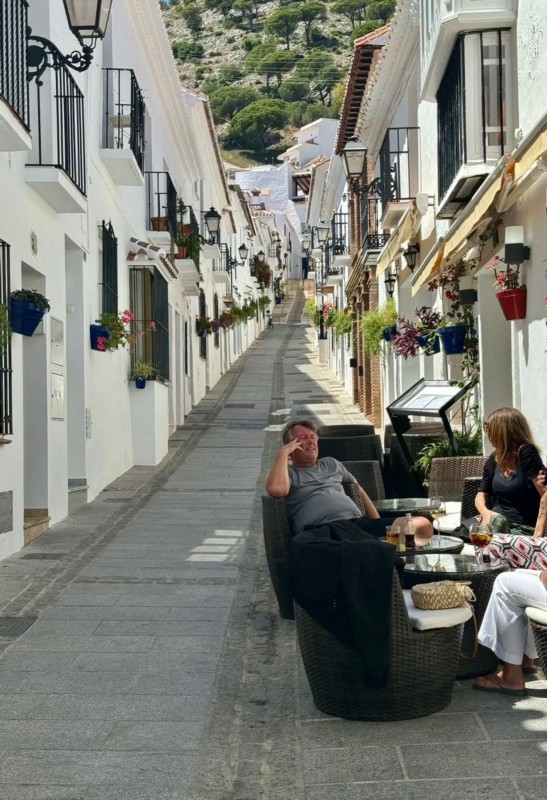
Traditional Tapas Bars: The Most Authentic Spanish Experience
Traditional tapas bars typically boast decades or even centuries of history, with wooden counters polished smooth by time and walls covered in bullfighting posters and football team emblems. The charm of these bars lies in their simple yet genuine atmosphere. Locals gather here around 6 PM, ordering a beer or wine paired with several tapas while discussing daily news and life’s small details.
The most popular tapas include Spanish ham, fried squid rings, potato tortilla, and various marinated olives. Prices are usually very affordable - a serving of tapas costs 2-4 euros, and a drink ranges from 1.5-3 euros. Remember, in these places the most important thing isn’t how refined the food is, but rather the relaxed and pleasant social atmosphere.
Modern Craft Beer Bars: The New Favorite of Young People
In recent years, many small towns have seen the emergence of modern bars focusing on craft beer and creative cocktails. These establishments are typically run by young bartenders passionate about their craft, eager to introduce customers to various local and international craft beers. The decor often features industrial or modern minimalist styles, with more diverse music selections.
| Bar Type | Price Range | Recommended Time | Features |
|---|
| Traditional Tapas Bars | 1.5-4€ | 6-9 PM | Authentic food, local socializing |
| Modern Craft Beer Bars | 4-8€ | After 9 PM | Creative cocktails, trendy atmosphere |
| Winery-Direct Bars | 2-6€ | Afternoon and evening | Local wines, professional tasting |
Bartenders at these modern establishments typically use local herbs, fruits, and spices to create unique cocktails. Examples include gin and tonics with rosemary, martinis made with sherry, or mojitos infused with orange blossom. While prices are relatively higher, the creativity and quality are absolutely worth it.
Winery-Direct Bars: Savoring Local Character
Many Spanish towns have their own wine regions, and local wineries often operate direct bars in town. These places are excellent venues for understanding local wine culture, where you can discover traditional seafood paella and wine pairings. Bar owners are usually the winery proprietors or their family members, who know their wines inside and out and are delighted to provide detailed introductions about each wine’s characteristics, vintage, and pairing suggestions.
Here, you can taste limited edition or experimental wines unavailable elsewhere. Wine accompaniments typically feature local ingredients like regional cheeses, olives, and nuts. This combination not only tastes exceptional but also reflects Spanish pride in local products.
How to Enjoy Bar Culture Like a Local
To truly integrate into Spanish bar culture, several tips are worth noting. First, don’t rush to order - observe what other customers are drinking and eating. Second, chatting with bartenders and other patrons is completely normal and even welcomed behavior. Finally, remember that Spanish dining times are quite late, and the real bar atmosphere typically doesn’t begin until after 8 PM.
Regardless of which type of bar you choose, remember that the most important thing is to relax and enjoy this unique social experience. Spanish town bars aren’t just places to taste great food and wine, but the best venues for experiencing local life rhythms and human warmth.
