Spanish Small Town Immigration Visa Policy Explained
Recently, I’ve noticed many forum members asking about Spanish small town immigration policies. As someone who has lived here for several years, I’d like to share some practical information. Spain’s small town immigration policies are relatively lenient, especially for EU citizens and applicants with solid financial foundations.
Main Visa Types Comparison
Currently, Spain offers several visa options for immigrants:
| Visa Type | Investment Threshold | Residence Requirement | Approval Period |
|---|
| Investment Residence | €500,000 property | 1 day per year | 3-6 months |
| Non-profit Residence | No investment required | 183 days per year | 2-4 months |
| Work Residence | Employer sponsorship | Long-term residence | 4-8 months |
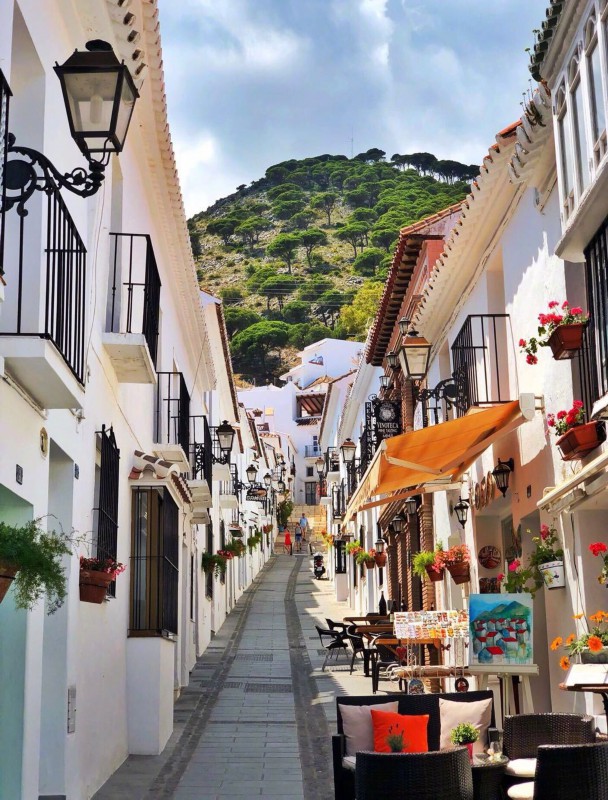
Small Town Living Cost Analysis
Compared to major cities like Madrid and Barcelona, living costs in Spanish small towns are significantly lower. Taking medium-sized towns in the Andalusia region as an example, monthly living expenses typically range from €800-1200, including housing, food, and basic expenses. For rent, a two-bedroom apartment costs approximately €400-600 per month, while similar properties in major cities might require Spanish small town living over €1000.
Small towns also offer excellent healthcare and education resources, with high-quality public hospital services and shorter waiting times for Spanish small town residence. For children’s education, public schools are free, and private school fees are about half of what you’d pay in major cities.
Application Process and Important Considerations
The Spanish residency application process is relatively standardized, but several key points require attention. First is the financial proof requirement - non-profit residence requires proof of monthly income not less than €2200, while investment residence needs complete documentation of fund sources. Second is language requirements - while not mandatory, basic Spanish communication skills greatly improve quality of life.
Regarding document preparation, all certificates must be authenticated and translated. Don’t assume English versions are sufficient - officially recognized Spanish translations are mandatory. I recommend starting material preparation 3-6 months in advance to avoid last-minute rushes.
Experience in Integrating with Local Communities
The biggest advantage of relocating to small towns is the strong community atmosphere and harmonious neighborly relationships. I recommend new immigrants actively participate in local festivals and community gatherings, which is the best way to quickly integrate into Spanish small town living costs. Spanish people are generally warm and friendly - as long as you show sincere interest in learning Spanish and understanding local culture, you’ll easily receive help and friendship.
Job opportunities in small towns are relatively limited, but the slower pace of life is perfect for remote workers or those with stable income sources. If you plan to start a business locally, opportunities in dining and tourism-related industries are more abundant, but thorough understanding of market conditions and relevant regulations is essential.
