Ávila Town Historical and Cultural Exploration Guide
I recently visited Ávila and was truly amazed by the historical depth of this small town. As a jewel of the Castile and León region, Ávila not only boasts Europe’s best-preserved medieval walls but also carries a thousand years of cultural heritage. Today I want to share with you the historical and cultural charm of this fascinating town.
The Legendary Story of Medieval Walls
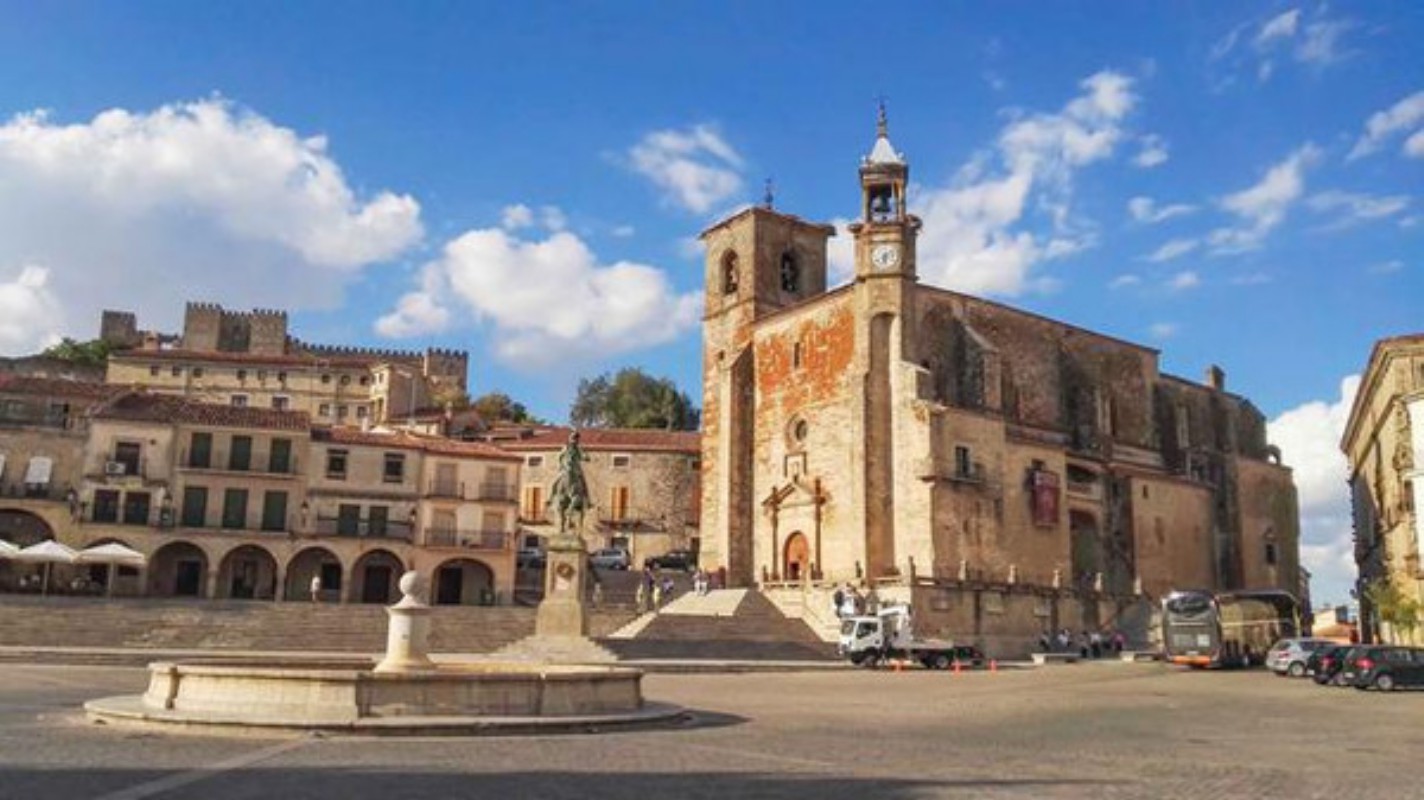
Ávila’s most famous feature is undoubtedly its complete medieval wall. This wall was built between the 11th and 14th centuries, stretching approximately 2.5 kilometers, standing 12 meters high, with 88 watchtowers and 9 gates. Walking along the walls, you can almost hear the echoes of medieval knights’ hoofbeats on the stone pathways. The walls are not just defensive fortifications, but symbols of the wisdom and resilient spirit of Ávila’s people. In 1985, UNESCO designated it as a World Cultural Heritage site, an honor truly well-deserved.
Saint Teresa’s Religious Legacy
When speaking of Ávila, one cannot ignore Saint Teresa. This 16th-century mystic and religious reformer was born here, and her thoughts and writings influenced the entire Catholic world. Saint Teresa’s Convent is a must-visit destination for pilgrims, where some of her relics are preserved. The Ávila Ancient City celebrates the grand Saint Teresa Festival every October 15th, featuring traditional dances, religious processions, and food markets throughout the entire town.
Overview of Ávila’s Main Historical Attractions:
| Attraction Name | Construction Period | Features |
|---|
| Ávila Walls | 11th-14th centuries | Europe’s most complete medieval walls |
| Ávila Cathedral | 12th century | Gothic architectural masterpiece |
| Saint Teresa’s Convent | 16th century | Birthplace of the saint |
| Royal Monastery of Saint Thomas | 15th century | Tomb of Catholic Monarchs |
Unique Architectural Art Style
Ávila’s architectural style blends Romanesque, Gothic, and Renaissance elements. The cathedral is a representative masterpiece, serving both as a church and fortress, with its unique dual-function design standing out in Spanish architectural history. The rose windows and altarpiece paintings inside the church are rare artistic treasures. Additionally, noble palaces such as Dávila Palace and Polentinos Palace showcase the lifestyle of medieval nobility.
Traditional Festivals and Folk Culture
Ávila’s festival culture is very rich. Besides Saint Teresa Festival, the summer Medieval Market is also quite distinctive. Residents dress in medieval costumes, recreating the market life of yesteryear. Modern hustle and bustle is completely left behind, replaced by handicraft stalls, traditional cuisine, and folk music. This immersive cultural experience allows visitors to truly feel Ávila’s historical depth.
Visiting Ávila, you’ll discover that the Ávila Ancient City Walls represent more than just a tourist city - it’s a living history textbook. Every stone and every gate tells stories of past glory. If you’re interested in Spanish history and culture, Ávila is definitely worth exploring in depth. For accommodation options, check out Ávila lodging in this historic ancient city.
