As a foreigner who has lived in Spain for many years, I have been deeply attracted by the rich and colorful festival culture here, including the profound Holy Week processions. Whenever festivals arrive, the entire town bursts with unprecedented vitality, with laughter and joy filling the streets and alleys. Today I want to share some Spanish town festival activities I have personally experienced.
Spring Festival Feast
Spring is the golden season for Spanish festivals. Las Fallas is undoubtedly one of the most representative activities, held annually in March in Valencia. Huge paper sculptures stand in the streets, finally turning to ash in blazing fires, symbolizing the end of the old year and the beginning of new life. I was deeply shocked by the spectacular scene when I first participated, with the all-night fireworks and music being unforgettable.
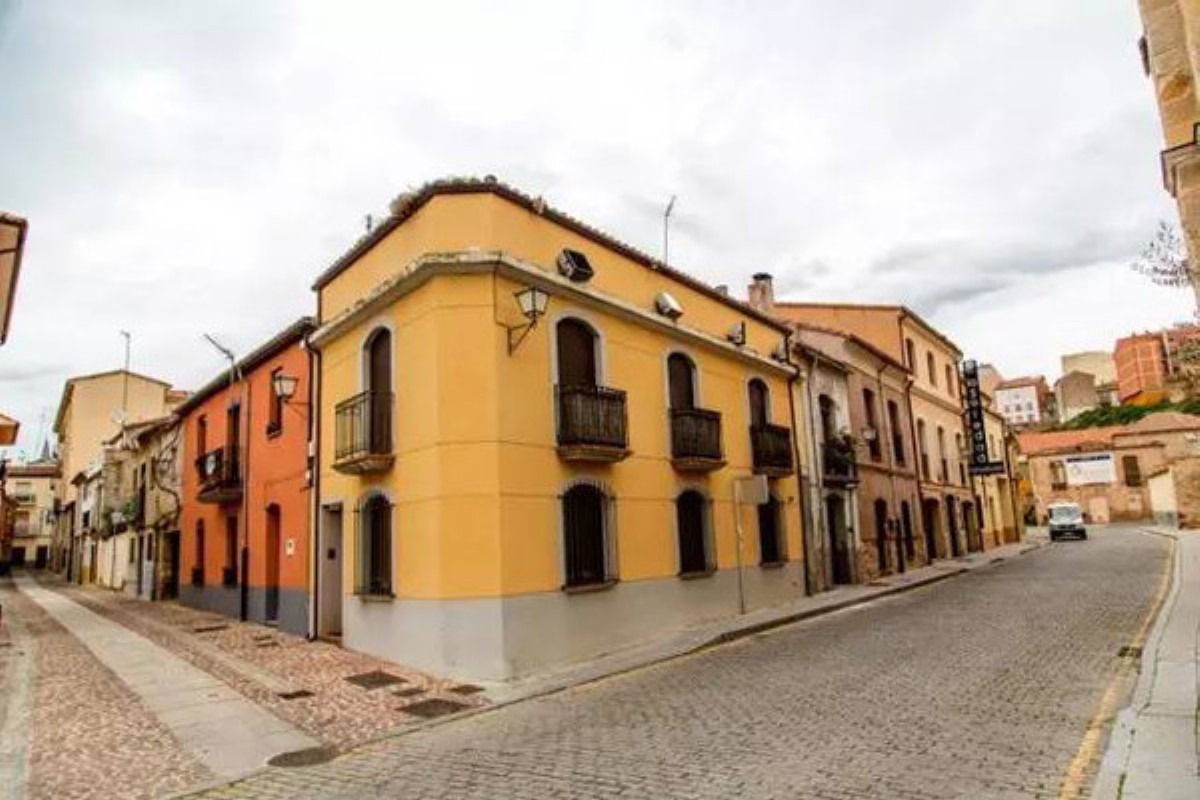
Another unmissable event is Seville’s April Fair, along with the famous La Tomatina festival. Colorful casetas spread throughout the venue, with people dancing in traditional costumes. The passionate flamenco perfectly combines with the mellow sherry wine, creating a unique festive atmosphere.
Summer Carnival Time
Spanish towns in summer are even more lively. The most famous is undoubtedly the Running of the Bulls in Pamplona. Although this activity involves certain dangers, it still attracts brave people from around the world to challenge themselves every year. When the six o’clock morning bell rings, bulls rush out of the pen, and the entire street instantly boils with excitement.
| Festival Name | Date | Main Activities |
|---|
| Running of the Bulls | July 6-14 | Bull running, bullfighting shows |
| La Tomatina | Last Wednesday in August | Tomato fight |
| San Fermín Festival | July 6-14 | Religious processions, concerts |
Honestly, I never had the courage to participate in bull running, but watching this traditional activity as a spectator is equally exciting, much like experiencing the Wine Festival. Buñol’s La Tomatina is a completely different experience, where thousands of people throw tomatoes at each other in the streets, turning the entire town into a red ocean.
Autumn and Winter Traditional Celebrations
As the weather turns cooler, Spanish festival activities do not decrease. October’s grape harvest festivals make wine town villages lively, with people stomping grapes and tasting wine, celebrating the year’s harvest. The Christmas season’s Three Kings Day is the moment children anticipate most, with the January 5th evening parade throwing candies to the watching crowds, spreading pure joy that infects everyone.
These festivals are not just entertainment activities, but important carriers of Spanish cultural heritage. Every time I participate, I can feel the locals’ respect for tradition and love for life. If you have the opportunity to come to Spain, don’t miss these unique cultural experiences - they will give you a deeper understanding of this country.
