I recently had the opportunity to visit the town of Trujillo in Cáceres province and was deeply moved by its profound historical heritage. This seemingly ordinary small town actually carries over 2000 years of historical changes from Roman times to the present, making it worthy of in-depth exploration for anyone interested in Spanish culture through Trujillo tourism.
The Glorious Origins of Roman Times
Trujillo’s history can be traced back to the 1st century BC, when Romans established a settlement called “Turgalium” here. Archaeological discoveries indicate that this Trujillo attractions was once a station on the important trade route connecting Mérida and Salamanca. In the town’s archaeological museum, visitors can admire exquisite Roman mosaics, stone carvings, and pottery fragments that vividly tell the story of prosperity during the ancient Roman period.
Architectural Heritage from the Moorish Rule Period
After the Moors conquered the Iberian Peninsula in the 8th century, Trujillo became an important military fortress. The castle now standing at the highest point of the town is a masterpiece from this period. This castle adopts typical Moorish architectural style, with thick stone walls and exquisite arch designs perfectly combining defensive functions with aesthetic value. From the castle’s observation deck, the entire Extremadura plain can be seen, making it easy to imagine the ambitions of the guards of yesteryear.
Legendary Stories of the Conquistador Era
Trujillo’s most famous historical period is undoubtedly the 16th-century conquistador era. This small town produced many important figures who changed American history, with Francisco Pizarro being the most famous. Some say this is just coincidence, but in reality, Trujillo’s unique geographical location and cultural environment nurtured generation after generation of brave explorers.
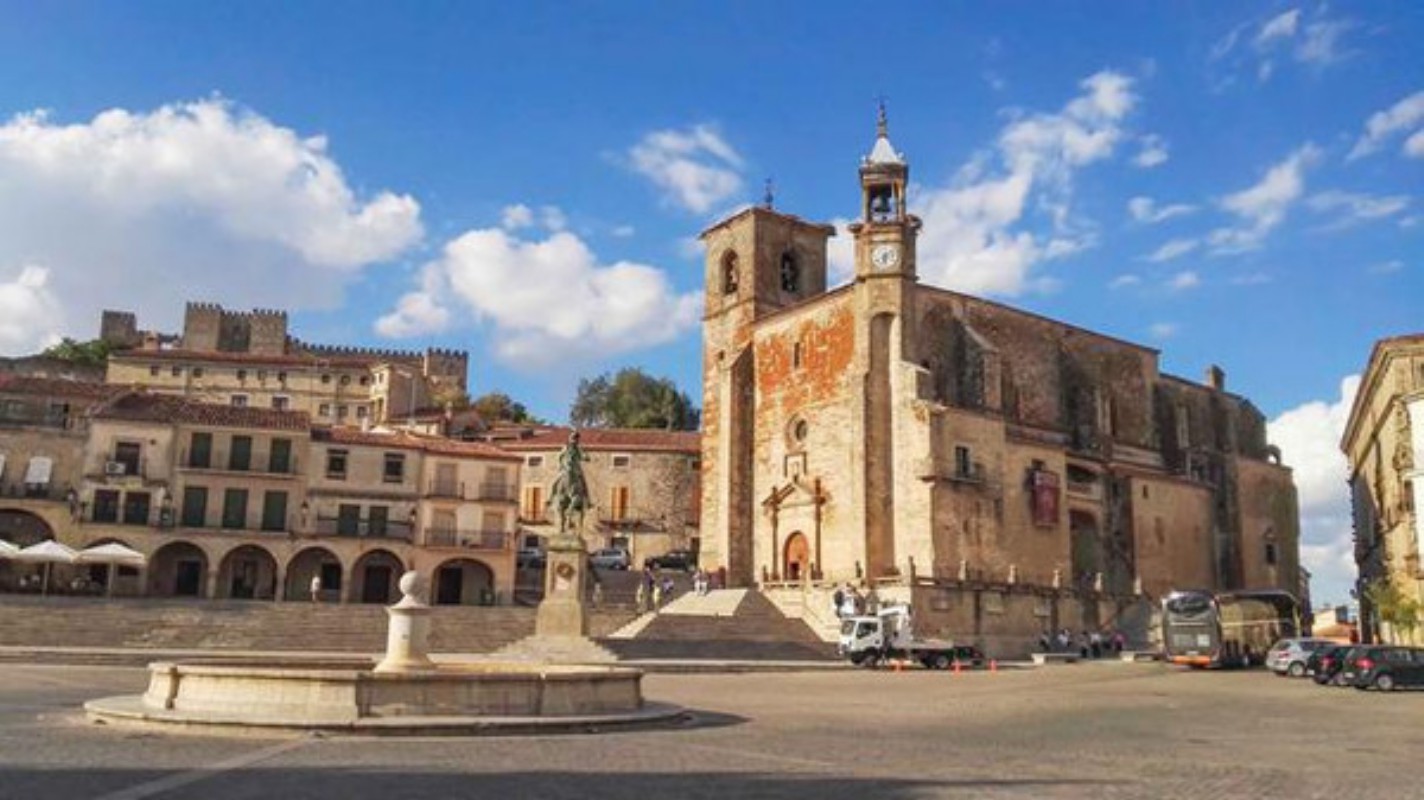
A bronze statue of Pizarro stands in the main square, and this legendary figure who conquered the Inca Empire remains a source of pride for the townspeople. The square is surrounded by 16th-century noble palaces, most of which were built by conquistadors using wealth brought back from the Americas.
Cultural Heritage and Modern Development
Modern Trujillo has done an excellent job in protecting its historical and cultural heritage. The town holds an annual Conquistador Festival, recreating historical scenes through theatrical performances, traditional music, and handicraft displays. Local cheese-making crafts have also been preserved to this day, particularly the famous Torta cheese, which is considered a culinary treasure of the Extremadura region.
| Historical Period | Main Characteristics | Important Relics |
|---|
| Roman Period | Trade Center | Archaeological Museum Artifacts |
| Moorish Rule | Military Fortress | Hilltop Castle |
| Conquistador Era | Explorer’s Homeland | Main Square Statue Group |
| Modern Times | Cultural Protection | Traditional Festival Activities |
Walking along the cobblestone streets of Trujillo, every step allows you to feel the weight of history. This is not only an excellent place to understand Spanish historical culture, but also an ideal choice for experiencing the charm of small-town life. For friends who love history and culture, exploring Trujillo cuisine and Trujillo itself should definitely be on your Spanish travel list.
