I just finished a week-long stay in Ontinyent, and this town located in the Valencia region truly left a lasting impression on me. As a history enthusiast, I can’t wait to share the story of this hidden treasure with everyone.
Ontinyent’s history dates back to the early medieval period, with initial settlements established around the 9th century. This place was originally an important waystation for pilgrims on their journey to Santiago de Compostela. The town still preserves that ancient cobblestone path, and it’s said that walking on it allows you to feel the footsteps of countless pilgrims over the millennia. Strolling on these cobblestones, you can almost hear the echoes of history.
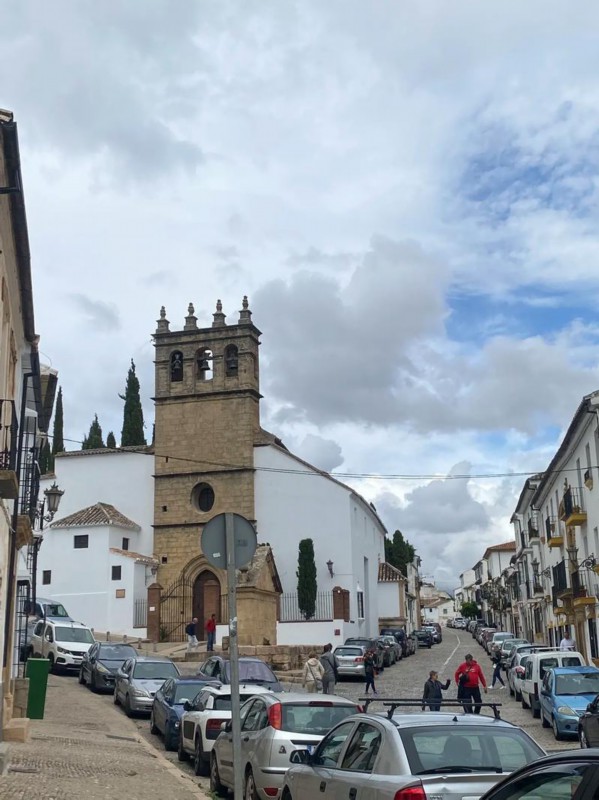
The Charm of Architectural Heritage
The town’s most striking building is undoubtedly the 12th-century Romanesque church. The church’s stone carving craftsmanship is exquisitely beautiful, with biblical stories carved on the tympanum still clearly visible today. These carvings are not only works of art but also authentic reflections of people’s spiritual world from that era. Inside the church, the stained glass windows cast dappled light and shadows on the floor when sunlight streams through, creating a sacred and tranquil atmosphere.
Besides the church, the town also houses several well-preserved noble residences. These buildings blend Romanesque, Gothic, and Renaissance architectural elements, forming Ontinyent’s unique architectural style. The most famous is the Castillo family mansion, which has now been converted into a small museum displaying the town’s historical artifacts.
| Building Name | Construction Period | Architectural Style | Current Status |
|---|
| Santa Maria Church | 12th century | Romanesque | Well preserved |
| Castillo Mansion | 15th century | Gothic | Converted to museum |
| Town Hall | 16th century | Renaissance | Still in use |
Traditional Festivals and Folk Culture
The annual San Lorenzo Festival held in August is Ontinyent’s grandest traditional celebration. During the festival, the entire town is decorated anew, residents dress in traditional costumes, and various folk activities take place. The most spectacular part is the traditional dance performances, where those ancient dance steps are said to have been passed down for hundreds of years, with each movement containing profound cultural significance.
Local handicrafts are also worth attention. Several master craftsmen in the town still persist in traditional pottery making, and their works are not only practical but also carry strong local characteristics. Unfortunately, fewer and fewer young people are learning these traditional crafts. However, I recently heard that the town government is promoting a traditional craft heritage project, hoping to attract more young people to participate.
Although Ontinyent is a small town, the weight of historical culture it carries should not be underestimated. Every stone and every building tells stories belonging to this land. For friends who enjoy exploring historical culture, this is definitely a destination not to be missed.
