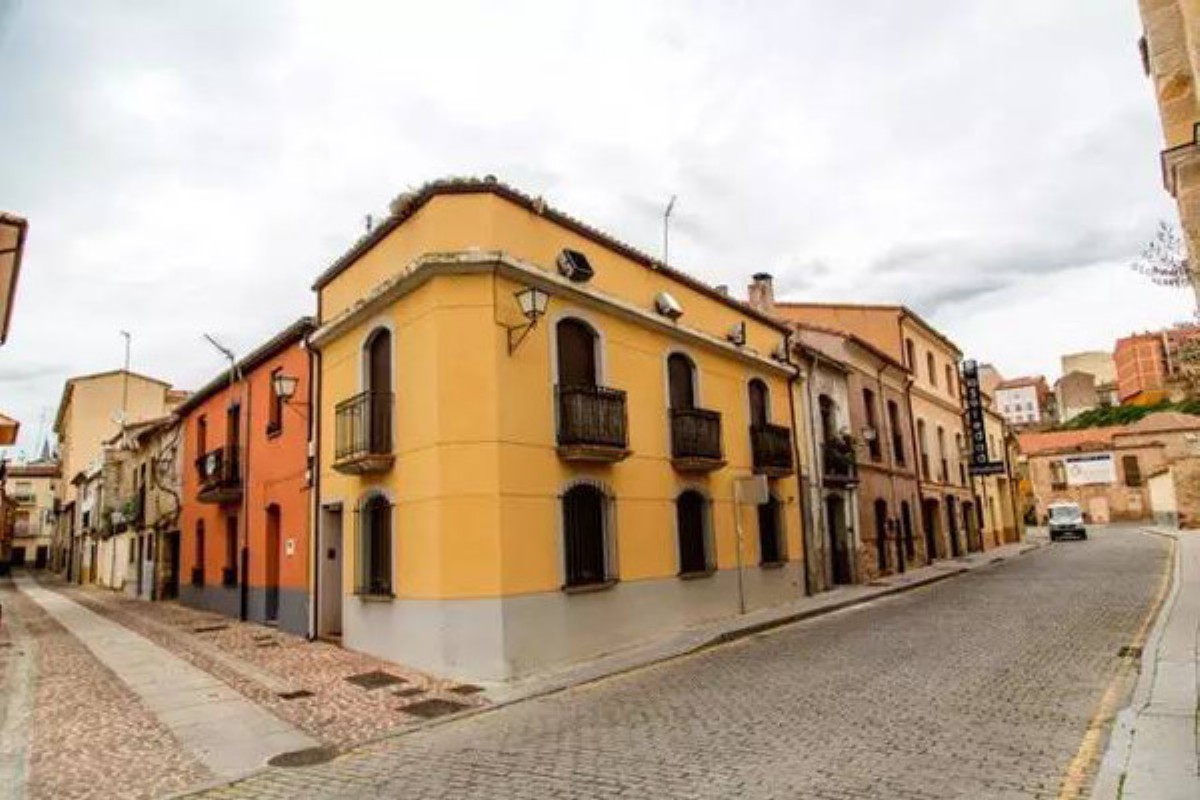
It’s been over half a year since I moved to this small town in the Basque region, and I’d like to share my real experiences during this time. As someone who previously worked in Madrid, this transition from big city to small town definitely required an adjustment period.
Housing and Living Costs
Rent in the small town is indeed much cheaper than in big cities. I’m currently renting a two-bedroom apartment for 600 euros per month, while the same conditions in Madrid would cost at least 1200 euros for Basque village tourism. However, options are relatively limited, and good properties get snapped up quickly. Daily goods prices are similar to big cities, but fresh local produce is very affordable.
| Item | Basque Village | Madrid |
|---|
| Two-bedroom monthly rent | 600€ | 1200€ |
| Monthly food expenses | 250€ | 320€ |
| Transportation costs | Basically free | 70€ |
| Restaurant dining | 15-25€ | 25-40€ |
Language Environment and Cultural Adaptation
The biggest challenge here is the language environment. Besides Spanish, many locals speak Basque, especially elderly residents. However, everyone is very patient and will slow down their speech when communicating with you. The town has a small language exchange meeting every Thursday evening at the library, which is very helpful for integration.
Local festival culture is very rich, with different traditional celebrations every month. The most impressive was the harvest festival, where the entire town participates - that kind of community cohesion is hard to experience in big cities. You can explore more about Basque village cuisine during these celebrations.
Work and Transportation
Remote work wasn’t common here, but the situation has improved since the pandemic. I now work as a freelancer, and the internet speed is completely adequate. If I need to go to Bilbao or San Sebastian, trains and buses are very convenient, taking about an hour to reach either city.
Social Life and Entertainment
The biggest characteristic of small town life is the slow pace. There are no nightclubs or large shopping centers here, but there are many hiking trails and natural landscapes. On weekends, I often go walking by the sea or in the mountains with neighbors - this simple joy is hard to find in cities.
The town has two nice tapas bars where the owners know every regular customer. After 8 PM, people habitually chat in the square while children play nearby. This lifestyle makes you feel like you’ve returned to Europe from decades ago. You can learn more about Basque festivals and their cultural significance.
Overall, if you’re tired of the fast pace of city life, a Basque village is definitely worth considering, but be mentally prepared to adapt to a completely different way of living.
