As a photography enthusiast who has lived in Gran Canaria towns for three years, I want to share some truly shutter-worthy locations with you. These towns not only boast unique geographical features but also preserve the rich traditional cultural atmosphere of the Canary Islands.
Tejeda: White Village Above the Clouds
Tejeda is absolutely my top recommendation. This town at 1,050 meters altitude is considered one of Spain’s most beautiful villages, especially on winter mornings when sea clouds surround the valley, making the entire village appear to float above the clouds. The best shooting time is one hour after sunrise, when golden sunlight bathes the white-walled, red-tiled houses, creating those warm tones that truly captivate the soul.
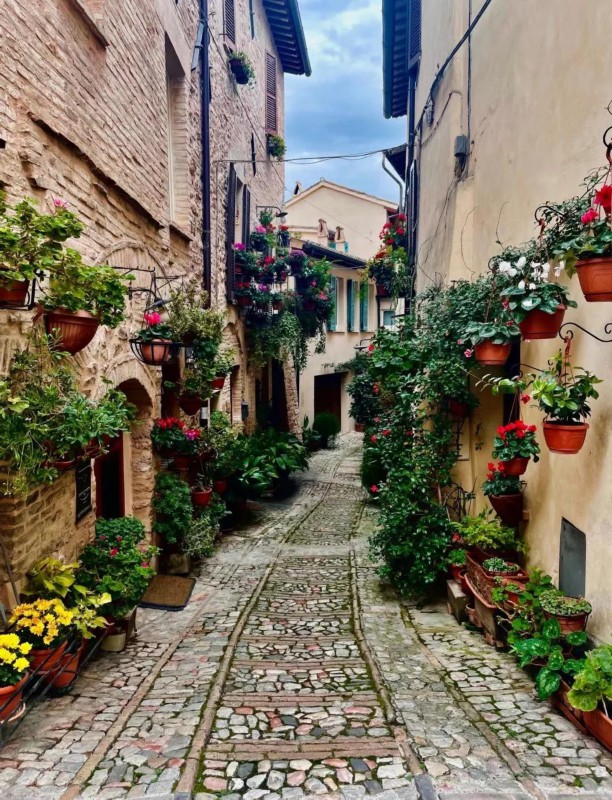
I recommend bringing a telephoto lens to effectively compress the sense of distance between foreground and background. Shooting panoramas from the viewpoint is a classic position, but don’t overlook the details in the narrow streets - those vine-covered stone walls and wooden balconies are equally spectacular.
Artenara: Living Fossil of Cave Culture
Artenara is Europe’s highest village, and what makes it unique here is that many houses are built into natural caves. For friends who enjoy documentary photography, this place is truly a treasure trove. The villagers still maintain traditional ways of life, allowing you to capture authentic daily life scenes.
Afternoon from 4-6 PM is the optimal shooting time, avoid choosing midday when the light is too harsh. I especially recommend photographing the cave church - this small church built inside a cave creates mysterious light and shadow effects.
Photography Paradise in Volcanic Landscapes
| Town Name | Best Shooting Time | Recommended Lens | Featured Scenery |
|---|
| San Bartolomé | Dusk | Wide-angle + Telephoto | Volcanic cones and cacti |
| Santa Lucía | Morning 8-10 AM | Standard zoom | Traditional architecture |
| Puerto de Mogán | All day | Fisheye lens | Colorful houses |
The volcanic landscape around San Bartolomé makes you feel like you’re on an alien planet. The photography focus here is contrast - reddish-brown volcanic soil paired with green cacti, plus white windmills in the distance, creating very rich layers. Remember to bring a polarizing filter to effectively reduce reflections and enhance color saturation.
Practical Shooting Tips
Shooting in Gran Canaria requires attention to several issues: first is the wind - this area experiences constant trade winds, so tripods must be stable; second, light changes rapidly, especially in mountainous areas where cloud movement causes dramatic brightness variations, requiring constant parameter adjustments.
My personal experience suggests bringing spare batteries, as high-altitude areas drain power faster. Also, respect locals’ privacy - when photographing people, it’s best to ask permission first. The residents of these towns are very friendly, and if you know a bit of Spanish, they’re usually happy to chat with you and might even tell you about some hidden shooting spots. For those interested in Gran Canaria beaches or looking for Gran Canaria accommodation, these towns offer excellent bases for exploration.
