The Unique Charm of Spanish Matador Piano Music
As a music enthusiast who has lived in Spain for many years, I have always been deeply attracted by the rich musical culture here. Particularly those piano works with matador themes, they not only showcase the passionate nature of Spanish people but also embody the profound artistic heritage of this country. Today I want to share some insights and experiences about Spanish matador piano music.
Analysis of Classic Works
When it comes to matador-themed piano pieces, the most famous are undoubtedly Albéniz’s “Iberia” suite and Granados’s “Spanish Dances.” These works skillfully combine flamenco rhythms with classical piano techniques, creating a unique musical language. Whenever I hear these pieces in Madrid’s concert halls, I can always feel that profound impact from deep within.
Musical Characteristics and Performance Techniques
Spanish matador piano music has distinctive features. First is the complexity of rhythm, frequently using irregular accents and syncopation to mimic the steps of flamenco dance. Second is the richness of harmony, extensively using augmented fourth intervals and minor key colors to create a mysterious yet passionate atmosphere. Performing such works requires extremely strong technical control and emotional expression abilities.
| Composer | Representative Work | Performance Difficulty |
|---|
| Albéniz | “Iberia” | Extremely High |
| Granados | “Spanish Dances” | Medium-High |
| Falla | “Ritual Fire Dance” | High |
Cultural Background and Historical Origins
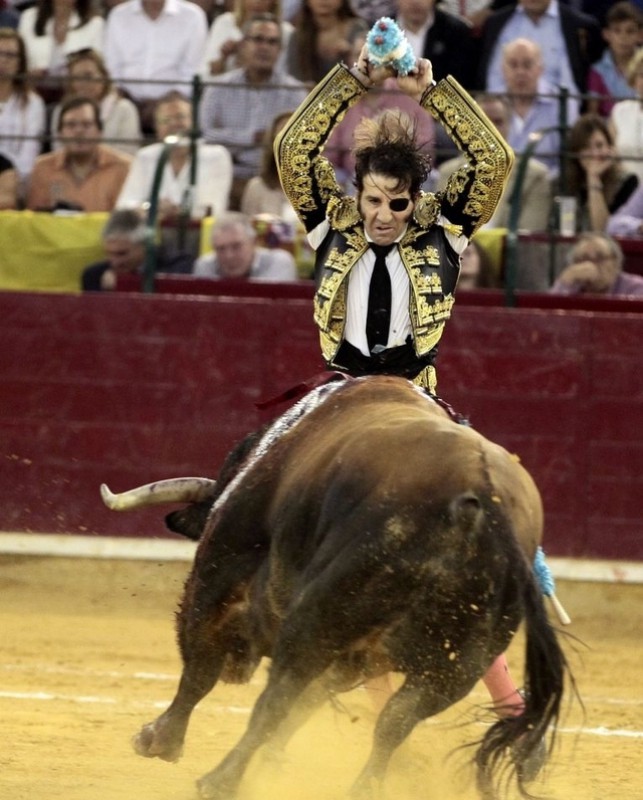
These musical works are deeply rooted in Spanish cultural soil. Bullfighting, as a traditional cultural symbol of Spain, is not merely a sport but an art form. Composers interpret through music the tension of life-and-death struggles in the bullring and the spirit of heroism. In the Andalusia region, this musical tradition is particularly profound, where local musicians have passed down this unique artistic expression through generations.
Modern Performance and Heritage
Today in Spain’s major music conservatories, matador-themed piano works remain important teaching content. Many young pianists are reinterpreting these classic works with modern performance concepts. While traditional performance methods remain important, the new generation of musicians is also exploring more diversified expression methods, allowing these works to maintain their original charm while resonating with contemporary audiences.
As a music enthusiast, I recommend starting with Granados’s “Spanish Dance No. 5” when approaching such works. It is relatively easy to understand yet full of typical characteristics of Spanish music. Whether as a performer or listener, this passionate music can bring us unique artistic enjoyment.
