As a music enthusiast who has lived in Spain for many years, I have always been deeply captivated by the unique bullfighter songs here. These melodies filled with passion and power are not merely music, but an important component of Spanish culture, including the distinctive bullfighter trumpet performances that accompany them.
Historical Origins of Bullfighter Songs
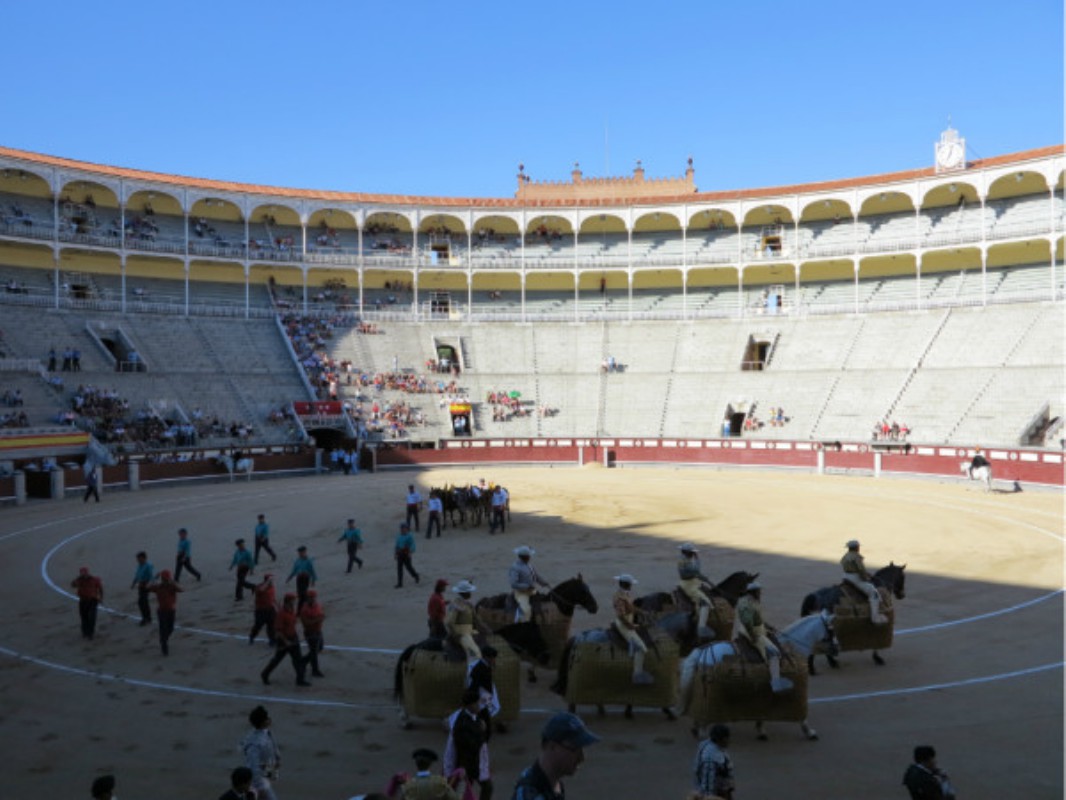
Spanish bullfighter songs can be traced back to the 18th century, originally created to accompany bullfighting performances. These songs typically feature strong rhythms and passionate melodies, perfectly interpreting the courage and determination of bullfighters when facing danger. The famous “Toreador Song” is among the representative works, still echoing in major bullrings today.
Analysis of Classic Repertoire
Among the numerous bullfighter songs, several are considered classics. The Toreador Song from Bizet’s opera “Carmen,” although composed by a French composer, perfectly captures the essence of Spanish bullfighting culture. Meanwhile, authentic Spanish native works like “The Brave Bullfighter” and “Hero of the Arena” showcase the original passion of the Iberian Peninsula even more authentically.
| Song Title | Creation Period | Characteristics |
|---|
| Toreador Song | 1875 | Strong rhythm, magnificent momentum |
| The Brave Bullfighter | 1920 | Beautiful melody, rich emotion |
| Hero of the Arena | 1935 | Traditional flamenco style |
Musical Characteristics and Performance Forms
Bullfighter songs typically employ ¾ or 4/4 time signatures, accompanied by traditional instruments such as guitar, castanets, and hand drums. The lyrics often describe the heroic deeds of bullfighters, their fearlessness toward death, and their pursuit of honor, enhanced by bullfighter accompaniment music. The singing style is bold and passionate, reflecting the enthusiastic and unrestrained character of the Spanish people.
Modern Heritage and Development
Although modern Spanish society has controversies regarding bullfighting, bullfighter songs continue to be well-preserved as cultural heritage. Many contemporary singers combine traditional bullfighter songs with modern musical elements, creating new works that maintain traditional charm while meeting modern aesthetic standards. Some regions have even included these songs in their intangible cultural heritage protection lists.
For friends interested in understanding Spanish culture, I highly recommend listening to these passionate bullfighter songs, including studying the bullfighter trumpet sheet music. They will not only allow you to experience the unique charm of Spanish music but also help you deeply understand the profound historical and cultural heritage of this country.
