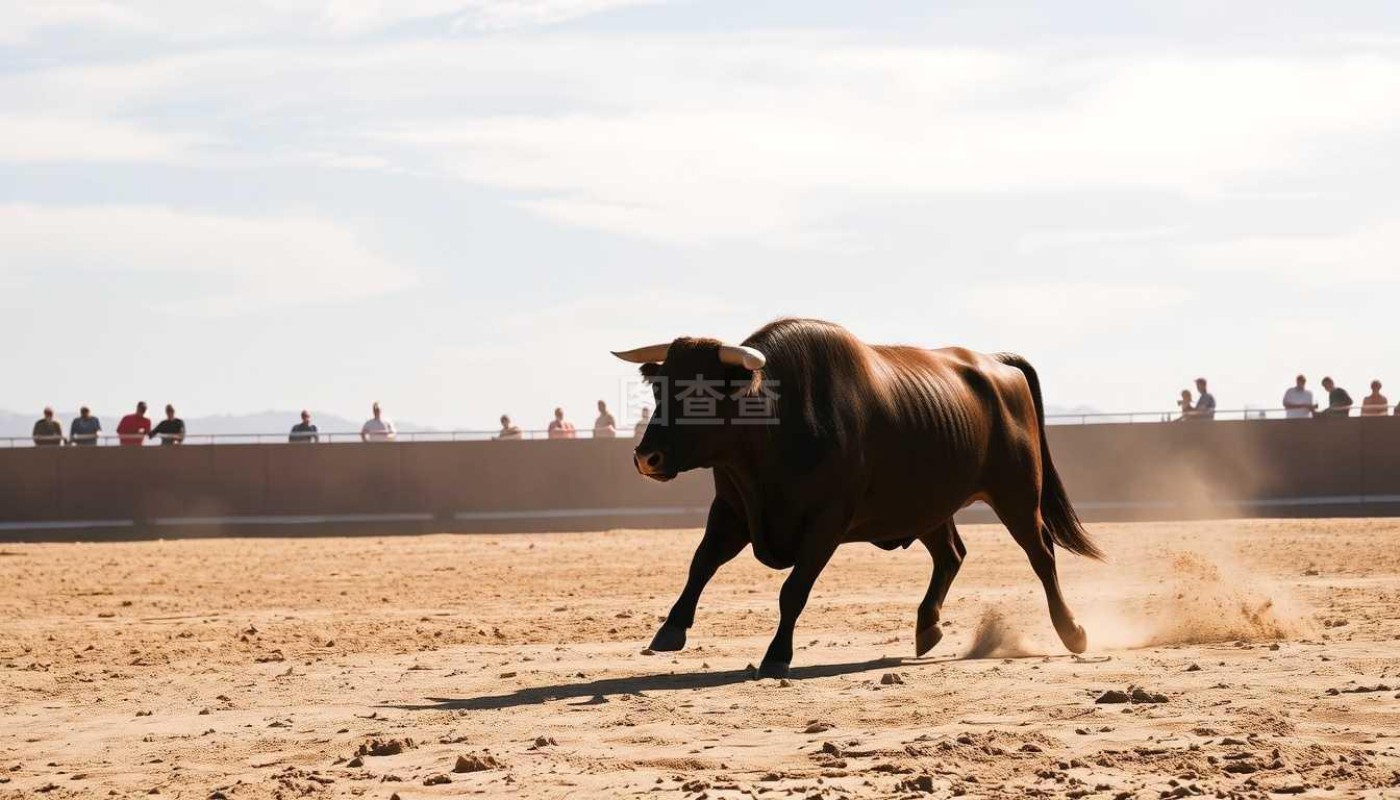
As a piano enthusiast who has lived in Spain for many years, I have always been deeply attracted by the rich musical culture here. Particularly those bullfighting dances full of passion and power - when they flow across piano keys, they seem to convey the thrilling tension of the bullring and the passionate spirit of the Spanish people.
Characteristics of Bullfighting Dance Piano Performance
Spanish bullfighting dances have a unique charm when performed on piano. These works typically feature strong rhythms and clear melodic lines, requiring performers to have solid technical foundations. The key is mastering dynamic variations, from gentle pianissimo to thunderous fortissimo - every note must be full of expression. During performance, the left hand accompaniment often mimics guitar strumming effects, while the right hand showcases the passionate and beautiful main melody.
Classic Repertoire Recommendations
For those interested in learning bullfighting dance piano, I recommend several beginner-level classic works. Albéniz’s “Suite Española” is absolutely essential, with “Sevilla” and “Asturias” being excellent piano versions. Additionally, though more challenging, Granados’s “Spanish Dances” are worth attempting, especially No. 5 “Andaluza” with its beautifully moving melody. For simple sheet music, these provide excellent starting points.
| Composer | Representative Works | Difficulty Level |
|---|
| Albéniz | Suite Española | Intermediate |
| Granados | Spanish Dances | Advanced |
| Falla | Nights in the Gardens of Spain | Professional |
Essential Performance Techniques
While practicing these works, I’ve discovered several crucial technical points. First is pedal usage - Spanish music requires rich tonal layers, and proper sustain pedal use creates fuller sound effects. Second is ornament handling - many bullfighting dances contain numerous ornaments, and precise execution of these details directly affects overall expressiveness.
Finally, performing Spanish bullfighting dances isn’t merely technical display - it’s crucial to understand the cultural significance behind them. Only by truly feeling Spain’s passion and vitality can one authentically interpret these works’ essence on the keys. I hope more piano enthusiasts will try these charming Spanish pieces and experience different musical cultures through practice. For those seeking dance sheet music, these works offer an excellent gateway into Spanish musical tradition.
