As a guitar enthusiast who has lived in Spain for many years, I’d like to share some insights about performing the classic piece ‘Spanish Matador’. This piece is not only technically demanding but, more importantly, showcases the unique charm of Spanish music.
Basic Technical Preparation
Before starting practice, we need to master some fundamental performance techniques. Right-hand plucking technique is crucial, especially the use of tremolo and arpeggios. Left-hand fretting pressure should be moderate - ensuring clear notes without excessive tension. I recommend at least 30 minutes of daily basic practice, including scales and chord transitions.
Musical Structure Analysis
‘Spanish Matador’ is typically divided into several main sections, each with different emotional expressions. The opening introduction requires a solemn and mysterious feeling, while the fast section should showcase the matador’s courage and passion. Here are the tempo suggestions for each section:
| Section | Suggested Tempo | Emotional Expression |
|---|
| Introduction | 60-70 BPM | Mysterious and solemn |
| Theme A | 80-90 BPM | Elegant and lyrical |
| Allegro | 120-140 BPM | Passionate and intense |
| Coda | 70-80 BPM | Lingering and reflective |
Performance Points and Challenges
The main difficulties of this piece lie in the rapid arpeggio passages and complex chord transitions. Many beginners tend to get stuck here, so my advice is to practice slowly first, ensuring each note is clear and accurate, then gradually increase the tempo. It’s particularly important to maintain musical layering when performing intense passages.
The Importance of Emotional Expression
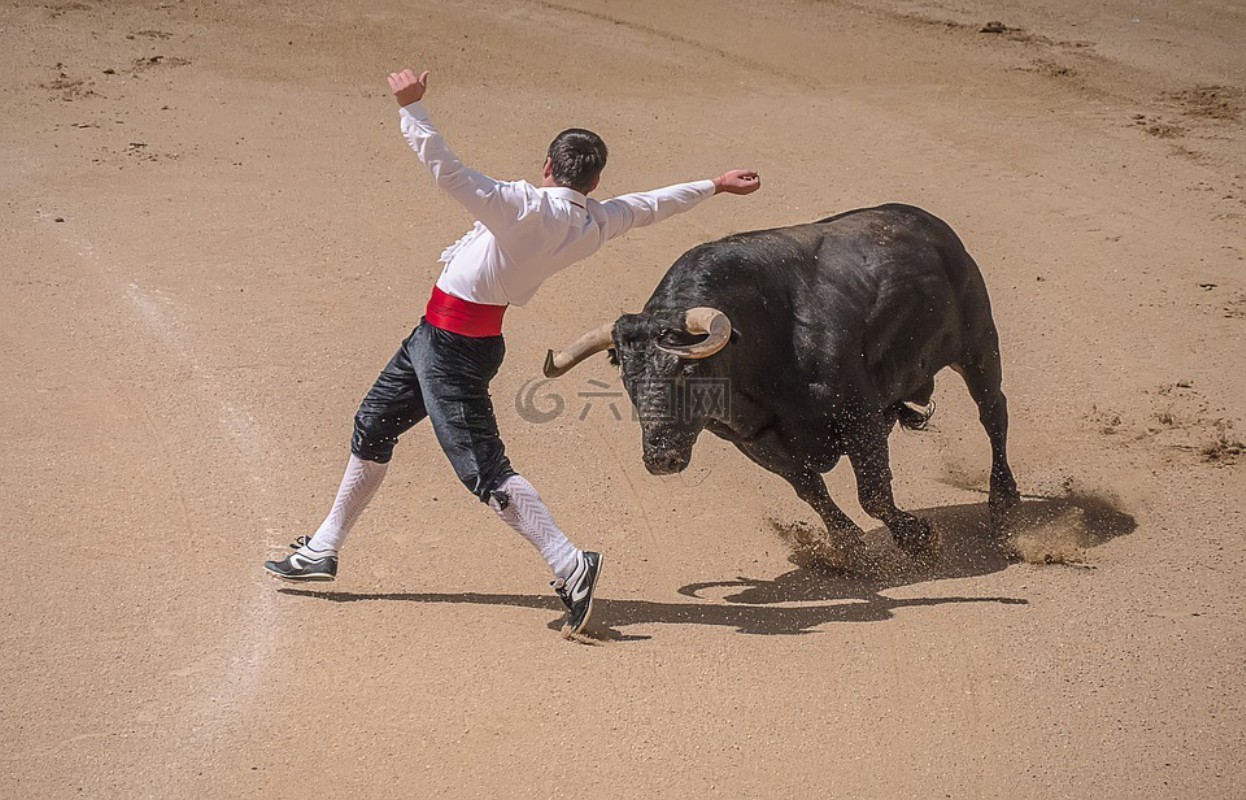
While technique is important, ‘Spanish Matador’ requires more emotional investment. This piece depicts the tense atmosphere of the bullring and the heroic image of the matador. When performing, imagine yourself in the bullring of Seville, feeling that blood-boiling atmosphere. Only by truly understanding this cultural background can you perform music that genuinely moves the heart.
I hope these experiences can help friends who are learning this piece. If you have any questions or want to exchange performance insights, please feel free to leave comments below for discussion!
