Spanish Matador Guitar Tablature Sharing
Recently I’ve been practicing this classic Spanish Matador piece and wanted to share the tablature and some performance insights with everyone. This piece is filled with Spanish passion and fervor, making it a classic repertoire that many guitar enthusiasts aspire to master.
Basic Information and Difficulty Analysis
The Spanish Matador piece falls into the intermediate difficulty category, primarily testing tremolo techniques with the right hand and rapid position changes with the left hand. For those with a solid foundation, mastering it through dedicated practice with matador guitar solo is entirely achievable. The piece uses standard tuning, 4/4 time signature, with a tempo around 120-140 BPM.
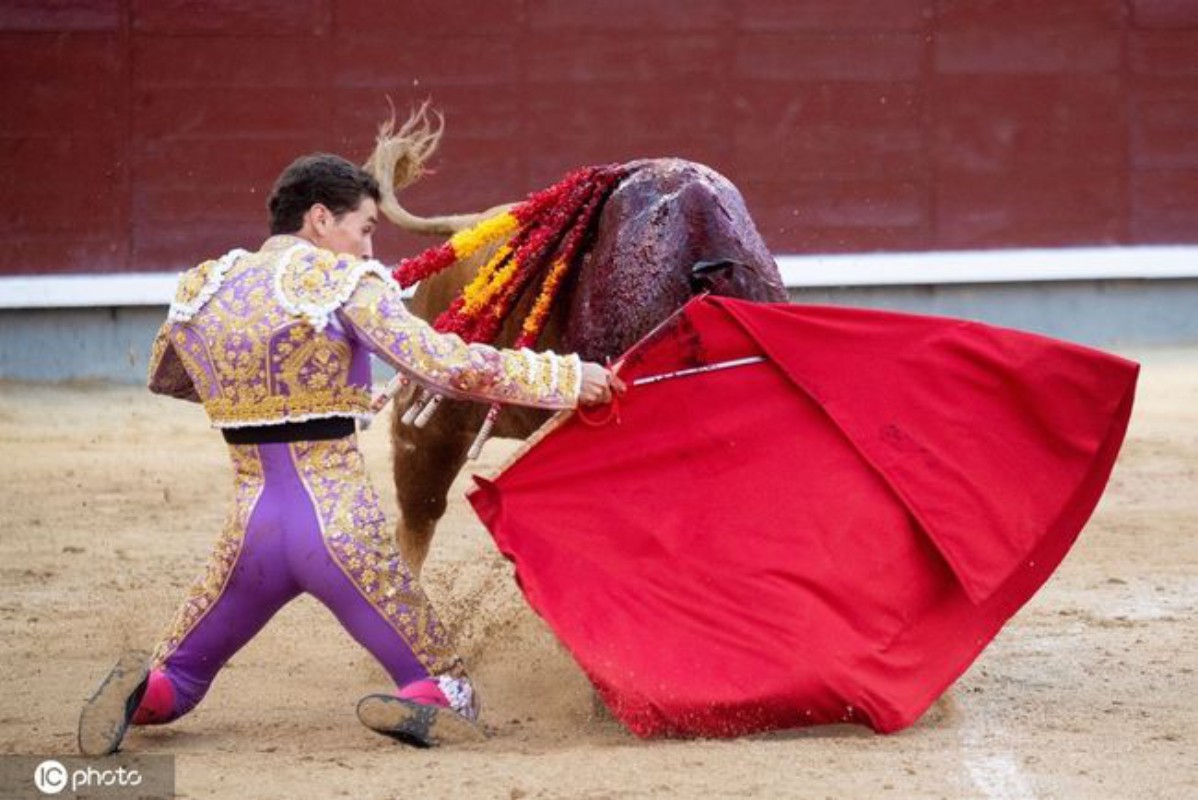
Key Points in Tablature Analysis for [Spanish Matador]
The core of this piece lies in several key technical applications. First is the tremolo section at the beginning, which requires tremolo technique. Beginners should start with slow practice and gradually increase speed. Second is the rapid scale runs in the middle section, where [matador guitar] requires attention to proper left-hand fingering arrangement.
| Measures | Main Technique | Practice Points |
|---|
| 1-8 measures | Tremolo | Right hand p-i-m-a cycle |
| 9-16 measures | Chord arpeggios | Left hand fretting must be stable |
| 17-24 measures | Scale runs | Focus on fingering continuity |
| 25-32 measures | High position playing | Accurate left hand position shifts |
Performance Technique Sharing
During practice, I discovered several particularly important key points. The tremolo section must ensure clarity of each note, avoiding muddy sounds. I recommend everyone start with slow practice, ensuring each finger can produce independent sounds. The right hand’s string contact angle is also crucial - maintaining consistency is key to achieving uniform tone.
When shifting positions with the left hand, pay attention to maintaining stable hand shape, don’t let urgency in position changes affect intonation. Especially when playing in high positions, adjust the left thumb position properly to provide adequate support for finger fretting.
Practice Recommendations and Summary
For those wanting to learn this piece, I recommend sectional practice - don’t rush for quick results. You can isolate each technical challenge for individual practice, then integrate them once proficient. Additionally, listening to professional recordings helps greatly in understanding the piece’s emotional expression.
This Spanish Matador is truly an excellent practice piece that both improves technique and allows you to experience the charm of Spanish music. I hope my sharing helps everyone, and welcome experienced friends to exchange performance insights together!
