As a dance enthusiast who has lived in Spain for many years, I want to share some insights about Spanish matador dance. This passionate and powerful dance art truly allows one to feel the deep cultural heritage of the Andalusian region.
Historical Origins of Matador Dance
Matador dance originated in 18th century Andalusia, initially as a way for bullfighters to showcase their skills outside the bullring. This dance combines the passion of flamenco, the elegance of classical ballet, and the simplicity of folk dance, creating a unique artistic style. Dancers imitate the scenes of bullfighters battling bulls through [matador dance], demonstrating the perfect combination of courage, elegance, and skill. The Spanish bullfighting dance represents a perfect fusion of passion and technique.
Analysis of Basic Movement Techniques
Learning matador dance requires mastering several core movements. First is the basic stance, with feet together, body upright, and arms naturally hanging down. Next is cape work, which is the essence of the entire dance. Dancers need to use their arms to mimic the bullfighter’s cape-waving movements, with actions that must be fluid yet powerful.
| Movement Name | Difficulty Level | Practice Time |
|---|
| Basic Steps | Beginner | 2-3 weeks |
| Cape Waving | Intermediate | 4-6 weeks |
| Spinning Techniques | Advanced | 2-3 months |
| Complete Routine | Professional | 6+ months |
Importance of Costumes and Props
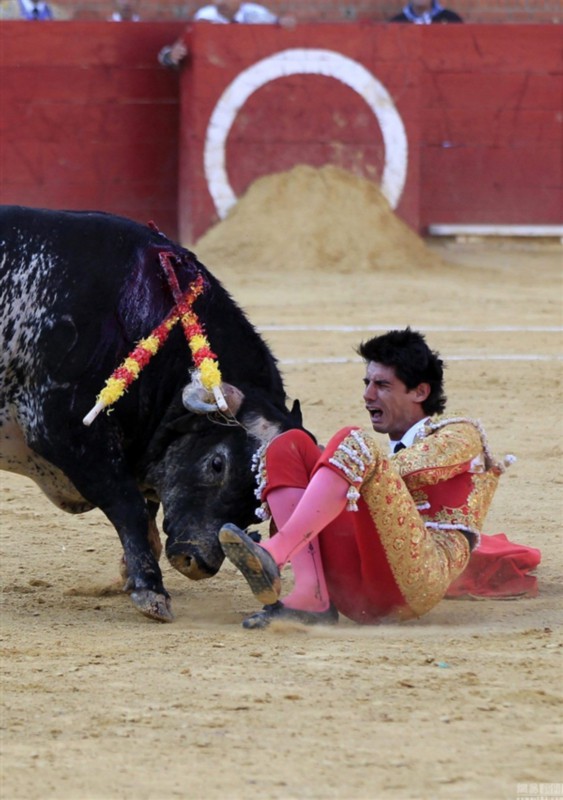
Authentic matador dance cannot be separated from traditional costume coordination. Male dancers typically wear tight-fitting matador outfits, including ornately decorated jackets, tight pants, and short boots. Female dancers wear traditional flamenco dresses, with skirts large enough to create beautiful spinning movements. The red cape is an essential prop that not only adds visual effect but is also the core element of the entire dance performance.
Learning Suggestions and Precautions
For beginners, I recommend starting with basic flamenco steps. Don’t rush for quick results; each movement should be practiced repeatedly until mastered. Madrid and Seville have many professional dance schools that can provide systematic instruction. Additionally, watching professional performances is also a good way to improve dance skills, allowing you to learn authentic performance techniques and stage presence.
This dance is not merely a display of technique, but an interpretation of Spanish cultural spirit. Through learning matador dance, we can gain a deeper understanding of this country’s historical traditions and artistic pursuits. I hope more friends will join this charming artistic world.
