The Charm and Heritage of Spanish Bullfighting Guitar Music
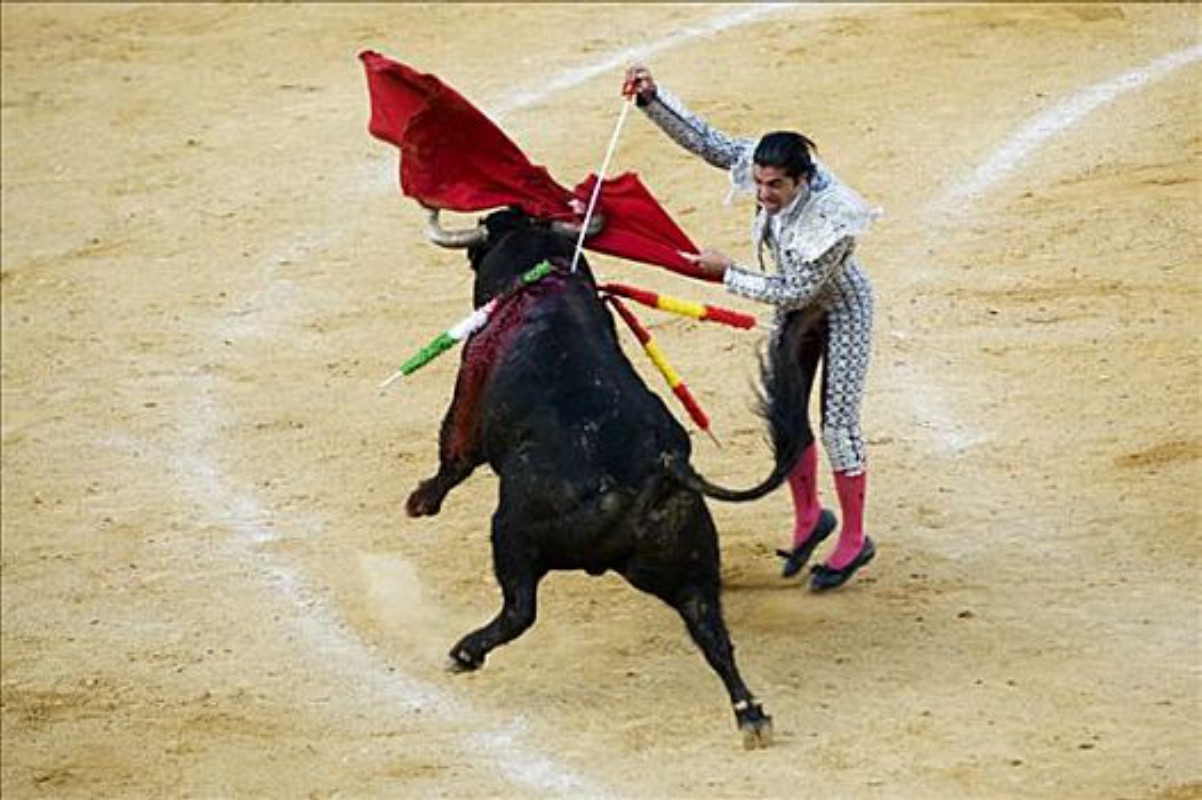
As a music enthusiast who has lived in Spain for many years, I have always been deeply captivated by the unique bullfighting guitar music here. This musical form is not merely simple background music, but an artistic treasure that carries Spain’s profound cultural heritage. Whenever I hear those stirring melodies, I can almost feel the tense atmosphere of the bullring and the brave spirit of the matador guitar solo. The [Spanish bullfighter] tradition comes alive through these powerful compositions.
Historical Origins and Development
The history of Spanish bullfighting guitar music can be traced back to the 18th century, when composers began incorporating elements of this traditional activity into their musical compositions. The most famous work is undoubtedly the Toreador Song from Bizet’s “Carmen”, and although Bizet was a French composer, he perfectly captured the essence of Spanish bullfighting culture. Over time, more and more Spanish native composers began creating dedicated bullfighting-themed guitar pieces.
These musical works typically feature distinctive rhythms and dramatic elements that vividly depict various scenes from the bullring. From the matador’s entrance to the final duel, every moment can find its corresponding expression in the music. Musicians employ various techniques such as rapid arpeggios, strong accents, and sudden pauses to simulate the tension and excitement of the bullfighting process.
Analysis of Classic Works
Among the numerous bullfighting guitar pieces, several works are particularly worth recommending. Here is a brief introduction to some classic compositions:
| Work Title | Composer | Year of Creation | Characteristics |
|---|
| Concierto de Aranjuez | Rodrigo | 1939 | Beautiful and lyrical, technically exquisite |
| Spanish Dance No. 5 | Granados | 1890 | Distinctive rhythm, full of passion |
| Torero March | Marquina | 1914 | Majestic and powerful, imposing |
These works not only demand extremely high technical skills, but more importantly, they convey the passionate, bold, and fearless spirit found in Spanish culture. Each piece is like telling a story about honor, courage, and tradition.
Performance Techniques and Characteristics
Performing bullfighting guitar music requires mastering various special techniques. Simple playing is far from sufficient - performers must be able to use tremolo, glissando, percussion, and other techniques to create the atmosphere of the bullring. Particularly when expressing the matador’s cape movements, guitarists often use rapid ascending and descending scales combined with intense rhythmic changes.
This type of music places high demands on the performer’s emotional expression abilities. Not only must they have solid technical foundations, but they must also understand and convey the essence of Spanish culture. Many excellent guitarists specifically study bullfighting culture to better interpret these works.
Modern Heritage and Development
Today, although traditional bullfighting activities face some controversy in Spain, bullfighting guitar music as an art form continues to flourish. Modern composers, while maintaining traditional characteristics, are also experimenting with incorporating new elements. Some young guitarists have begun combining electronic music, jazz, and other modern elements with traditional bullfighting themes, creating entirely new musical styles.
In Spain’s major music academies and cultural centers, the teaching and promotion of [bullfighter guitar] music continues. Every year, numerous concerts and competitions specifically showcase this musical form, attracting music enthusiasts from around the world to come and learn and appreciate it. This heritage not only maintains the vitality of Spanish musical culture but also adds unique colors to the world’s musical treasury.
