As a friend who has lived in Spain for many years and regularly follows bullfighting competition broadcasts, I want to share detailed information about Spanish bullfighting competition rules. Many people only have a superficial understanding of bullfighting competitions, but this traditional art actually has a very strict and comprehensive rule system.
Basic Structure of Bullfighting Competitions
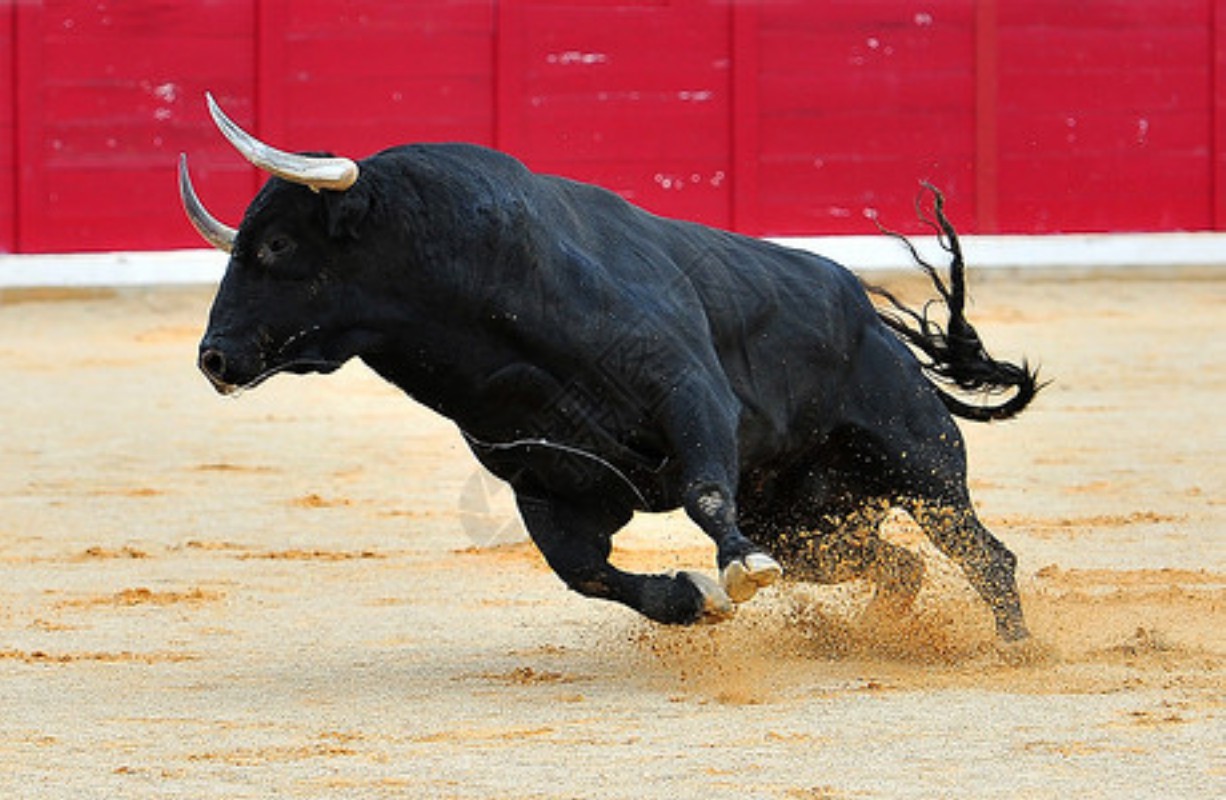
A complete bullfighting competition is typically divided into three main stages, each with specific rules and requirements. The first stage is the cape stage, where the matador uses a large cape to guide the bull and demonstrate basic techniques. The second stage is the lance stage, where mounted lancers weaken the bull’s strength. Finally comes the sword stage, which is the climax of the entire competition.
Matador Classification System
Matadors are classified into different levels based on experience and skill level. Apprentice matadors typically handle smaller bulls, while professional matadors face adult bulls. Each level has strict promotion requirements and evaluation standards.
| Level | Bull Weight | Match Duration |
|---|
| Apprentice Matador | 300-400kg | 15 minutes |
| Professional Matador | 450-600kg | 20 minutes |
| Senior Matador | 500-700kg | 25 minutes |
Competition Scoring Standards
Bullfighting competition scoring is very strict, primarily considering the matador’s technical level, artistic performance, and display of courage. Judges award points based on the quality of each movement’s execution, ultimately deciding whether to grant the matador honors such as bull ears or tail. Audience reaction is also an important judging factor, with enthusiastic applause and waving white handkerchiefs representing approval.
Modern bullfighting competitions increasingly emphasize safety regulations. Bullrings must be equipped with professional medical teams, and matadors must wear protective equipment that meets standards. The past practice of completely disregarding safety has been replaced by modern safety measures, allowing this traditional art to be better preserved and passed down.
