As a music enthusiast who has lived in Spain for many years, I have always been amazed by the profound musical culture here. Today I want to share some insights about Spanish bullfighting dance songs, hoping to help more friends understand bullfighting songs, this unique art form.
Classic Bullfighting Dance Song Recommendations
When it comes to bullfighting dance songs, several classic works must be mentioned. “España Cañí” is hailed as one of the most famous bullfighting dance pieces, with its passionate rhythm perfectly interpreting the courage and passion of matadors. Additionally, “El Gato Montés” is another unmissable classic that is almost universally known in Spain. There’s also “La Virgen de la Macarena,” which, although originally religious music, has been widely used in bullfighting performances.
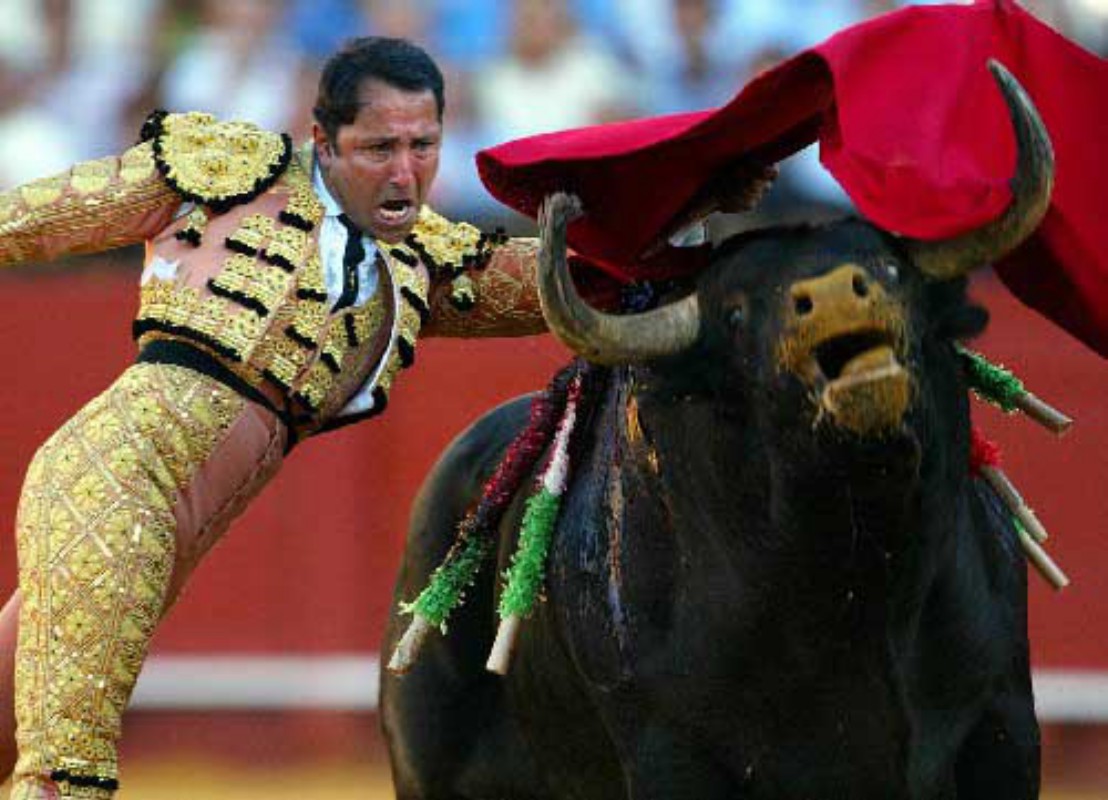
Musical Characteristics and Rhythm Analysis
Bullfighting dance songs typically employ 2/4 or ¾ time signatures, with bright and tension-filled rhythms. These pieces often feature brass instruments as the lead, combined with percussion to create an exciting and thrilling atmosphere. The addition of flamenco guitar adds rich Andalusian flavor to the music. It’s worth noting that authentic bullfighting dance music differs from common social dance music, with the former focusing more on emotional expression and dramatic conflict.
| Song Title | Composer | Characteristics |
|---|
| España Cañí | Pascual Marquina | Passionate rhythm, most representative |
| El Gato Montés | Manuel Penella | Beautiful melody, widely popular |
| La Virgen de la Macarena | Traditional folk song | Religious elements, solemn and dignified |
Cultural Background and Historical Origins
The development of bullfighting dance songs is inseparable from Spain’s bullfighting culture. These pieces were initially created to accompany bullfighting performances and gradually evolved into independent art forms. Many people mistakenly believe all Spanish music is flamenco, but bullfighting dance music has its own unique stylistic characteristics. It combines Andalusian folk music, Arabic musical elements, and classical music techniques, forming a uniquely charming artistic expression.
In modern Spanish society, although bullfighting as a sport remains controversial, bullfighting dance songs as cultural heritage continue to receive widespread respect and preservation. Many music academies offer related courses, training new generations of performers and composers. These pieces are not only popular in Spain but are also promoted in Spanish cultural centers and concert halls worldwide, serving as an important window for understanding Spanish culture.
