The Charm and Tradition of Spanish Bullfighting Dance Music
As a music enthusiast who has lived in Spain for many years, I have always been deeply attracted by the rich musical traditions here. Among them, bullfighting dance music stands as one of Spain’s most representative musical forms, carrying profound historical and cultural heritage. Today I want to share some insights about this unique musical art form.
Musical Characteristics of Bullfighting Dance Music
Spanish bullfighting dance music typically employs a ¾ time signature, with melodies that are passionate and dramatically rich. The most famous representative works of this musical form include the Toreador Song from Bizet’s “Carmen” and piano works by Albéniz. The music frequently uses abundant ornaments and trills, creating a tense and exciting atmosphere that perfectly matches the intense scenes in the bullring.
Historical Background and Cultural Significance
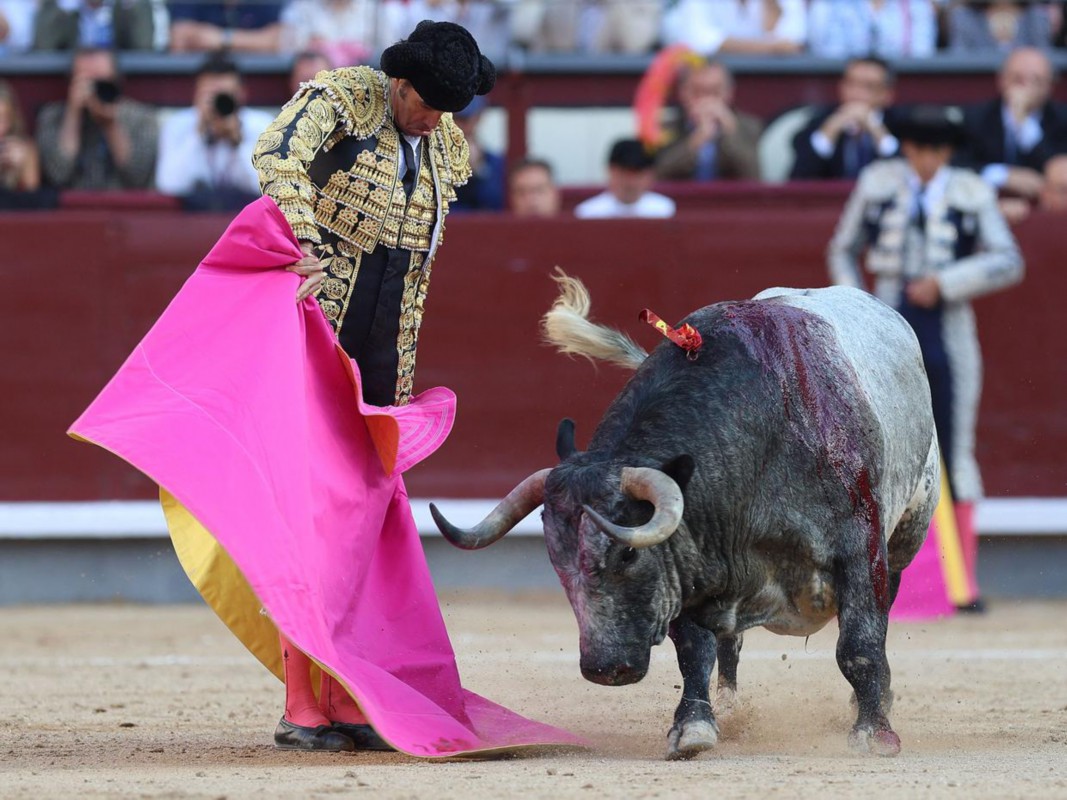
The development of bullfighting dance music is inseparably linked to Spain’s bullfighting tradition. This musical form originated in the 18th century, initially created to accompany bullfighting performances. Over time, it gradually developed into an independent art form, not only performed in bullrings but also becoming a regular feature in concert halls and opera houses. This music embodies the passionate and fearless national character of the Spanish people.
Modern Heritage and Development
In contemporary Spain, bullfighting dance music still maintains strong vitality. Many modern composers incorporate these traditional elements into their creations, producing new works that maintain traditional characteristics while possessing a modern sensibility. Here is a comparison of some famous bullfighting dance music works:
| Work Title | Composer | Creation Period | Characteristics |
|---|
| Toreador Song | Bizet | 1875 | Classic opera excerpt |
| Spanish Dance | Albéniz | 1890s | Piano solo masterpiece |
| Bullfighter’s March | Márquez | 1920s | Orchestral work |
Learning and Appreciation Suggestions
For those who want to deeply understand bullfighting dance music, I recommend starting with appreciating classic works. You can begin by listening to Bizet’s complete “Carmen” to feel its musical charm. At the same time, don’t overlook the impact of live performances - if you have the opportunity to watch traditional flamenco performances in Spain, you’ll discover that elements of bullfighting dance music can be found everywhere within them. For those interested in exploring this further, check out this bullfighter music video for classic retrospectives and cultural analysis.
Personal Reflections
After years of contact and study, I deeply feel that bullfighting dance music is not merely a musical form, but an embodiment of Spanish cultural spirit. Its passionate and surging melodies and rhythms seem capable of awakening the courage and passion deep within people’s hearts. Whether listening in a concert hall or accidentally hearing it on street corners, this music always allows one to feel the unique charm of this Spanish land.
