Complete Guide to Spanish Bullfighting Championships and Spectacular Moments
As a bullfighting enthusiast who has lived in Spain for many years, I want to share the authentic experience of watching complete bullfighting championships. Spanish bullfighting is not just a sport, but an important component of this country’s profound cultural tradition. From Madrid’s Las Ventas bullring to Seville’s Royal Cavalry bullring, every match is filled with the perfect combination of passion and artistry.
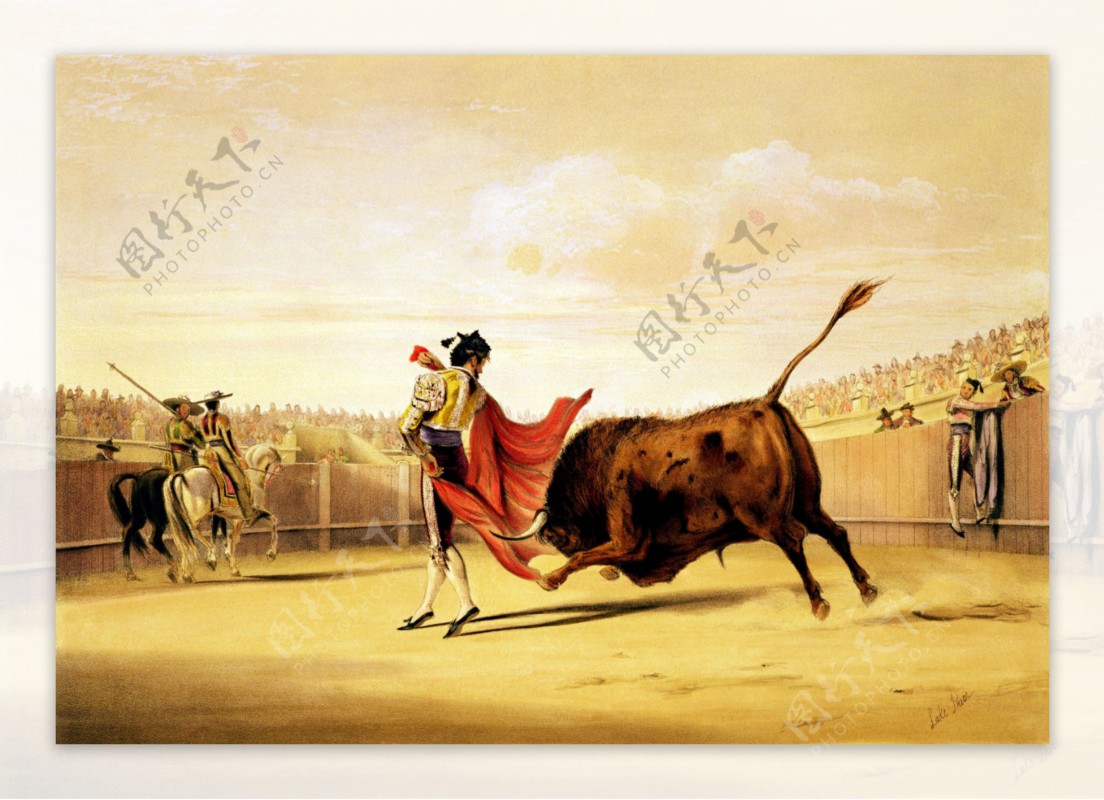
Complete Process of Bullfighting Championships
A complete bullfighting championship typically includes three main stages, each with its unique ceremonial sense and technical requirements. The first stage is the picador phase, where the matador uses lances to test the bull’s strength and reactions. The second stage is the banderilla phase, where assistants insert decorative banderillas into the bull’s back. The final stage is the most spectacular cape phase, where the main matador engages in the ultimate confrontation with the bull. The entire process lasts approximately 20 minutes, but every minute is filled with intense and thrilling atmosphere.
| Stage | Duration | Main Activity |
|---|
| Picador Phase | 5-7 minutes | Testing bull’s strength |
| Banderilla Phase | 3-5 minutes | Inserting decorative banderillas |
| Cape Phase | 8-12 minutes | Matador’s final confrontation |
Viewing Experience and Cultural Significance
The feeling of watching matches in the bullring cannot be fully conveyed through television broadcasts. The shouts of live audiences, the elegant movements of matadors, and the powerful physique of bulls together create a moving picture. Some people consider bullfighting too cruel, but for Spaniards, this is an art form that embodies the struggle between humans and nature, courage and skill. Whenever a matador completes a perfect move, the entire audience rises to applaud, and that震撼 is indescribable.
Famous Matadors and Classic Moments
Among the many matches I’ve watched, the most unforgettable was José Tomás’s performance in Madrid last year. Each of his movements was as elegant as dance, with seamless coordination with the bull. Especially the final fatal sword thrust, precise and decisive, earning five minutes of applause from the entire audience. Such moments make one deeply understand why bullfighting is called “ballet of the brave.”
Practical Viewing Suggestions
For friends watching bullfighting matches for the first time, I recommend choosing afternoon sessions as the lighting is more suitable for viewing. When purchasing tickets, try to choose seats in shaded areas, though slightly more expensive, the viewing experience is better. Remember to bring sunglasses and a hat, as Spanish sunlight can be quite intense. Additionally, loud noise is prohibited during matches as a sign of respect for matadors and tradition. If you’re sensitive to bloody scenes, I suggest preparing mentally in advance or choosing to watch more skill-focused exhibition matches that feature Spanish bullfighting dance techniques.
