Recently I’ve been practicing trumpet performance and have become particularly fascinated with Spanish bullfighting music, these passionate musical works. This musical form not only demands high technical skills but also showcases the unique charm of Spanish culture. I’d like to share some performance insights and classic repertoire recommendations with everyone.
Musical Characteristics of Spanish Bullfighting Music
Spanish bullfighting music typically features distinctive rhythmic patterns and strong dramatic elements. The music incorporates traditional Spanish dance elements such as flamenco and paso doble, with melodic lines that are both beautiful and tension-filled. The trumpet, as the lead instrument, needs to demonstrate both powerful and delicate tonal variations, which poses significant challenges to performers’ technical skills and musical comprehension.
When performing these works, breath control becomes particularly important. Due to frequent long notes and rapid scales in the repertoire, maintaining steady airflow support is essential. Additionally, the use of ornaments and glissandos is key to expressing Spanish character.
Classic Repertoire Recommendations
Here are several Spanish bullfighting pieces suitable for trumpet solo, organized by difficulty level:
| Piece Title | Composer | Difficulty Level | Performance Duration |
|---|
| Spanish Toreador | Bizet | Intermediate | 3-4 minutes |
| Aragonese Jota | Mascia | Advanced | 5-6 minutes |
| Carmen Fantasy | Sarasate arrangement | Professional | 8-10 minutes |
| Spanish Capriccio | Rimsky-Korsakov | Intermediate-Advanced | 6-7 minutes |
Each of these works has its own characteristics. Beginners are recommended to start with Bizet’s “Spanish Toreador,” which has relatively simple melodies but is full of flavor.
Performance Technique Points
When practicing Spanish bullfighting music, special attention should be paid to several aspects. First is rhythmic accuracy - Spanish music has relatively complex beat changes that require metronome-assisted practice. Second is tonal variation, requiring the ability to express different emotions from gentle lyricism to passionate boldness.
Handling ornaments is also crucial - they shouldn’t be too mechanical but should blend into the melodic lines. I recommend listening to authentic Spanish music recordings to develop a feel for this musical style. Additionally, stage presence shouldn’t be overlooked, as body language and facial expressions during performance can enhance the music’s emotional impact.
Cultural Background Understanding
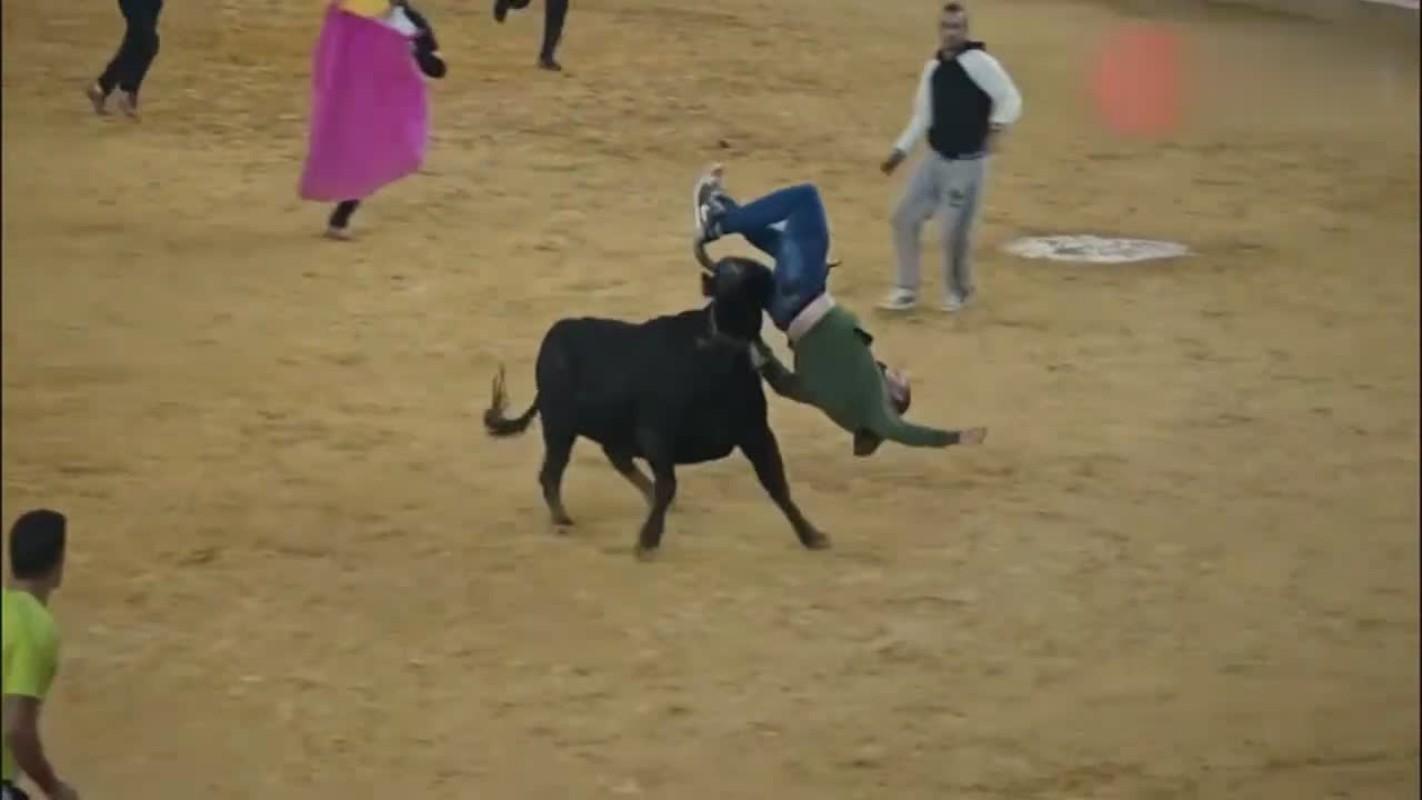
To perform Spanish bullfighting music well, understanding its cultural background is essential. You can explore detailed bullfighting music trumpet scores and bullfighter trumpet sheet music to better grasp the technical aspects. Bullfighting has a long history in Spain, and musical works often depict the intense and exciting scenes in the bullring. The strong contrasts in the music reflect the struggle between the matador and the bull, featuring both the heroic courage of fearlessness and the tension when facing danger.
Understanding these cultural connotations helps performers better interpret the emotional content of the works, allowing audiences to experience the unique charm of Spanish culture. I recommend watching some bullfighting performance videos when possible to directly experience the appeal of this art form.
