Recently, I discovered a very interesting instrument in a traditional handicraft shop in Madrid—the matador ocarina. This uniquely shaped ocarina is not only visually stunning but also carries deep Spanish cultural significance.
Historical Origins of the Matador Ocarina
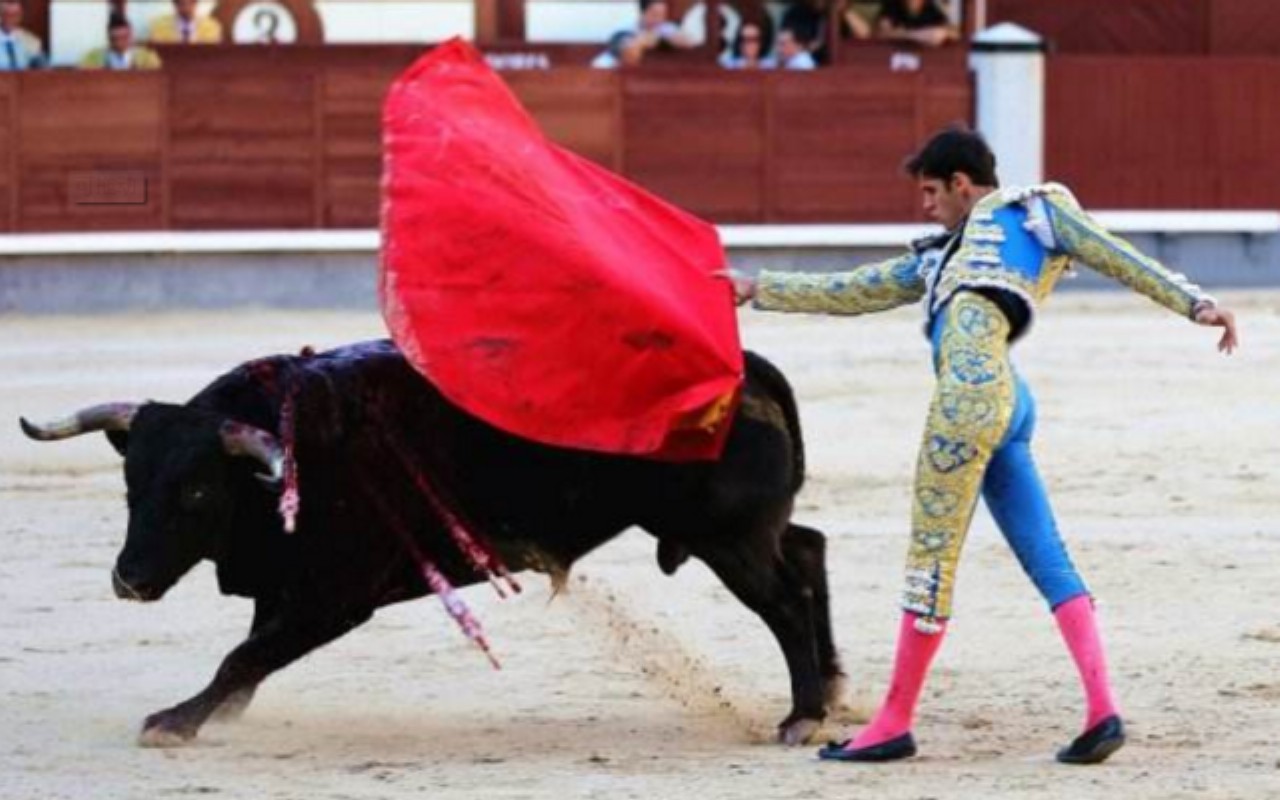
The matador ocarina originated in the Andalusia region, initially created by local pottery artisans to commemorate brave matadors. These ocarinas are typically made from red clay and shaped to mimic the classic matador silhouette, including elements like the wide-brimmed hat, tight-fitting jacket, and cape. According to local master craftsmen, early matador ocarinas were primarily used during festival celebrations and gradually developed into a unique folk instrument.
Craftsmanship and Characteristics
The traditional craftsmanship of matador ocarinas is quite intricate. Artisans first select high-quality red clay, which undergoes repeated kneading and shaping to form the basic matador silhouette. Then, finger holes are carefully carved at appropriate positions, usually 6-8 holes, allowing for the performance of complete scales. The most crucial step is the tuning process, requiring repeated testing and fine-tuning to ensure each hole produces accurate pitch.
| Size Type | Number of Holes | Range | Suitable For |
|---|
| Small | 6 holes | 1 octave | Beginners |
| Medium | 8 holes | 1.5 octaves | Intermediate players |
| Large | 10 holes | 2 octaves | Professional performers |
Performance Techniques and Tonal Characteristics
The playing technique for matador ocarinas is similar to regular ocarinas, but due to their unique shape, the grip requires slight adjustment. When playing, hold the ocarina’s waist with both hands, gently press the finger holes with fingertips, and control volume and tone by varying breath intensity through matador song ocarina techniques. This ocarina produces a warm yet penetrating tone, particularly suitable for performing Spanish traditional folk songs and flamenco music.
On the streets of Seville, you can often hear street performers playing “Spanish Matador March” on matador ocarinas, with those passionate and rhythmic melodies perfectly embodying the Spanish spirit of enthusiasm and courage. While the learning difficulty isn’t too high, achieving authentic Spanish flair requires deep understanding of local culture.
For those interested in purchasing or learning the matador ocarina, I recommend choosing products made by experienced local craftsmen, which not only guarantee sound quality but also provide an authentic Spanish cultural experience. Whether as a collectible or performance instrument, the matador ocarina serves as an excellent medium for understanding Spanish traditional culture.
