Classic Spanish Bullfighting Music Appreciation Guide
As a music enthusiast who has lived in Spain for many years, I want to share some insights about Spanish bullfighting music with you. These passionate musical works are not just background music for the bullring, but an important part of Spanish culture.
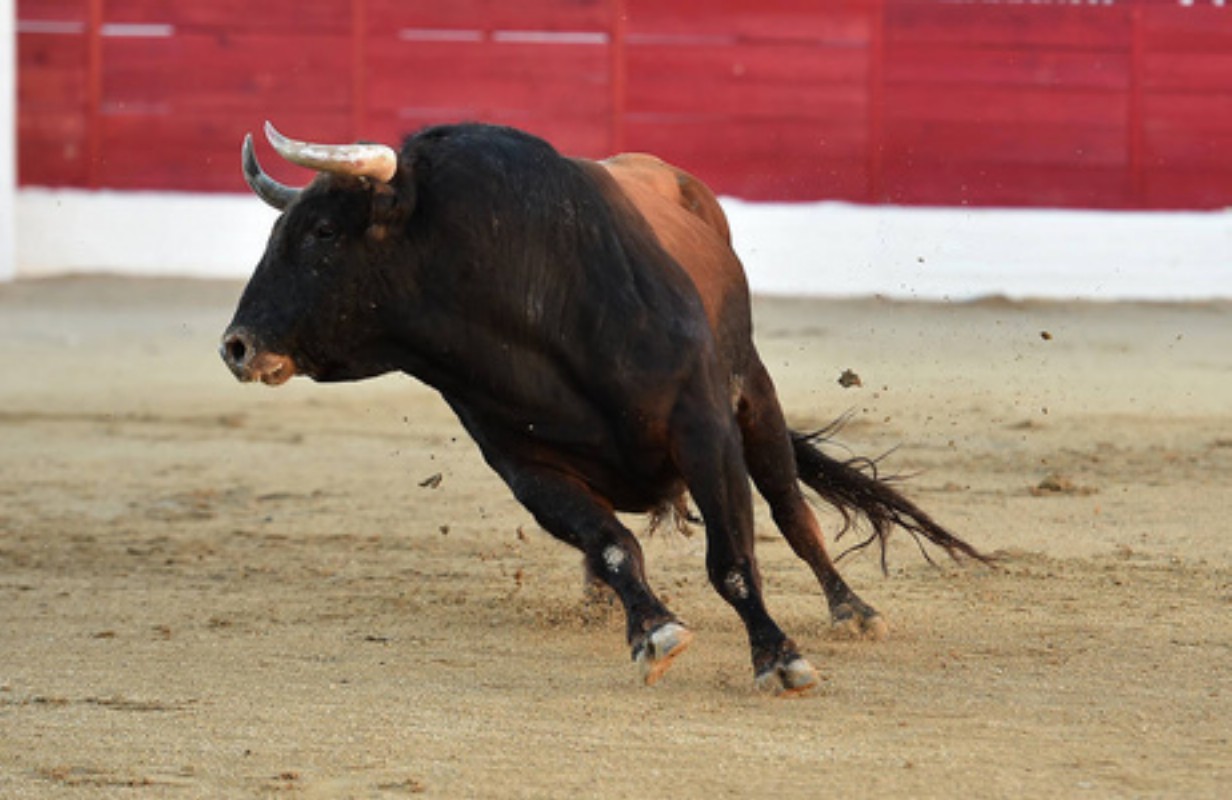
The Charm of Traditional Bullfighting Music
Spanish bullfighting music has a long historical tradition. The most famous is undoubtedly “España Cañí”, this classic work created by Pascual Marquina Narro remains one of the most popular pieces in bullrings today. Its stirring rhythm and tension-filled melody perfectly interpret the spiritual core of bullfighting.
Another piece that must be mentioned is “Torero’s Song”, which has become a staple of many concerts and cultural events with its unique harmonic structure and dramatic arrangement. These traditional pieces carry the cultural memory of the Spanish people over several centuries.
Modern Interpretations and Innovation
With the development of the times, modern musicians are constantly reinterpreting these classic works. Many contemporary Spanish musicians combine traditional bullfighting music with modern musical elements, creating entirely new musical experiences.
| Traditional Elements | Modern Innovation |
|---|
| Classical guitar | Electronic effects |
| Traditional rhythms | Jazz fusion |
| Single instruments | Symphonic arrangements |
This fusion not only maintains the spiritual core of the original works but also provides new ways for younger generations to access and understand traditional culture. Modern bullfighting music performances often combine visual arts and dance performances, forming richer artistic expressions.
Cultural Significance and Social Value
Bullfighting music is not just musical works, but an important symbol of Spanish cultural identity. In many traditional Spanish festivals, this music plays an important role. Whether in small town celebrations in Andalusia or large cultural events in Madrid, bullfighting music can evoke people’s resonance with traditional culture.
With modern society’s increased awareness of animal protection, many regions have banned or restricted bullfighting activities. However, this does not mean that bullfighting music will disappear; on the contrary, these musical works are continuing to be inherited and developed in new forms, becoming pure artistic expressions.
Appreciation Suggestions and Recommendations
For friends who want to deeply understand Spanish bullfighting music, I suggest starting from several aspects: first, listen to classic recorded versions to feel the authentic traditional charm; second, watch live performances to experience the perfect combination of music and visual arts; finally, try to understand the historical and cultural background behind this music, which will help you better understand the deeper meaning of the works.
You can also explore more about Spanish bullfighting classic events to gain a comprehensive understanding of this cultural phenomenon.
Spanish bullfighting music, as a unique form of musical art, carries rich cultural connotations and artistic value. Whether you are a music lover or cultural explorer, these passionate melodies are worth your careful appreciation and in-depth understanding.
