Recently, I’ve been searching for a suitable dance program for my 4-year-old daughter and stumbled upon Spanish bullfighting dance as an option. After some research and practical experience, I’d like to share some insights with fellow parents.
What is Children’s Spanish Bullfighting Dance
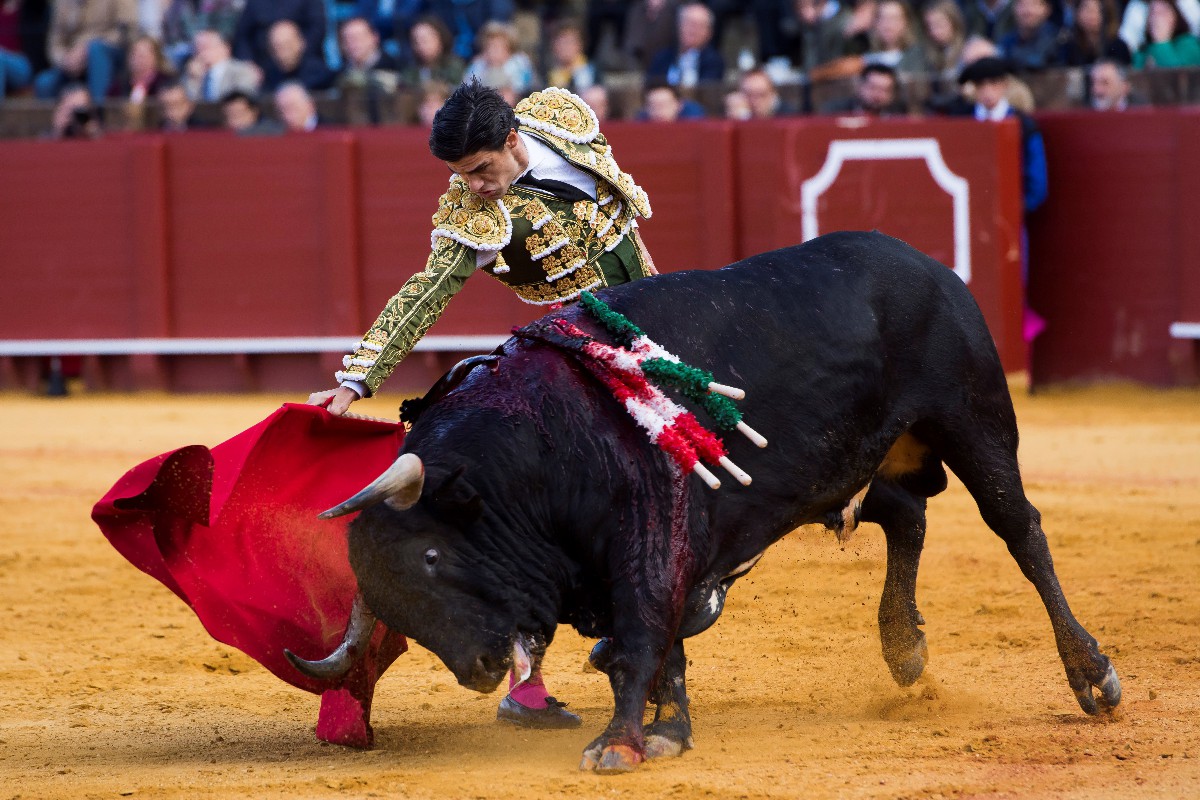
Spanish bullfighting dance, also known as Paso Doble, is a passionate and powerful dance form. For young children, this dance has been appropriately adapted, removing overly complex technical movements while preserving basic rhythm training and expressiveness. Children can effectively exercise body coordination and expression skills by mimicking the brave postures of matadors and the flowing movements of the red cape. Children’s bullfighting dance education provides an excellent foundation for artistic development.
Suitable Age and Basic Requirements
Based on my consultations with various dance studios, children’s Spanish bullfighting dance is typically suitable for kids aged 3-8 years. Children in this age group have developed basic body control abilities while possessing rich imagination, allowing them to understand and express the role-playing elements in the dance effectively.
| Age Group | Learning Focus | Class Duration |
|---|
| 3-4 years | Basic rhythm development | 30 minutes |
| 5-6 years | Movement coordination training | 45 minutes |
| 7-8 years | Expression and technique improvement | 60 minutes |
Learning Benefits and Developmental Value
Through several months of observation, I’ve discovered that this dance form has many positive impacts on children’s growth. First is physical fitness improvement - bullfighting dance requires an upright posture and powerful steps, which greatly helps with children’s posture development. Second is confidence building - when children can perform a complete dance routine, their sense of achievement is clearly visible.
Exposure to Spanish culture is also an important aspect. During the learning process, children encounter Spanish music, costumes, and cultural background, which is valuable for broadening their international perspective. My daughter now often hums Spanish dance tunes at home and actively asks various questions about Spain.
Recommendations for Choosing Training Institutions
When selecting a training institution, I recommend focusing on several key aspects: the teacher’s professional background and experience in children’s education, the safety and comfort of the learning environment, and whether the curriculum aligns with children’s physical and mental development characteristics. It’s best to attend a trial class first to observe your child’s reaction and adaptation level.
Price is certainly a consideration, but I believe teaching quality is more important. After all, this is a crucial stage in a child’s artistic development, and choosing a good start is more important than anything else. I hope my sharing can help parents with similar needs.
