As a dance enthusiast who has lived in Seville for five years, I want to share some experience in learning Spanish bullfighting dance with everyone. This passionate dance not only exercises the body but also helps us better understand Spanish culture.
Basic Posture and Preparation Movements
The most important aspect of bullfighting dance is maintaining an upright posture. Stand with feet together, spine straight, chin slightly raised, imagine yourself as a proud bullfighter. Arms hang naturally, shoulders relaxed but not collapsed. This basic posture is the starting point for all movements and must be practiced repeatedly until it becomes instinctive.
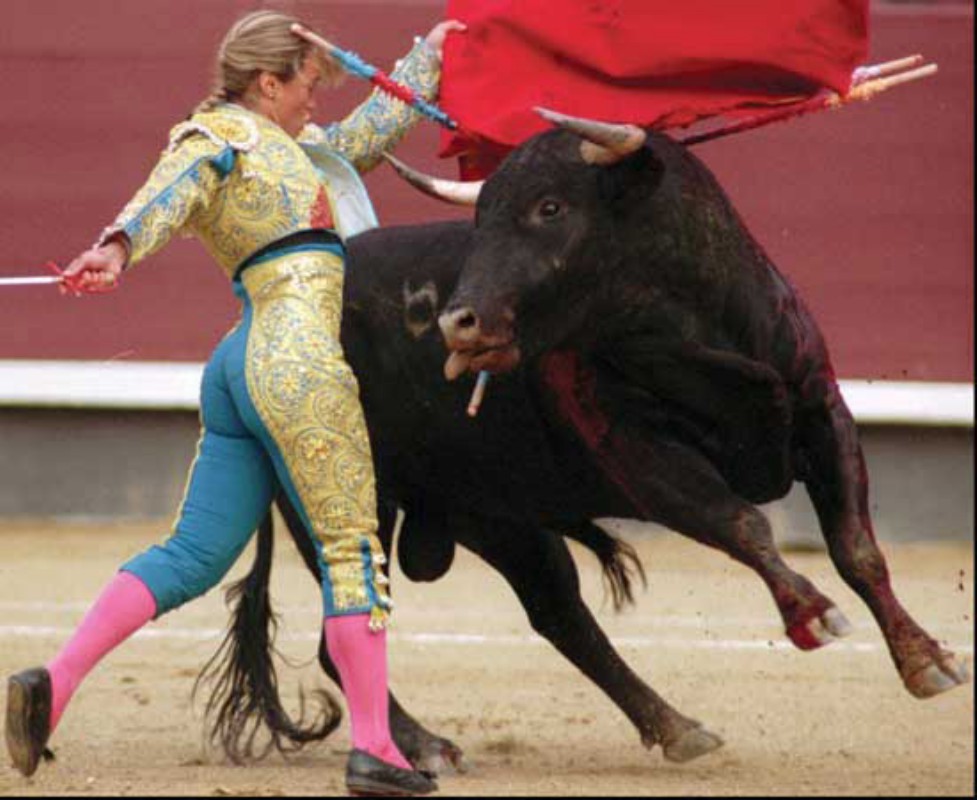
When practicing, check your posture in the mirror to ensure your head, shoulders, and hips are in a straight line. Remember, elegant posture is more important than complex movements.
Basic Step Training
The basic steps of bullfighting dance include forward steps, backward steps, and side steps. For forward steps, touch the ground with your toes first, then let the entire sole fall down. The movement should be powerful but not stiff. Backward steps are the opposite, touching the ground with the heel first.
| Step Type | Beat | Key Requirements |
|---|
| Forward Step | 1-2 beats | Toes touch ground first, body leans forward |
| Backward Step | 3-4 beats | Heels touch ground first, maintain balance |
| Side Step | 5-6 beats | Weight transfer should be smooth |
When practicing, it’s recommended to start without music and focus on movement accuracy. Repeat each step at least 20 times until your muscles remember the feeling.
Arm Movements and Expression Management
The arm movements in bullfighting dance mimic a bullfighter waving a cape. Arms should have tension but not be stiff, imagine you’re really holding a red cape. Basic arm movements include: raising high overhead, horizontal extension, diagonal downward swing, etc.
Expression is equally important, showing the bullfighter’s courage and focus. Eyes should be firm, corners of the mouth slightly upturned, but not overly exaggerated. Never show nervous or unconfident expressions, as this will ruin the entire dance atmosphere.
Rhythm Mastery and Musical Coordination
Bullfighting dance typically uses 2/4 time music, with relatively simple but precise rhythm requirements. Beginners can start with simple clapping practice, “clap-clap-clap-clap,” each beat should be clear and powerful.
After becoming familiar with the rhythm, start coordinating with basic steps. Remember, movements should be on the beat, not dragging or rushing. It’s recommended to choose some classic Spanish bullfighting dance music, such as the Toreador Song from “Carmen,” and practice repeatedly until you can perfectly coordinate.
Learning bullfighting dance requires patience and persistence, don’t rush for quick results. Practice 30 minutes daily, focusing on mastering basic movements, and believe that after a few months you’ll be able to perform beautiful bullfighting dance. If possible, it’s recommended to find professional instruction, as this will lead to faster progress.
