Recently I discovered a very special violin in an antique shop in Seville, and the owner told me this was the legendary matador violin. As someone interested in Spanish traditional culture, I couldn’t help but share this fascinating discovery with everyone.
What is a Matador Violin
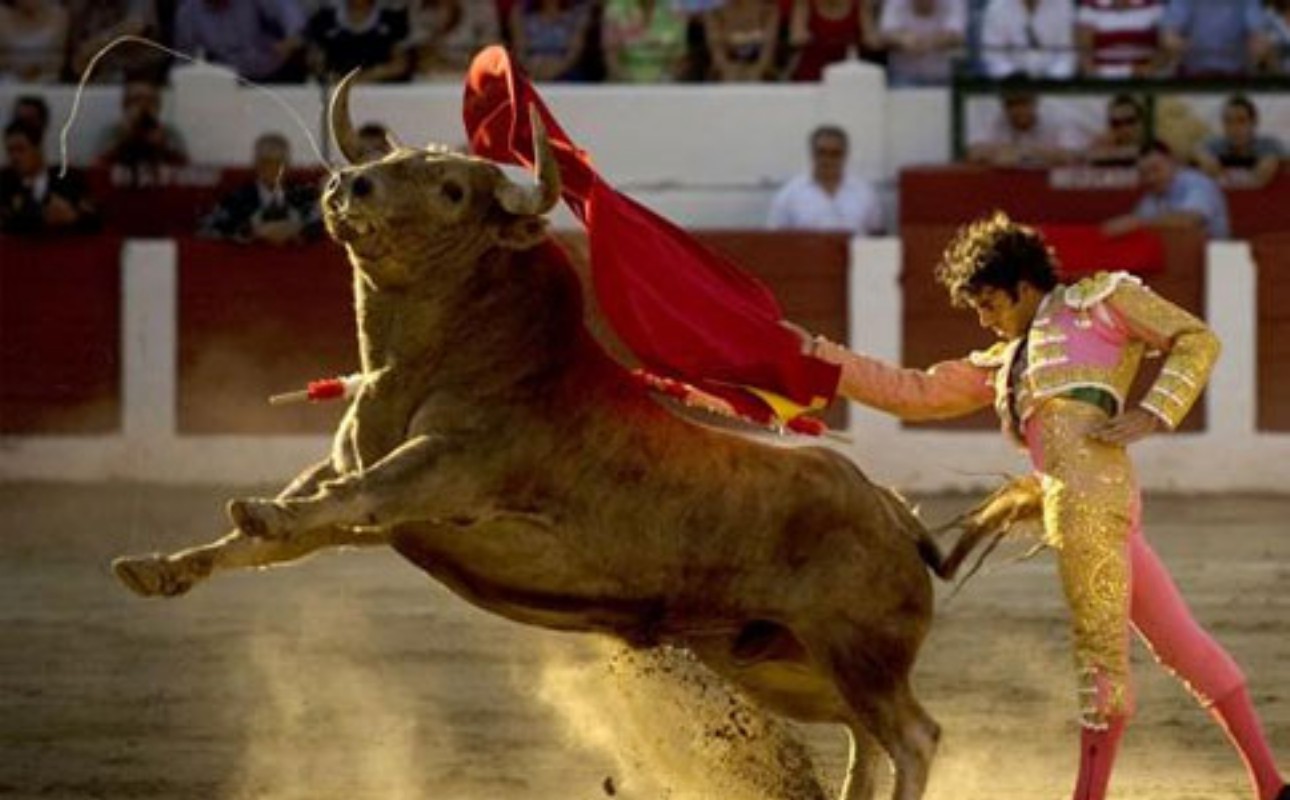
A matador violin is not an ordinary instrument classification, but rather refers to those special violins used in bullrings. These violins are typically decorated with matador motifs, featuring classic elements like red capes and bull horns painted on the body. In late 19th and early 20th century Spain, some musicians would play violins during intermissions of bullfighting performances, bringing audiences a different artistic experience.
Historical Background and Cultural Significance
From what I understand, the concept of matador violins originated in the Andalusia region. Bullrings at that time were not only venues for sporting competitions, but also centers of cultural exchange. Musicians would carry beautifully decorated violins, performing traditional Spanish ballads flamenco music and other local specialty pieces for audiences before and after bullfighting shows.
| Period | Characteristics | Main Regions |
|---|
| Late 19th Century | Simple decoration, primarily functional | Madrid, Seville |
| Early 20th Century | Exquisite craftsmanship, rich patterns | All of Andalusia |
| Modern Era | High collectible value, weakened performance function | All of Spain |
Craftsmanship and Features
Authentic matador violins have unique requirements in their craftsmanship. The body typically uses high-quality spruce and maple wood, but what makes them most special is their decorative artistry. Craftsmen hand-paint bullfighting scenes on the violin body, including brave matadors, charging bulls, and passionate audiences alongside bullfighting violin sheet music. These patterns are not merely decorative, but a tribute to Spanish bullfighting culture.
Modern Collectible Value
Today, authentic matador violins have become precious collectibles. In Madrid’s flea markets and Barcelona’s antique streets, you can occasionally still find some well-preserved old violins. Prices typically range from 800 to 3000 euros, depending on age, craftsmanship, and condition. For friends who love Spanish culture, these are definitely art pieces worth collecting.
Are there any friends who are also interested in this special instrument? Or does anyone know where to still find authentic matador violins? Welcome everyone to share your experiences and insights in the comments!
