Spanish Matador Fingerstyle: Perfect Fusion of Passion and Technique
As a guitar enthusiast who has lived in Spain for many years, I’d like to share some insights about matador fingerstyle techniques. This playing style not only embodies the passionate spirit of Spanish music but also represents the perfect fusion of technique and emotion.
Mastering Basic Techniques
The most important aspect of matador fingerstyle is right-hand technique control. The thumb handles bass string performance, while the index, middle, and ring fingers correspond to the treble strings respectively. Beginners need to pay special attention to finger independence training, ensuring each finger can accurately strike and release strings.
When practicing, I recommend starting at slow tempo to ensure every note is clear and accurate. A metronome is an essential tool that helps you establish steady rhythm. Many beginners rush for quick results, leading to unstable foundations that are difficult to correct later.
Classic Repertoire Recommendations
Here are some matador fingerstyle pieces suitable for different skill levels:
| Difficulty Level | Recommended Pieces | Practice Focus |
|---|
| Beginner | Romance de Amor | Basic fingering practice |
| Intermediate | Recuerdos de la Alhambra | Tremolo technique |
| Advanced | Asturias (Leyenda) | Complex rhythmic variations |
These pieces are all classics of Spanish classical guitar, each with unique technical requirements and musical expressiveness. I suggest learning progressively according to difficulty, avoiding jumping between levels.
The Importance of Emotional Expression
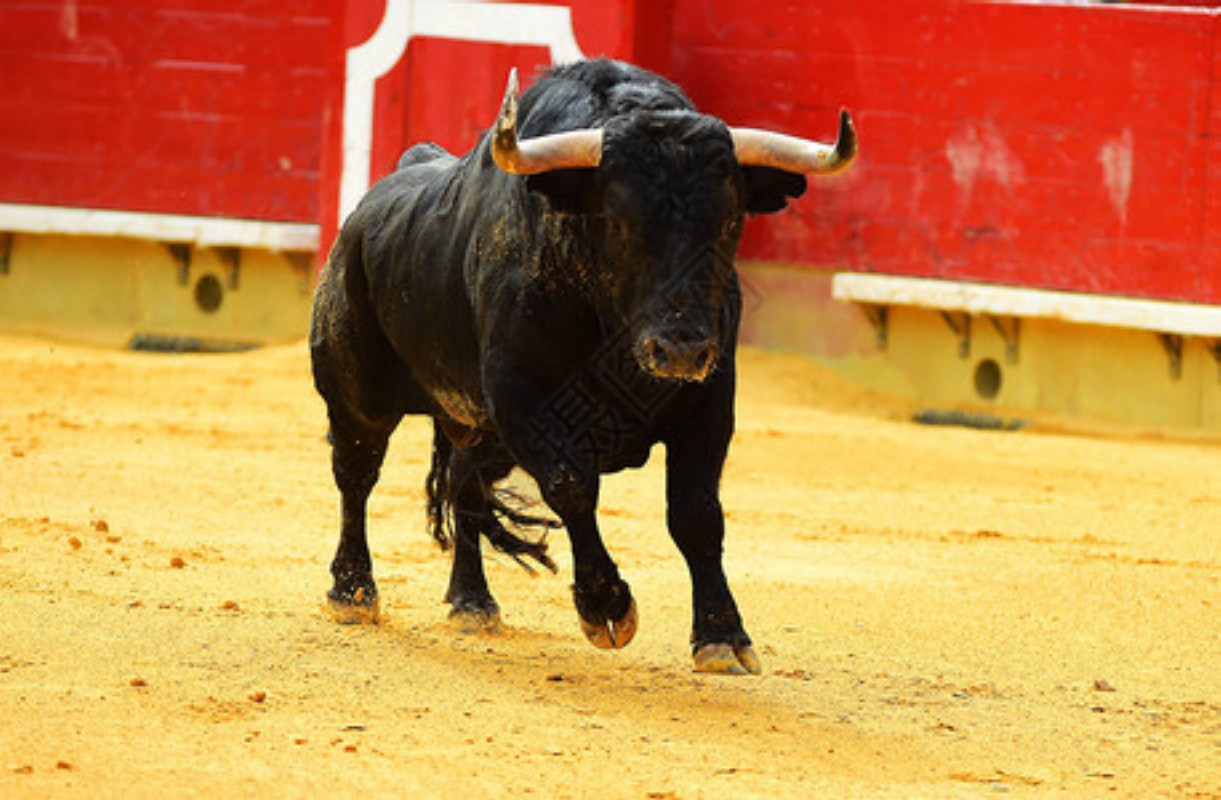
While technique is important, the essence of matador fingerstyle lies in emotional expression. Spanish music emphasizes natural emotional flow from within, not mere technical showmanship. When performing, imagine yourself as that brave matador, facing a powerful bull with both tension and fighting spirit.
Many people think good performance only requires proper technique - this is a misconception. Truly moving performances require genuine emotional investment from the player, allowing listeners to feel the story and emotions behind the music.
Daily Practice Recommendations
Maintain at least one hour of daily practice: 30 minutes for basic technique training and 30 minutes for repertoire practice. Practice in a quiet environment to avoid distractions. Pay attention to hand protection - warm up before practice and relax appropriately afterward.
I hope these insights are helpful to everyone. While matador fingerstyle has certain challenges, with consistent practice, I believe everyone can master this beautiful art form. Feel free to share your practice experiences and questions in the comments!
