The Unique Charm of Spanish Bullfighting Latin Dance
As a dance enthusiast who has lived in Spain for many years, I have always been captivated by the rich dance culture here, particularly the Spanish bullfighter dance. What fascinates me most is the bullfighting Latin dance, an art form that perfectly combines traditional bullfighting culture with Latin dance. Today I want to share my understanding and experience of this dance form.
Bullfighting Latin dance originated in the Andalusia region of southern Spain, cleverly incorporating the bravery and elegance of bullfighters into the rhythm of Latin dance. This dance not only showcases the passionate nature of Spanish people but also reflects their inheritance and innovation of traditional culture. Dancers must display the firmness and composure of a bullfighter facing a bull, while maintaining the characteristic grace and sensuality of Latin dance.
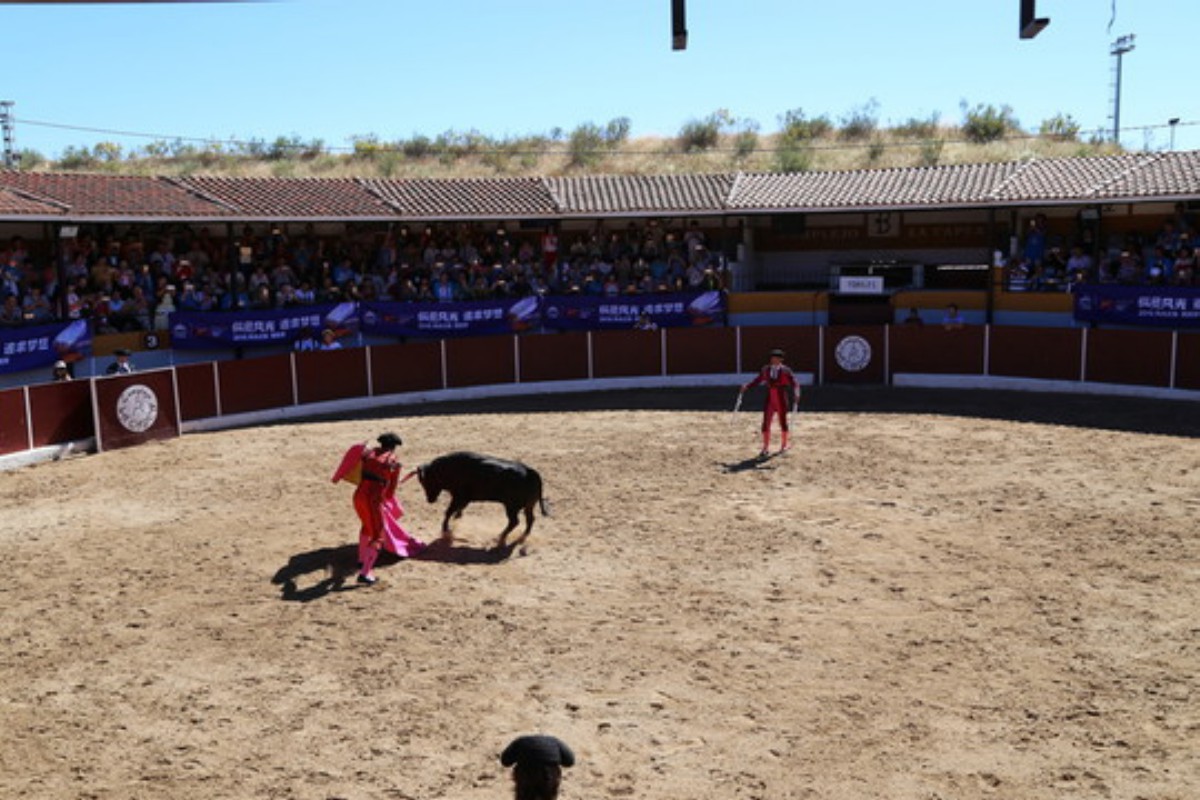
Basic Movements and Technical Points
Learning bullfighting Latin dance requires mastering several core elements. First is body posture - dancers need to maintain an upright torso, displaying confidence like a bullfighter. Arm movements are particularly important, requiring imitation of cape-waving motions that are both powerful and fluid. For footwork, it combines flamenco stamping with Latin dance hip movements, creating a unique sense of rhythm.
| Movement Type | Technical Points | Practice Suggestions |
|---|
| Arm Movements | Imitate cape waving, maintain fluidity | Practice basic arm positions 30 minutes daily |
| Footwork Techniques | Combine stamping with hip swaying | Start with slow tempo, gradually increase speed |
| Body Posture | Upright and confident, display bullfighter demeanor | Practice in front of mirror, focus on expression |
During my actual learning process, I discovered that the most important aspect is understanding the cultural significance behind this dance. It’s not merely a combination of movements, but an expression of emotion. When you truly understand the courage and elegance displayed when facing challenges in bullfighting culture, your dance will naturally radiate unique charm.
Learning Suggestions and Cultural Experience
For those wanting to learn bullfighting Latin dance, I recommend starting by understanding Spanish bullfighting culture. Watch some classic bullfighting performance videos to feel that tense, exciting yet artistic atmosphere. Also, listen to traditional Spanish music frequently, allowing your body to naturally move with the beat.
Don’t rush for quick results - this dance requires time to develop feeling. I suggest practicing at least three times per week, about one hour each session. Start with basic arm movements, gradually incorporating footwork and body coordination. Remember, facial expressions and eye contact are equally important - display that determined yet passionate demeanor of a bullfighter.
In many Spanish cities, particularly Seville and Madrid, there are specialized dance schools teaching this dance form. If you have the opportunity, I strongly recommend experiencing authentic Spanish dance classes firsthand - the atmosphere and feeling are difficult to replicate elsewhere.
