The Unique Charm and Cultural Heritage of Spanish Bullfighting
As a foreigner who has lived in Spain for many years, I have gained profound insights into the bullfighting culture here. Spanish bullfighting is not merely a sport, but a cultural symbol deeply rooted in the soil of the Iberian Peninsula. Today I want to share my observations and understanding of the characteristics of Spanish bullfighting.
A Time-Honored Cultural Tradition
The history of Spanish bullfighting can be traced back to around 2000 BC, originally stemming from religious rituals and aristocratic entertainment. The modern form of bullfighting was essentially established in the 18th century and has developed for over 300 years. This sport embodies the Spanish nation’s courage, honor, and artistic pursuit, becoming an inseparable part of Spanish culture.
Exquisite Skills and Artistic Expression
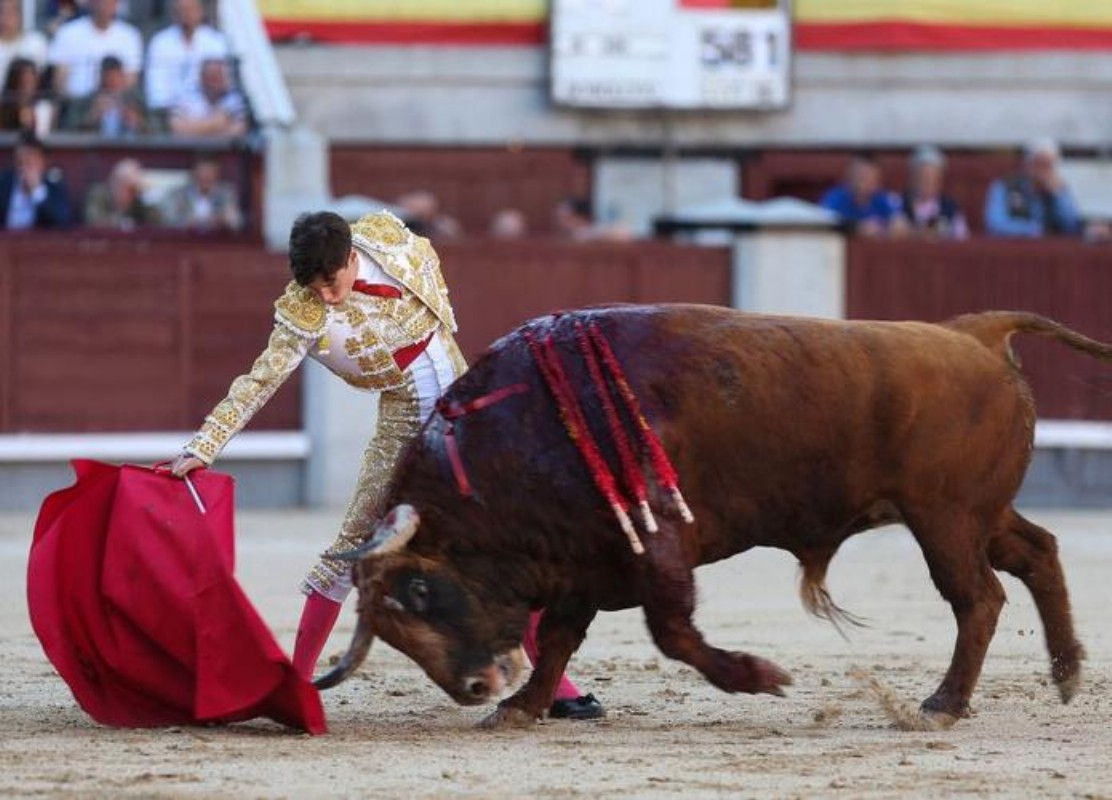
The skills required of a matador are extremely high, demanding years of rigorous training. An excellent matador must possess agile movements, precise judgment, and fearless courage. The entire bullfighting process is divided into three stages, each with specific technical requirements and artistic forms of expression. Through the bullfighting dance elegant movements, precise steps, and interaction with the bull, matadors display a unique artistic beauty.
Basic Rules and Process of Bullfighting
| Stage | Main Content | Duration |
|---|
| First Act | Picadors test the bull | About 8 minutes |
| Second Act | Banderilleros place colorful banderillas | About 6 minutes |
| Third Act | Matador’s formal performance | About 10 minutes |
Traditional bullfighting performances follow strict rituals and rules. Matadors wear magnificent traditional costumes and hold red capes while confronting bulls weighing up to 500 kilograms. The entire process not only tests the matador’s technical level but is also a comprehensive display of courage, skill, and artistry.
Controversies and Discussions in Modern Society
In recent years, Spanish bullfighting has faced increasing controversy. Some people consider it cruel animal abuse, while supporters maintain it is an important cultural heritage. Regions like Catalonia have banned bullfighting activities, but in traditional areas such as Andalusia and Madrid, bullfighting still enjoys widespread support. This division reflects the complex balance between traditional and modern values in contemporary Spanish society.
Future Development of Bullfighting Culture
Despite facing challenges, Spanish bullfighting culture continues to seek ways to adapt to modern society. Some places have begun promoting non-harmful bullfighting performances, preserving artistry while reducing controversy. Meanwhile, bullfighting schools continue to train new generations of matadors, ensuring the transmission of this skill. Regardless of how it develops, Spanish bullfighting as a unique cultural phenomenon deserves our deep understanding and reflection for its artistic value and historical significance.
