As a foreigner who has lived in Spain for many years, I have always been curious about the profession of bullfighting. Recently, I had the opportunity to meet several professional bullfighters and would like to share some real insights with you.
Daily Training of Bullfighters
Many people think that bullfighters only need to perform in the bullring, but in reality, their daily training is extremely rigorous. Every day starts at 5 AM with physical training, including running, strength training, and flexibility exercises. Most importantly, there’s interaction training with bulls, which takes place in specialized training facilities, usually using young bulls to practice basic movements.
Professional Levels and Income
Bullfighters’ professional levels are divided into three main tiers, with huge income disparities:
| Level | Annual Income Range | Performance Count |
|---|
| Apprentice Bullfighter | €5,000-15,000 | 10-20 shows |
| Professional Bullfighter | €20,000-100,000 | 30-50 shows |
| Top-tier Bullfighter | €200,000+ | 60+ shows |
Top bullfighters like José Tomás can earn €100,000 per performance, but such star-level figures number fewer than 10 throughout Spain. Most bullfighters have unstable incomes and must bear high costs for costumes, equipment, and medical insurance.
Modern Challenges
Modern society’s controversy over bullfighting is growing, with animal rights organizations’ protests and declining interest among younger generations impacting this traditional industry. Regions like Catalonia have already banned bullfighting performances, forcing many bullfighters to switch careers or relocate to areas that still support bullfighting.
Cultural Heritage Significance
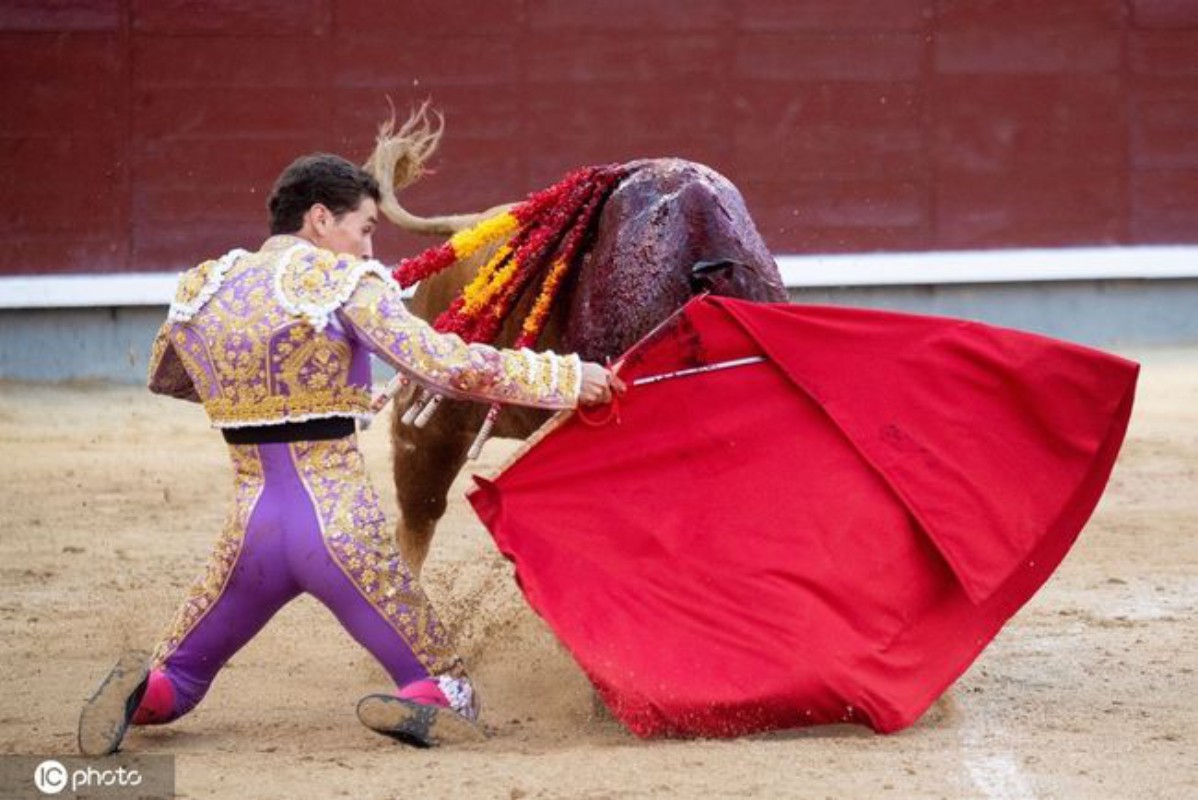
Despite facing controversy, bullfighters still firmly believe they are guardians of Spanish culture. They are not merely performers but artists, where each confrontation with a bull represents a performance of courage, skill, and aesthetics. Many bullfighting families have passed down this craft through generations, viewing it as a symbol of family honor.
From my observations, the bullfighting profession stands at a historical crossroads. Whether one supports or opposes it, we cannot deny its important place in Spanish culture. As foreigners, we may find it difficult to fully understand this cultural phenomenon, but we should at least respect different ways of cultural existence.
