As a music enthusiast who has lived in Madrid for five years, I have always been fascinated by the musical elements in Spanish bullfighting performances. Recently, while organizing some materials about bullfighting music, I discovered some very interesting things that I’d like to share with you about the story of bullfighting sheet music.
Historical Origins of Bullfighting Music
The musical tradition of Spanish bullfighting performances can be traced back to the 18th century. At that time, bullrings began introducing dedicated bands to add dramatic atmosphere to the entire performance. These musical pieces initially had no standardized sheet music records, but were passed down among musicians through oral tradition, as documented in bullfighting dance sheet music. It wasn’t until the mid-19th century, with the popularization of music education, that bullfighting music began to have formal sheet music records.
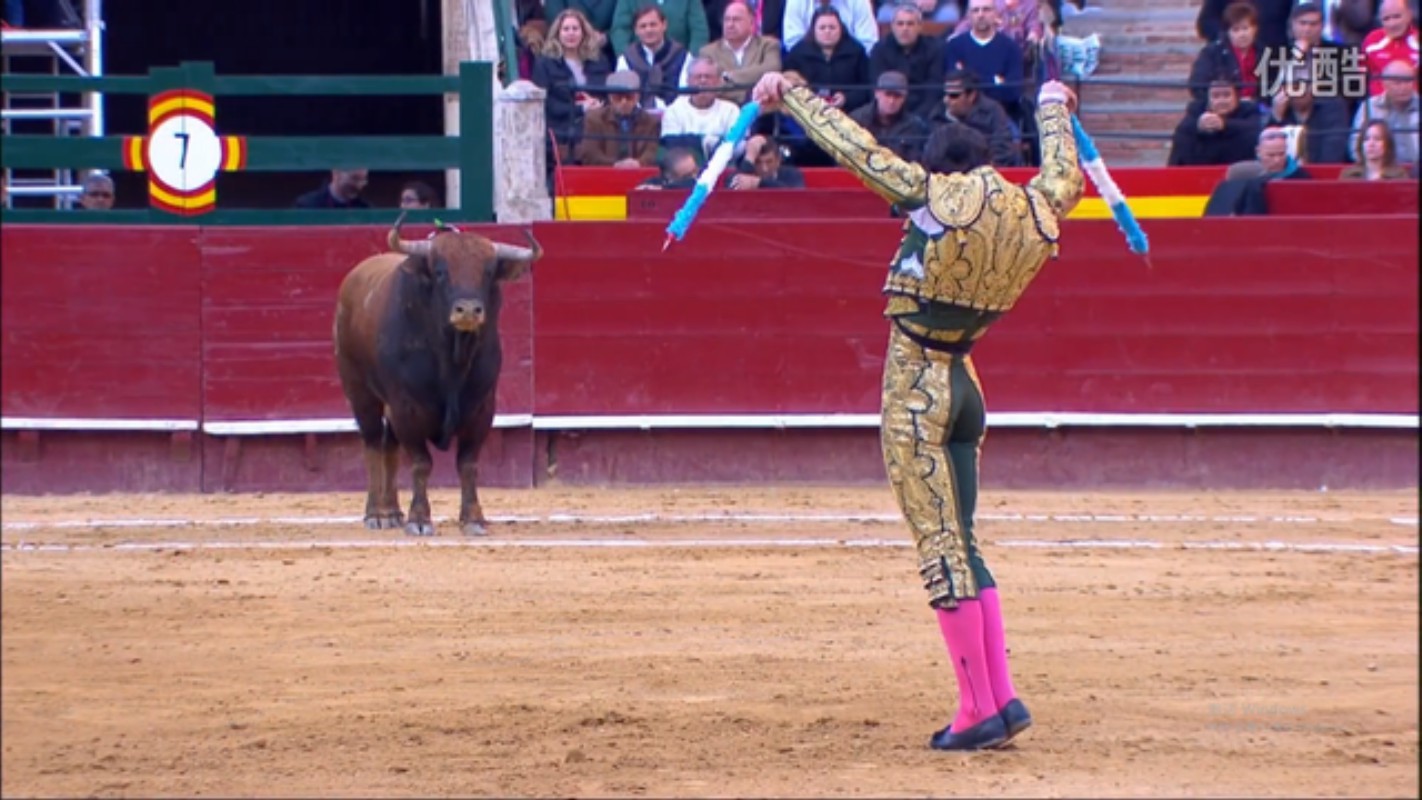
Sheet Music Characteristics of Classic Bullfighting Repertoire
Traditional bullfighting music has unique characteristics on sheet music. The tempo usually adopts 2/4 or ¾ time signatures, with melodic lines that are concise and powerful, and harmonies that are relatively simple but full of tension. The most famous “Torero March” exemplifies these characteristics on sheet music: strong rhythmic sense, clear tonality, and complex ornamental notes simple ornamental note treatment.
| Piece Name | Key | Time Signature | Performance Duration |
|---|
| Torero March | D Major | 2/4 | 3-4 minutes |
| Carmen Overture | A Minor | 4/4 | 8-10 minutes |
| Aragonese Jota | E Major | ¾ | 5-6 minutes |
Musical Changes in Modern Bullfighting Performances
Modern bullfighting performance music no longer relies entirely on traditional sheet music. Many contemporary composers have begun creating new musical works for bullfighting performances, which maintain traditional charm while incorporating more modern musical elements. The addition of electronic music has given bullfighting music new forms of expression, but sheet music remains an important tool for recording and preserving these musical pieces.
As ordinary audiences, we may not need to deeply understand the meaning of every note, but understanding the sheet music stories behind this music can indeed help us better appreciate the artistic value of bullfighting performances. Next time you go to a bullring, why not listen carefully to those familiar melodies and imagine how they look on sheet music.
