Recently, I’ve been exploring several wine specialty stores in Madrid and discovered that Spanish red wine price ranges are quite fascinating. As a wine enthusiast who has lived here for several years, I’d like to share my compiled information about Spanish red wine prices, hoping it will help friends planning to purchase or understand the market.
Daily Table Wine Price Range
When it comes to everyday red wines, Spanish domestic brands in supermarkets are indeed very affordable. Generally 3-8 euros can get you decent table wines, such as young Marqués de Cáceres, Campo Viejo Tempranillo, etc., all within this price range. At large supermarkets like Carrefour or Mercadona, you can often find promotional activities - sometimes 5 euros for two bottles.
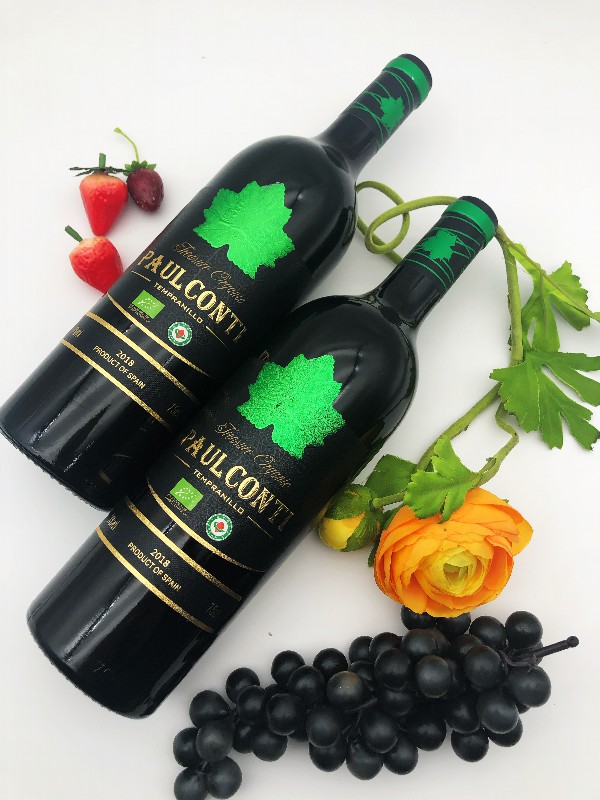
Mid-range red wines, such as Crianza-level wines with some aging time, typically cost 10-25 euros. Wines at this price point already have fairly complex flavor profiles, perfect for opening a bottle during weekend gatherings with friends. I personally prefer Rioja Alta’s Crianza, around 15 euros, which offers excellent value for money.
Regional Price Comparison
| Region | Entry Price | Mid-range Price | Premium Price |
|---|
| Rioja | 8-15€ | 20-50€ | 80-300€ |
| Ribera del Duero | 12-20€ | 30-80€ | 100-500€ |
| Priorat | 15-25€ | 40-100€ | 150-800€ |
| Toro | 10-18€ | 25-60€ | 80-200€ |
From the table, you can see that Priorat region wines are generally more expensive, mainly because many vineyards there are on steep hillsides with high labor costs and relatively low production. However, wines from that region do have unique mineral characteristics worth trying.
Collector-Grade Red Wine Market
If you’re interested in collector-grade Spanish red wines, as explored in 1818 wine prices, prices are on a completely different level. Vega Sicilia’s Único typically costs 200-400 euros on the market, depending on the vintage. Alvaro Palacios’s L’Ermita can reach 500-800 euros per bottle.
It’s more reliable to purchase these wines from professional wine merchants. Although not cheap, they guarantee quality and storage conditions. I previously bought several collectible bottles at Vila Viniteca in Barcelona, where the staff’s expertise level is very high, providing detailed introductions to each wine’s characteristics and optimal drinking periods.
Purchase Recommendations and Considerations
Personally, I recommend beginners start with Crianza from the Rioja region - reasonably priced and with flavors that are easier to appreciate. For high value-for-money options, consider products from cooperative wineries like Bodegas Ontañón or entry-level selections from Marqués de Murrieta.
Don’t be misled by overly fancy packaging - many quality Spanish wineries actually use rather modest packaging, with the focus being on the wine’s actual quality. Also, when buying wine, check for DO or DOCa markings on the back label, as detailed in Spanish custom wine prices - this is Spain’s official quality assurance system.
