After living in Spain for several years, I’ve gained deep insights into the wine culture here through Spanish wine brands and understanding wine brand bags collections and Spanish wine brand necklaces. Recently, while discussing the idea of creating a wine brand with friends, I wanted to share some insights about Spanish wine brand planning.
Regional Selection is the Key Foundation
Spain boasts numerous premium wine regions, each with unique terroir conditions and winemaking traditions. Rioja is world-renowned for its elegant Tempranillo wines, while Ribera del Duero is famous for its intense reds. Choosing the right region not only affects wine quality but also directly relates to brand positioning and market recognition. I recommend beginners consider starting with well-known regions, as this makes it easier to gain consumer trust.
Brand Positioning and Market Segmentation
Successful wine brands require clear positioning strategies. We need to consider target consumer groups, price ranges, and brand personality. For instance, targeting young consumers might involve creating modern packaging designs, while traditional consumers might appreciate emphasis on heritage and craftsmanship excellence. Price positioning is also crucial, with opportunities in entry-level, mid-range, and premium markets.
Here’s a simple market positioning analysis table:
| Consumer Group | Price Range | Marketing Focus |
|---|
| Young Consumers | 10-20 euros | Trendy packaging, social media promotion |
| Middle Class | 20-50 euros | Quality assurance, word-of-mouth marketing |
| Premium Clients | 50+ euros | Limited editions, professional ratings |
Marketing and Promotion Strategies
In the digital age, wine brand promotion methods are increasingly diverse. Traditional newspaper advertising effectiveness has significantly declined, now requiring integrated online and offline marketing strategies. Social media platforms like Instagram and Facebook can showcase vineyard beauty and winemaking processes, while wine tastings and food pairings allow consumers to directly experience products. Partnering with local restaurants and bars is also an excellent promotional channel.
The Importance of Packaging Design
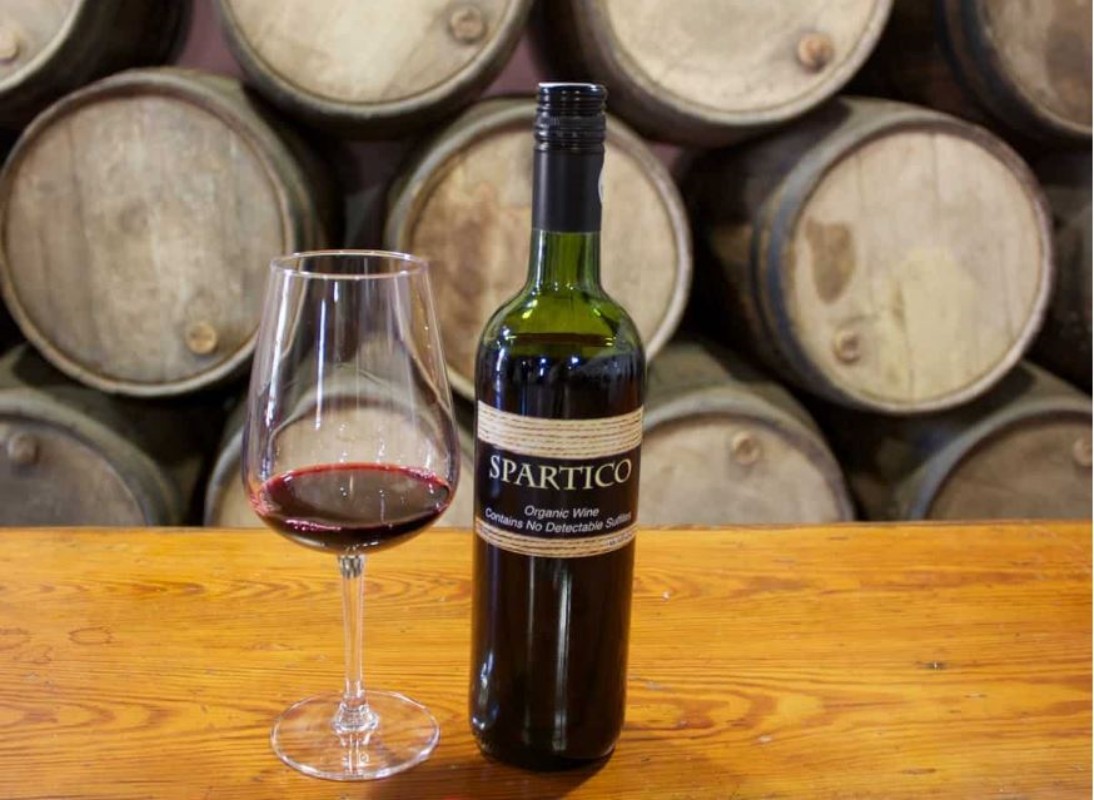
Wine packaging design is often the determining factor in consumers’ first impressions. Spanish wines can fully utilize local cultural elements, such as flamenco, bullfighting, or Gaudi architecture and other iconic symbols. However, avoid overusing stereotypes, as modern consumers prefer clean and tasteful designs. Wine label materials, color combinations, and font choices all require careful consideration.
Legal Regulations and Certifications
Finally, it’s important to note that Spain’s wine industry has strict legal regulatory requirements. The DO certification system has clear regulations for grape cultivation, winemaking processes, and quality standards. Obtaining appropriate certifications not only ensures product quality but also serves as an important demonstration of brand authority. Additionally, export sales require understanding target market import regulations and labeling requirements.
Spanish wine brand planning is a systematic project requiring consideration of multiple aspects including product, market, and marketing. I hope these experience shares are helpful for friends with similar ideas, and welcome everyone to share their own insights and experiences!
