As a wine enthusiast who has lived in Spain for many years, I’d like to share insights about Spanish red wine region rankings. Spain, as the [Spanish red wine regions] world’s third-largest wine producer, boasts numerous premium regions, each with its unique terroir conditions and winemaking traditions.
Top Region Rankings Overview
Based on international reputation, wine quality, and historical heritage, I believe Spanish red wine regions can be ranked as follows:
| Ranking | Region Name | Main Grape Varieties | Style Characteristics |
|---|
| 1 | Rioja | Tempranillo | Classic elegance, oak barrel aging |
| 2 | Ribera del Duero | Tempranillo | Rich and powerful, tannin-rich |
| 3 | Priorat | Garnacha, Cariñena | Strong minerality, high complexity |
| 4 | Toro | Tempranillo | Full-bodied, high alcohol |
| 5 | Jumilla | Monastrell | Fruity aroma, excellent value |
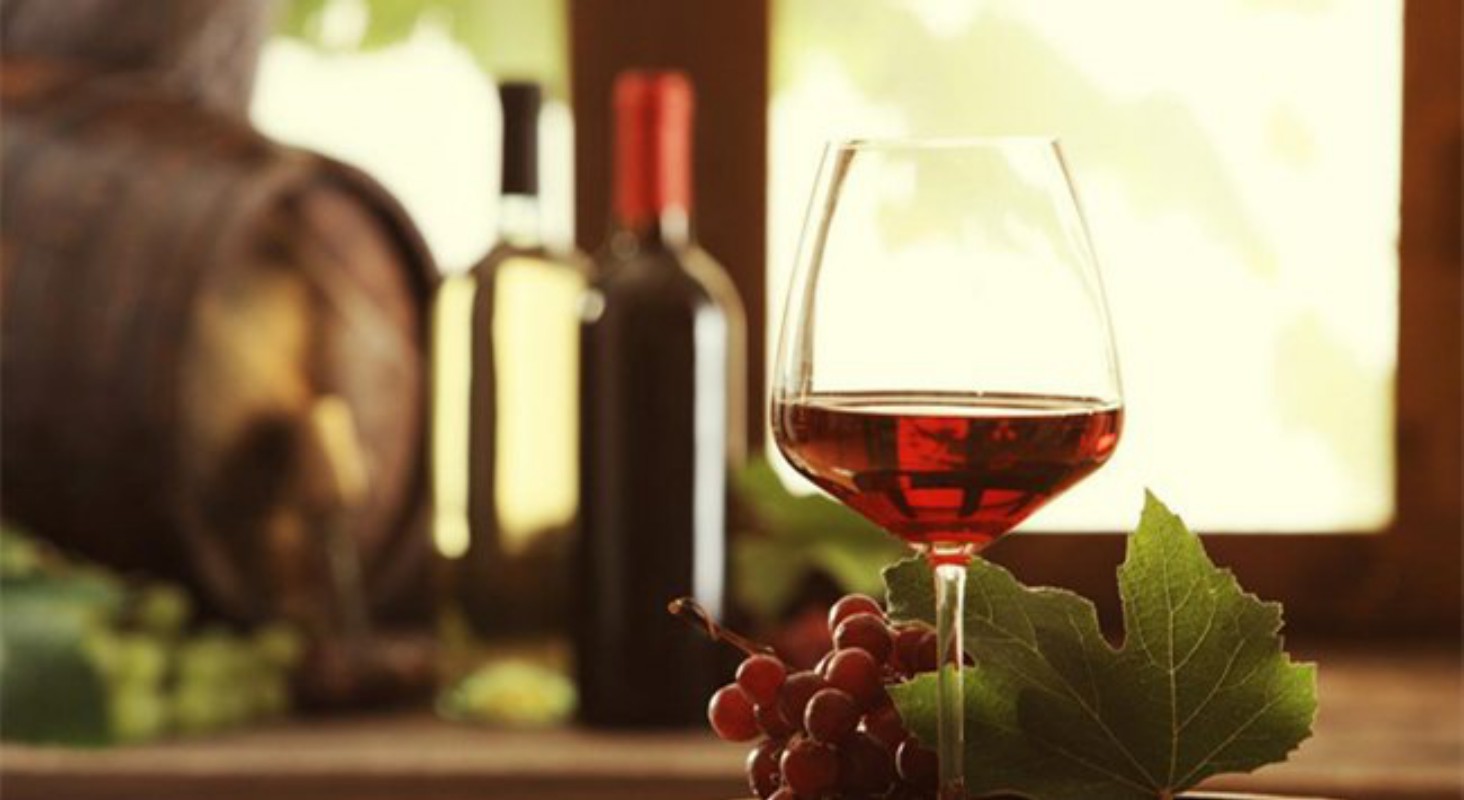
Rioja: The King of Spanish Red Wines
Rioja is undoubtedly Spain’s most famous red wine region, divided into three sub-regions: Rioja Alavesa, Rioja Alta, and Rioja Oriental. Here, the Spanish red wine regions Tempranillo grapes, under the combined influence of Atlantic and Mediterranean climates, display perfect balance. Traditional American oak barrel aging gives Rioja red wines complex aromas of vanilla, coconut, and spices. I recommend trying works from established wineries like Marqués de Riscal or López de Heredia.
Ribera del Duero: Representative of the Modern School
Although Ribera del Duero received its DO certification relatively late, it quickly joined the ranks of top regions thanks to its exceptional quality. The high altitude and significant day-night temperature differences here create Tempranillo grapes with intense color and rich tannin structure. The famous Vega Sicilia winery is located in this region, with its Único series hailed as a benchmark of Spanish wine.
Other Notable Regions
Priorat region is renowned for its unique slate soils, which locals call “llicorella,” giving wines intense mineral characteristics. Toro region wines are praised for their powerful body and aging potential that rivals French Bordeaux. While Jumilla ranks lower, its Monastrell-based red wines offer excellent value and are perfect for daily consumption.
When choosing Spanish red wines, I recommend deciding based on personal preferences and occasions. Those who prefer traditional styles should choose Rioja, those seeking modernity should try Ribera del Duero, and those looking for unique experiences should sample Priorat offerings. Each region has its own charm, which is precisely what makes Spanish DO regions Spanish wine culture so fascinating.
