As the world’s third-largest wine producer, Spain boasts a rich winemaking heritage and diverse regional landscapes. Each region possesses unique terroir conditions and winemaking traditions that shape distinctive wine styles. Today, I’d like to share insights into Spain’s premier red wine regions and their corresponding classification systems.
Overview of Major Red Wine Regions
Rioja stands undoubtedly as one of Spain’s most celebrated red wine regions. Located in northern Spain, this region primarily focuses on Tempranillo grapes, crafting red wines with elegant tannin structures and complex aromatic layers. Rioja subdivides into three sub-regions: Rioja Alavesa, Rioja Alta, and Rioja Baja, each featuring distinct microclimate characteristics.
Castilla-La Mancha serves as Spain’s largest wine region. While renowned for white wines, its red wine production remains equally significant. The [Spanish red wine regions] here experience dry climate conditions with abundant sunshine, creating ideal environments for grape maturation. Primary varieties include Tempranillo, Bobal, and Monastrell, reflecting the diverse character of Spanish red wine regions.
Classification System Explained
Spain’s wine classification system is relatively comprehensive, divided into the following primary grades:
| Grade | Spanish Abbreviation | English Meaning | Quality Requirements |
|---|
| DO | Denominación de Origen | Designation of Origin | Strict regional and production regulations |
| DOCa | Denominación de Origen Calificada | Qualified Designation of Origin | Highest grade, currently only Rioja and Priorat hold this honor |
| IGP | Indicación Geográfica Protegida | Protected Geographical Indication | Distinctive regional character with relatively flexible requirements |
| Vino de Mesa | - | Table Wine | Most basic classification |
The DOCa classification represents Spain’s highest wine honor, requiring rigorous evaluation processes for certification. Currently, only Rioja and Priorat regions have achieved this prestigious status among Spanish DO regions.
Rise of Emerging Regions
Beyond traditional renowned regions, several emerging areas have gained significant attention recently. Priorat distinguishes itself through unique slate soils and steep mountainous terrain, producing robust, tannin-rich red wines. This region primarily cultivates Garnacha and Cariñena, creating wines with higher alcohol content and intense flavors.
Andalusia region, while famous for Sherry wines, has seen steady growth in red wine production recently. The hot, dry Mediterranean climate provides optimal ripening conditions for grapes, typically producing full-bodied wines with concentrated fruit flavors.
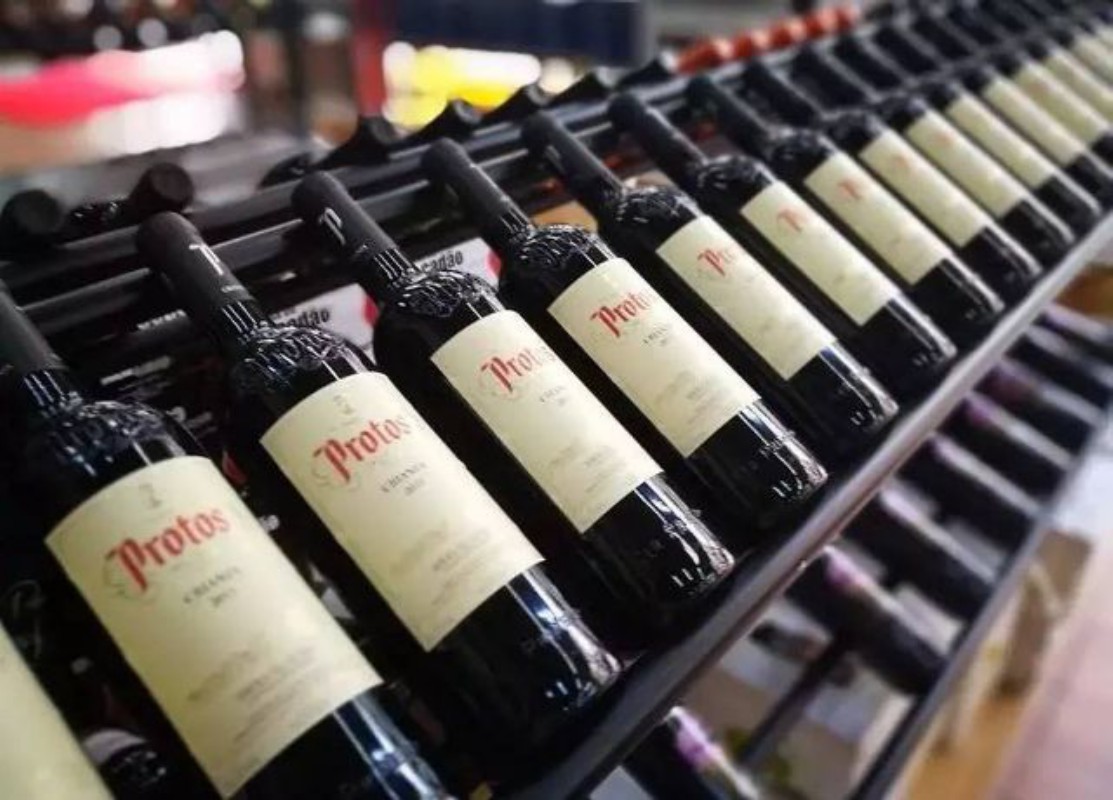
When purchasing Spanish red wines, I recommend paying attention to aging designations on labels. Joven, Crianza, Reserva, and Gran Reserva represent different aging periods and quality standards. Generally, longer aging periods correspond to increased complexity and higher prices.
