Having lived in Spain for several years, I’ve gained considerable experience with local ham and wine. Recently, I’ve noticed many forum members asking how to select authentic Spanish ham and wine, so I’d like to share some practical tips to help everyone avoid common pitfalls.
Iberian Ham Grade Classification
Many people think all Spanish hams are similar, but the differences are significant. The highest grade is “Jamón Ibérico de Bellota”, which comes from 100% purebred Iberian black pigs that are completely free-range in oak forests feeding on acorns. Prices typically range from 80-120 euros per kilogram. The next grade is “Cebo de Campo,” which uses mixed feed but with some free-range time, priced at 40-60 euros. The cheapest “Cebo” is completely pen-raised, priced at 25-40 euros.
Visually, high-grade ham fat appears pearl white or slightly yellow, while the muscle portion is deep red. If you see gray fat or muscle that’s too light in color when pairing wine with ham, the quality is likely poor. When sliced, good ham should show distinct marbling, melt in your mouth, and have a rich nutty aroma.
Regional Ham Characteristics Comparison
| Region | Characteristics | Price Range |
|---|
| Huelva | Mild taste, suitable for beginners | 60-90 euros |
| Salamanca | Rich flavor, moderate saltiness | 70-100 euros |
| Cáceres | Firm texture, long finish | 80-120 euros |
Spanish Wine Selection Points
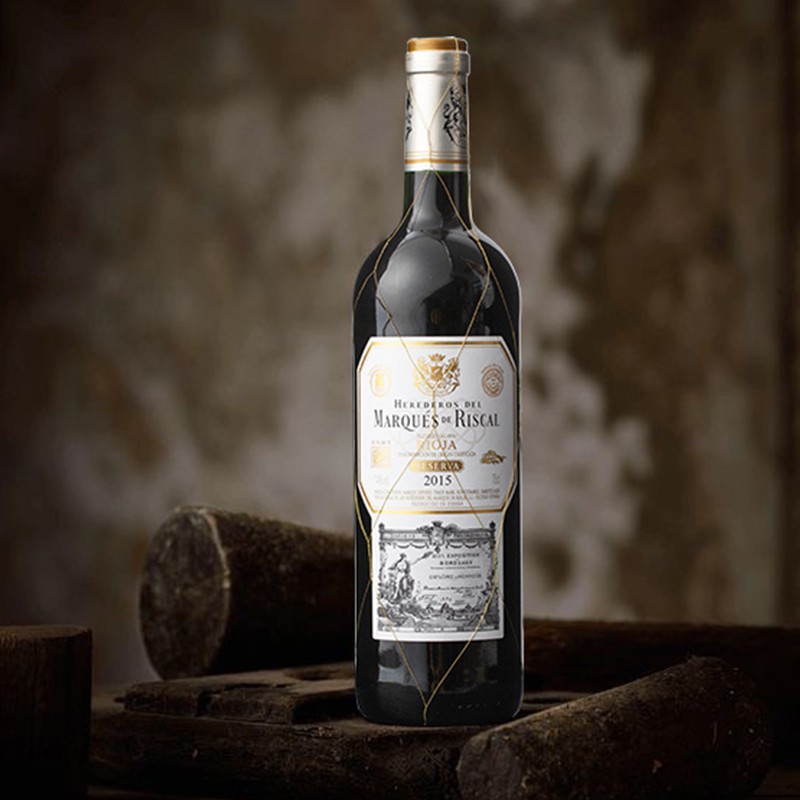
When it comes to Spanish wine, Rioja is definitely the top choice region. Wines here are classified into four aging levels: Joven, Crianza, Reserva, and Gran Reserva. For daily drinking, I recommend Crianza level for the best value, typically available for 8-15 euros for decent quality.
When selecting, pay attention to the vintage on the label. Older isn’t always better - it depends on the specific year’s climate conditions. 2010 and 2016 are recognized as excellent vintages. Additionally, if the wine bottle has a pronounced punt (indentation) at the bottom, the quality is usually better, indicating the winemaker took special care with that wine.
Purchase Channel Recommendations
While supermarket selections are convenient, quality varies widely. I prefer specialized delicatessens or winery direct sales points. The owners at these places are usually very knowledgeable and can offer good advice. Especially family-run small shops often have limited edition products not available elsewhere.
Finally, I’d like to remind everyone that truly good ham and wine require patience to appreciate. Don’t be misled by packaging or price - trusting your own taste is most important. I hope these experiences are helpful, and feel free to continue the discussion if you have any questions!
