My Spanish Wine Franchise Journey
As a Chinese expatriate who has been living in Spain for five years, I recently decided to venture into the wine franchise industry. After several months of market research and field investigations, I’d like to share some genuine experiences and insights with everyone.
Why Choose Spanish Wine
Spain, as the world’s third-largest wine producer, boasts a rich winemaking tradition and exceptional wine regions. Compared to the high prices of French wines, Spanish wines offer significant advantages in terms of value for money. Particularly wines from renowned regions like Rioja and Priorat, whose quality is absolutely comparable to other prestigious European wines.
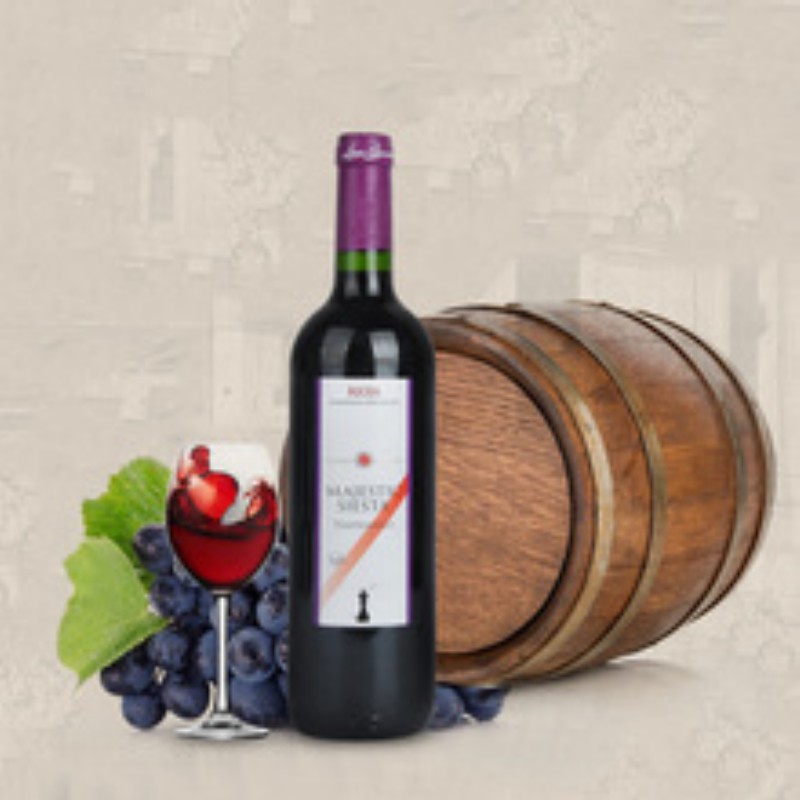
I visited multiple local wineries and discovered that many century-old estates are willing to collaborate internationally. The key is finding suppliers with genuine strength and sincerity, rather than intermediaries seeking quick profits. At a wine exhibition in Barcelona, I met several winery owners from different regions, all showing keen interest in expanding into Asian markets.
Market Prospects Analysis
Currently, domestic demand for imported wines continues to grow, with consumers increasingly demanding higher quality. Spanish original import wine is experiencing an excellent market opportunity period. Spanish wines are in a prime market position, with growing recognition that hasn’t reached saturation yet.
| Region | Signature Varieties | Price Range | Market Potential |
|---|
| Rioja | Tempranillo | 8-50 | High |
| Priorat | Garnacha | 15-80 | Medium-High |
| Castilla-La Mancha | Tempranillo, Airen | 3-15 | Medium |
Through comparison with Spanish original wine, I found that Spanish wines have strong competitiveness in the mid-range price segment. A quality wine selling for 10-20 euros locally can achieve good profit margins domestically through Spanish original import wine reasonable import channels and pricing strategies.
Challenges in Actual Operations
This industry isn’t as simple as one might imagine. First is the complexity of logistics and customs clearance, requiring reliable import agents. Second is establishing domestic sales channels, requiring significant investment in both online and offline efforts. Most challenging is consumer education, as many people still lack understanding of Spanish wines.
I currently promote mainly through social media and personal networks, while also considering partnerships with restaurants and bars. I previously considered opening a physical store, but the high rental costs forced me to postpone. Now I’m more inclined toward asset-light operations, focusing first on building brand awareness.
If friends are also considering this direction, I suggest starting with small-batch trials rather than investing too much capital initially. After all, markets need time to develop, and rushing often backfires. Welcome everyone to exchange ideas and discuss together!
