The Entrepreneurial Journey of Spanish Wine Franchise
Hello everyone, I’m a Chinese entrepreneur based in Madrid. I started venturing into the wine business last year, and now I’d like to share some experiences about running an authentic Spanish imported wine franchise in Spain. I hope this can be helpful for friends with similar ideas.
Why Choose Spanish Wine
As the world’s third-largest wine producer, Spain has unique advantages for authentic Spanish imported wine. The wines here are not only excellent in quality but also reasonably priced. Compared to the high prices of French wines, Spanish wines excel in value for money. Particularly wines from regions like Rioja and Ribera del Duero are gaining increasing recognition in international markets.
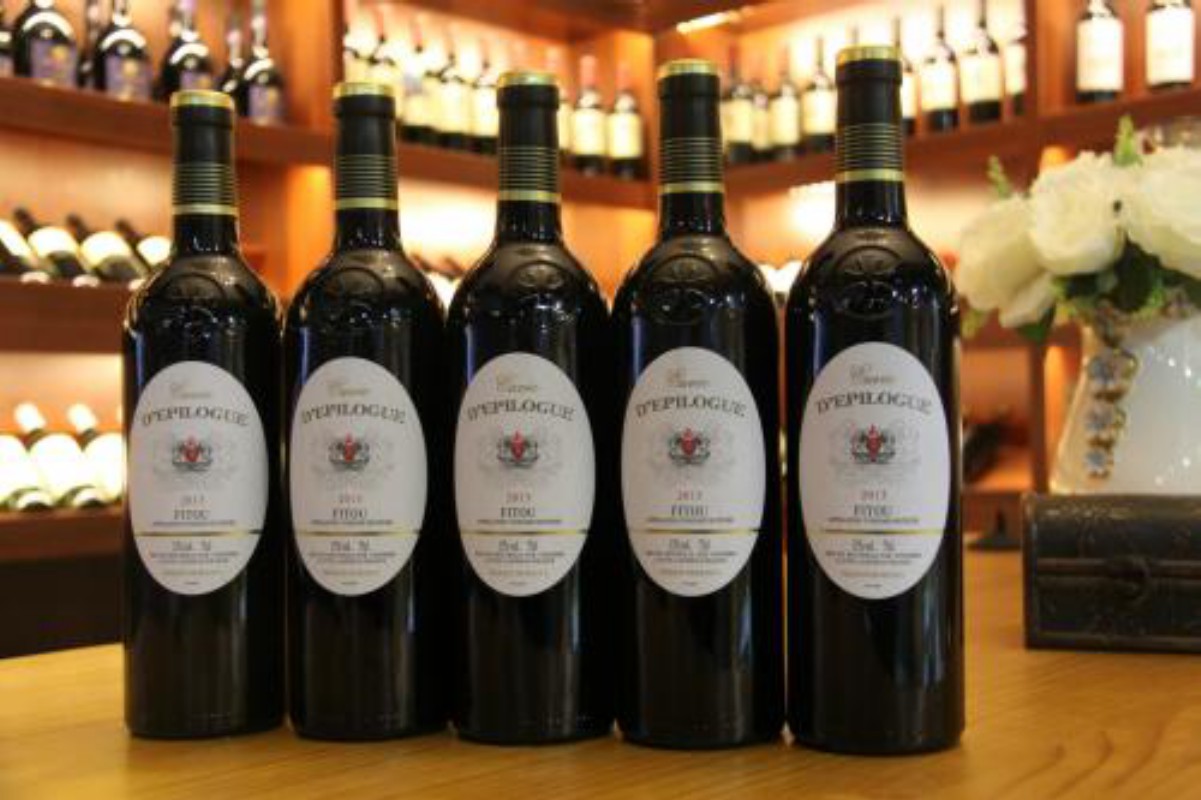
I chose franchising over importing myself, mainly considering risk control and expertise. Franchisors typically have established stable supply chains, making it safer for those new to authentic Spanish wine entrepreneurship.
Franchise Brand Selection Criteria
After several months of investigation, I’ve summarized key factors for choosing franchise brands:
| Consideration Factor | Importance Level | Notes |
|---|
| Brand Recognition | High | Affects customer trust |
| Product Quality | Extremely High | Directly relates to repeat purchases |
| Pricing System | High | Determines profit margins |
| Training Support | Medium | Very important for beginners |
| Territory Protection | Medium | Avoids unfair competition |
Most importantly, you must visit suppliers’ wineries and storage facilities in person to ensure authenticity and stability of supply sources. I specifically visited three different wineries, tasted dozens of wines, and finally chose a franchisor with a comprehensive logistics center in Barcelona.
Challenges in Actual Operations
After opening, I discovered that ideals are full, but reality is harsh. The biggest challenge is customer education. Many people don’t know enough about Spanish wines and need time to understand regional characteristics, grape varieties, and other professional knowledge about authentic Spanish imported wine.
Inventory management is also a technical skill. Although wine has a long shelf life, different price-point wines have vastly different turnover rates. I recommend beginners start with mid-to-low price wines and gradually add premium products.
Advice for Newcomers
If you want to try this industry, my advice is to start small-scale. You don’t need to rent a large storefront initially; consider combining online and offline models. Social media marketing is particularly important in this industry - learn to showcase products with images and stories.
Patience is crucial. Wine business isn’t fast-moving consumer goods; it takes time to build a customer base. But once trust relationships are established, customer loyalty is usually high, which is the charm of this industry.
