Recently I discovered a red wine from Mer Estate at a local wine merchant, and after tasting it, I found it quite impressive. I’d like to share the story of this premium Spanish winery with you. As a wine enthusiast who has lived in Spain for many years, I’ve always been interested in local wineries, and Mer Estate is definitely worth exploring in depth, especially when considering [Spanish red wine estate prices].
Estate History and Geographical Advantages
Mer Estate is located in Spain’s renowned wine region, boasting over a century of winemaking history. The estate sits on moderately elevated hillsides, benefiting from the Mediterranean climate. Here in the region of Rioja red wine estates, the soil consists mainly of limestone and clay, providing ideal conditions for grape cultivation. The estate’s geographical location is exceptionally advantageous, receiving abundant sunlight during the day while enjoying cool mountain breezes at night. This diurnal temperature variation greatly benefits sugar accumulation and aroma development in the grapes.
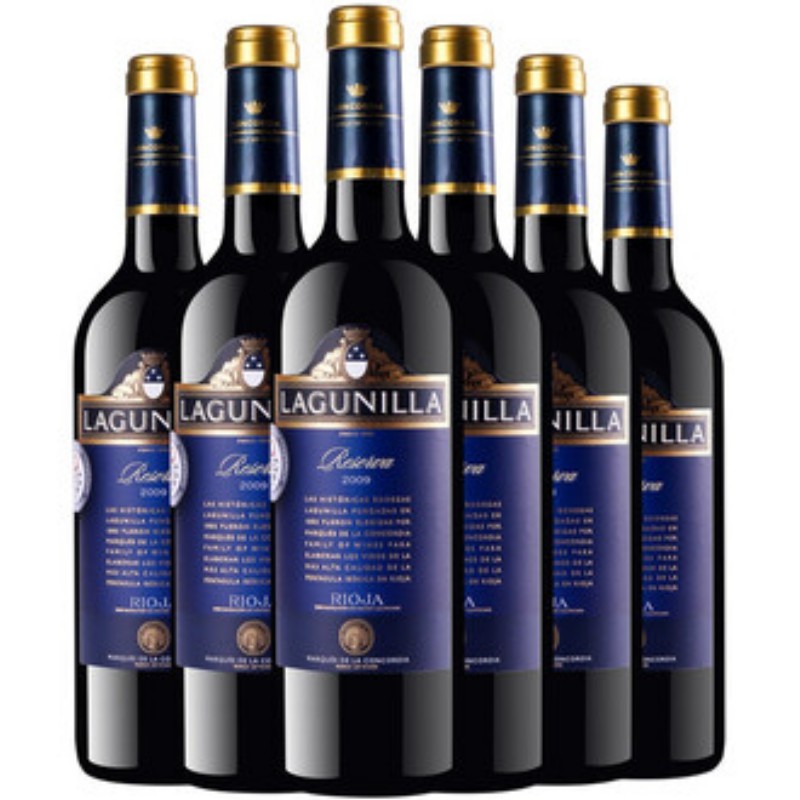
The winemaker employs a combination of traditional and modern methods, strictly controlling every production stage. From hand-harvesting grapes to carefully selecting oak barrels, each step reflects an unwavering commitment to quality. Particularly noteworthy is the estate’s insistence on using imported French oak barrels for aging, which adds complex and elegant aromatic layers to the red wine.
Main Grape Varieties and Winemaking Process
Mer Estate primarily cultivates classic Spanish grape varieties including Tempranillo, Garnacha, and Moscatel. Each variety has its unique characteristics and uses, with the winemaker adjusting proportions based on vintage and grape ripeness.
| Grape Variety | Characteristics | Proportion |
|---|
| Tempranillo | Rich fruit aroma, soft tannins | 60% |
| Garnacha | Full-bodied, deep color | 30% |
| Moscatel | Complex aroma, lingering finish | 10% |
During winemaking, the estate employs temperature-controlled fermentation to ensure optimal extraction of color and aromatic compounds from the grape juice. Fermentation temperature is strictly maintained between 26-28°C, a range that maximally preserves the grapes’ original flavors. The subsequent malolactic fermentation process makes the wine more supple with a rounder mouthfeel.
Tasting Experience and Pairing Suggestions
The Mer Estate red wine I tasted displays a deep ruby red color with a medium to full body and rich aromatic layers. Initially, there are pronounced blackberry and cherry aromas, which gradually reveal vanilla, tobacco, and subtle spice notes as the wine breathes. On the palate, it offers intense fruit flavors with well-structured but not harsh tannins, balanced acidity, and a persistent finish.
For food pairings, I personally recommend this wine pairs exceptionally well with roasted lamb, Iberian ham, or aged cheeses. While traditional Spanish paella is usually paired with white wine, this red wine’s fruitiness and moderate acidity can also beautifully balance seafood flavors. For home dining, try pairing it with a simple tomato beef stew - it’s an absolutely perfect combination.
Regarding collectible value, this wine, along with Ruyi Estate red wine, currently has reasonable market pricing with stable quality. I recommend cellaring for an additional 2-3 years after purchase to allow further integration of the wine components, which will enhance the drinking experience. However, even when opened now, it already displays quite excellent drinking condition.
