As a wine enthusiast who has lived in Spain for many years, I have always held deep respect for the royal estate wines that carry aristocratic heritage on this land. Today I want to share some insights about Spanish royal estate wines, hoping to help fellow wine lovers better understand this fascinating topic, including [Spanish wine estate prices] and Rioja wine estates.
Historical Royal Heritage
The history of Spanish royal estate wines can be traced back to medieval times, when noble families began cultivating grapes and producing wines on their territories. These estates were not merely winemaking facilities, but symbols of power and status. Many estates still maintain traditional winemaking techniques while incorporating modern technology, creating unique flavor profiles.
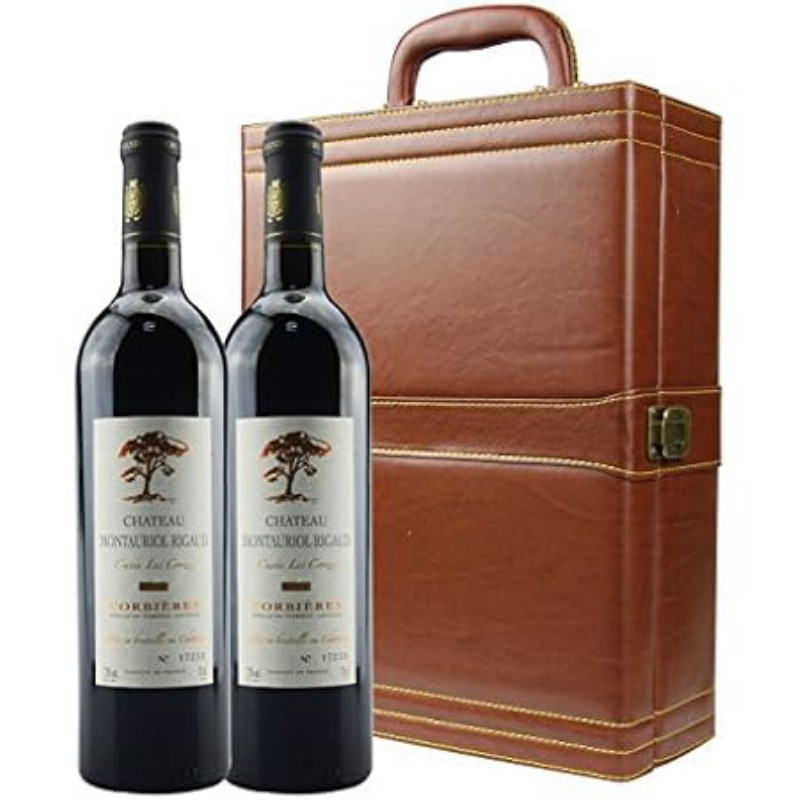
It’s worth noting that these royal estates typically possess exceptional geographical locations and climate conditions. From the northern Rioja region to southern Andalusia, each estate has unique soil structures and microclimates that directly influence grape growth and final wine quality. Particularly those estates located at higher altitudes benefit from significant day-night temperature variations, which promote sugar accumulation and acidity retention in grapes.
Main Regional Distribution Characteristics
| Region Name | Main Grape Varieties | Wine Body Characteristics |
|---|
| Rioja | Tempranillo | Rich and Complex |
| Ribera | Tempranillo | Powerful and Strong |
| Priorat | Grenache | Strong Mineral Character |
Royal estates in these regions each have their distinctive features. Rioja estate wines are renowned for their elegance and balance, typically aged for extended periods in oak barrels, displaying complex spice and leather aromas. Meanwhile, Ribera del Duero estates focus more on showcasing the raw power of Tempranillo grapes, producing fuller-bodied wines.
Tasting Techniques and Collection Advice
For those wanting to taste Spanish royal estate wines, I recommend starting from several aspects. First is color observation - quality estate wines typically display deep ruby red colors that gradually turn brick red with age. Second is aroma assessment, where you can detect complex scents of red berries, vanilla, and tobacco.
When tasting, pay attention to the wine’s balance and finish length. Cheap wines often lack complexity, while authentic royal estate wines reveal rich variations in the mouth, from initial fruit flavors to mid-palate spice notes, concluding with mineral undertones - each stage offers different experiences.
Purchase Channels and Price Reference
Purchasing these estate wines in Spain is relatively straightforward, with main channels including direct winery sales, specialized wine shops, and premium wine sections in large supermarkets. Price-wise, entry-level estate wines range from 20-50 euros, while special vintage or limited edition wines may cost several hundred euros.
I recommend beginners start with some well-known estates like Marques de Riscal or Vega Sicilia. These estates not only have profound historical foundations but also maintain relatively stable product quality, making them ideal entry points for understanding Spanish royal estate wines. Whether for personal enjoyment or as gifts, they represent excellent choices, much like the highly regarded Ruyi Estate wines from the Rioja region.
