Recently at a winery tasting event in Madrid, I had the pleasure of sampling several Rose Estate red wines from the Rioja region, and their rich layered flavors remain unforgettable to this day. As a wine enthusiast who has lived in Spain for many years, I’d like to share some insights about this brand, including details about [Spanish wine estate prices] and investment opportunities.
Historical Background of Rose Estate
Rose Estate is located in the Rioja Alta region, where the climate conditions are exceptionally favorable for viticulture. This area is home to many Rioja red wine estates that have been passed down through generations. The estate was founded in 1920 and has been maintained by four generations of the same family, preserving traditional winemaking methods to this day. The estate covers approximately 180 hectares, with vineyard area reaching 120 hectares, primarily cultivating native varieties such as Tempranillo, Graciano, and Mazuelo.
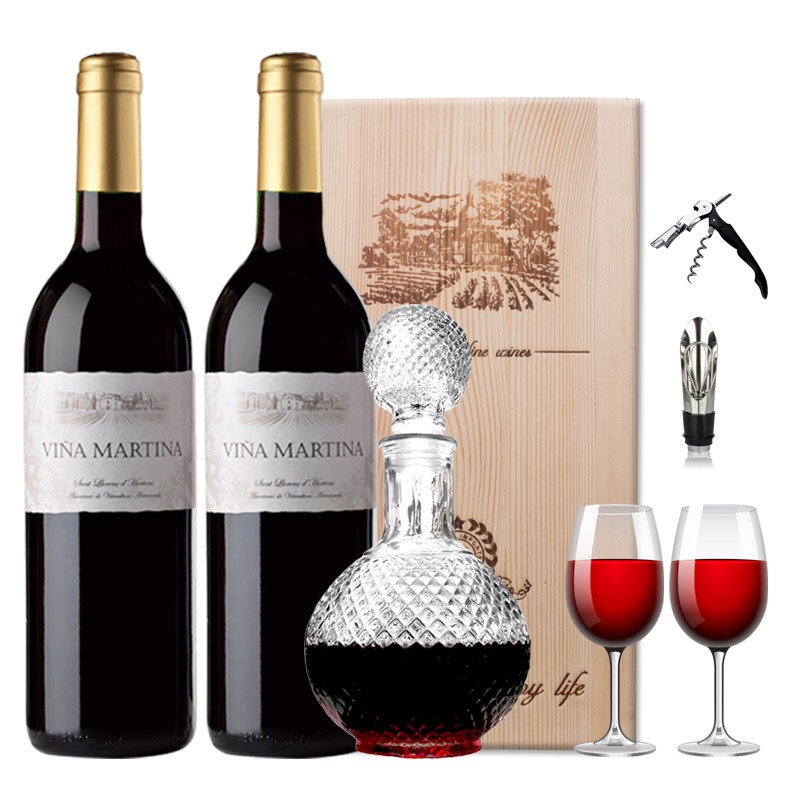
Unique Aspects of the Winemaking Process
What impressed me most about this estate is their commitment to traditional techniques. The winemaker explained that they still use concrete fermentation tanks for primary fermentation, then transfer to French oak barrels for aging. Unlike many modern wineries, Rose Estate typically uses oak barrels for over 15 months, allowing better extraction of oak flavors while avoiding excessive tannins.
Product Series Comparison
Based on my tasting experience, Rose Estate has three series worth recommending:
| Series Name | Aging Time | Price Range (€) | Recommendation |
|---|
| Classic Series | 12-18 months | 15-25 | ★★★★☆ |
| Reserve Series | 24-30 months | 35-50 | ★★★★★ |
| Gran Reserva | 36+ months | 65-90 | ★★★★★ |
Tasting Experience Insights
The Classic Series is perfect for daily consumption, with intense fruit aromas and smooth tannins that pair excellently with traditional Spanish cuisine. My personal favorite is the 2018 vintage from the Reserve Series - after decanting for 30 minutes, it releases aromas of blackberry, vanilla, and subtle leather notes. Although slightly pricier, the value for money is genuinely excellent.
The Gran Reserva series is more suitable for special occasions, with complex aromatic layers that require careful appreciation. Last month during a friend’s gathering, we opened a 2015 Gran Reserva, and that elegant mouthfeel refined by time earned praise from everyone present. Paired with Iberian ham or aged Manchego cheese, it’s simply a match made in heaven.
As part of life in Spain, wine is not merely a beverage but an embodiment of culture. Rose Estate wines excellently interpret the terroir characteristics of the Rioja region. Whether enjoyed alone or shared with friends, they provide an exceptional experience. For those interested in exploring Spanish wine culture further, you might also want to learn about Ruyi Estate Spanish wines, which offer outstanding value from the same region. Have any of you tried similar Spanish wines? I’d love to hear your experiences.
