As a wine enthusiast who has lived in Spain for many years, I’d like to share insights about the real situation regarding premium Spanish winery prices. In recent years, Spanish wines have continuously elevated their position in the international market, with prices experiencing significant changes.
Rioja Region Price Overview
As Spain’s most renowned wine region, Rioja’s premium wineries have always attracted price attention. Take Marqués de Riscal as an example - their Gran Reserva series typically ranges from 45-65 euros at local wine merchants, while limited editions can reach over 100 euros. Bodegas Muga’s Prado Enea Gran Reserva maintains relatively stable pricing, usually within the 55-75 euro range.
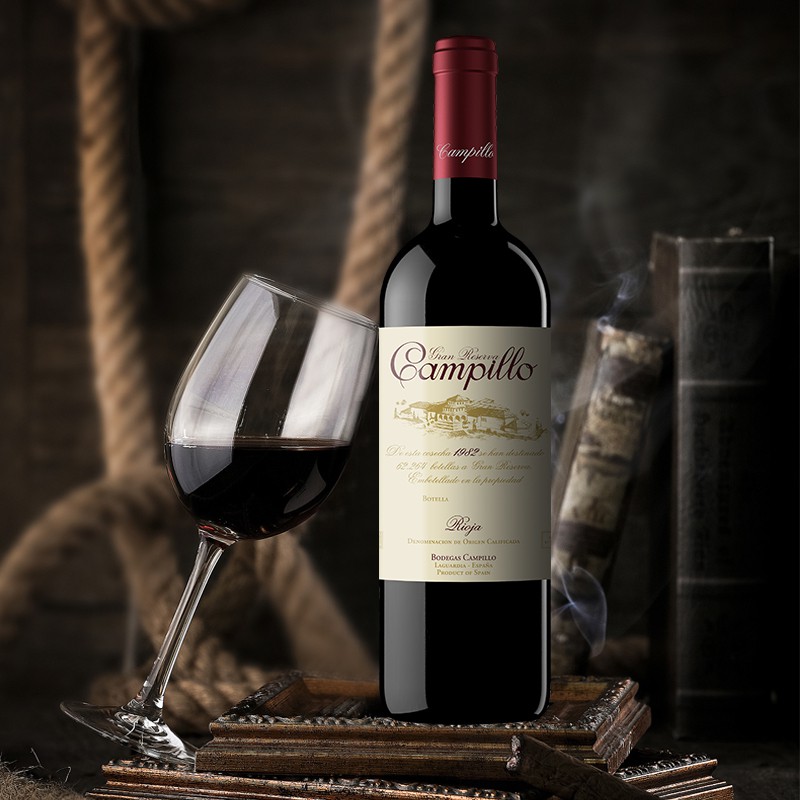
Price differences for the same wine across different sales channels can reach 20-30%. Direct winery sales typically offer the most favorable prices, while high-end restaurants may charge 2-3 times the retail price. For detailed information about winery visit costs, consider exploring local tour options.
Ribera del Duero vs Other Regional Comparisons
| Region | Representative Winery | Price Range | Characteristics |
|---|
| Ribera del Duero | Vega Sicilia | 150-400 | Spain’s most expensive |
| Priorat | Alvaro Palacios | 80-200 | High international recognition |
| Toro | Numanthia | 40-120 | Excellent value |
| Jumilla | Casa Castillo | 25-60 | Emerging region |
Vega Sicilia’s Único series represents the crown jewel of Spanish wines, with prices rising approximately 30% over the past five years. This is primarily due to increased international market demand and limited production. Many century-old wineries have seen similar price appreciation.
Price Influencing Factors Analysis
Multiple factors influence premium Spanish winery prices. Vintage years play a crucial role - 2010, 2014, and 2016 are considered exceptional recent vintages, with wines from these years commanding premium pricing. International ratings also directly impact prices, with high Parker scores or Wine Spectator ratings driving significant price increases.
From an investment perspective, Spanish wines still offer considerable appreciation potential compared to French estates. Top-tier wines like Pingus and L’Ermita have achieved average annual growth exceeding 8% over the past decade, showing impressive performance.
Purchase Recommendations and Market Trends
For average consumers, I recommend focusing on value-oriented premium wineries. For instance, Artadi’s Viñas de Gainza, priced between 35-50 euros, offers quality comparable to more expensive options. Additionally, don’t blindly pursue high prices - many mid-priced Gran Reserva wines possess excellent aging potential.
Regarding market trends, Spanish organic and biodynamic wineries are gaining momentum, with these producers showing faster price growth than traditional wineries. Over the next 3-5 years, premium Spanish wine prices are expected to continue rising, though the rate may moderate. For comprehensive information, visit century-old winery websites for detailed pricing updates.
