Overall Quality Standards of Spanish DO-Level Red Wines
As a traditional European wine-producing country, Spain’s DO-level red wines enjoy a solid reputation in the international market. DO is an important classification level in the Spanish wine grading system, equivalent to France’s AOC system. From my personal tasting experience, Spanish DO-level red wines generally exhibit rich fruit aromas and moderate tannin structure, offering relatively high value for money.
Comparison of Main Regional Characteristics
Each Spanish DO region has its own distinctive features. Here’s a comparison of several renowned regions:
| Region Name | Main Grape Varieties | Style Characteristics | Price Range |
|---|
| Rioja | Tempranillo | Elegant and balanced | €15-50 |
| Ribera del Duero | Tempranillo | Rich and full-bodied | €12-40 |
| Priorat | Grenache, Carignan | Strong mineral character | €20-80 |
| Jumilla | Monastrell | Fruit-forward | €8-25 |
Quality Characteristics and Winemaking Techniques
DO-level red wines must adhere to strict quality standards during production. Most wineries employ traditional oak barrel aging techniques, which impart complex aromatic layers to the wines. From a taste perspective, Spanish DO red wines typically display the following characteristics: rich fruit aromas, moderate acidity, smooth tannins, with an overall style leaning toward approachability.
Compared to equivalent-grade wines from other countries, the advantage of Spanish DO red wines lies in the perfect combination of traditional craftsmanship and modern technology. Many wineries maintain traditional winemaking methods while actively incorporating modern equipment to enhance wine quality.
Purchasing Recommendations and Value Analysis
For those new to Spanish red wines, I recommend starting with young wines from the Rioja region. These wines typically fall within the €10-20 price range, offer stable quality, and are easy to appreciate. If your budget allows, consider aged wines with longer maturation periods such as Reserva or Gran Reserva classifications.
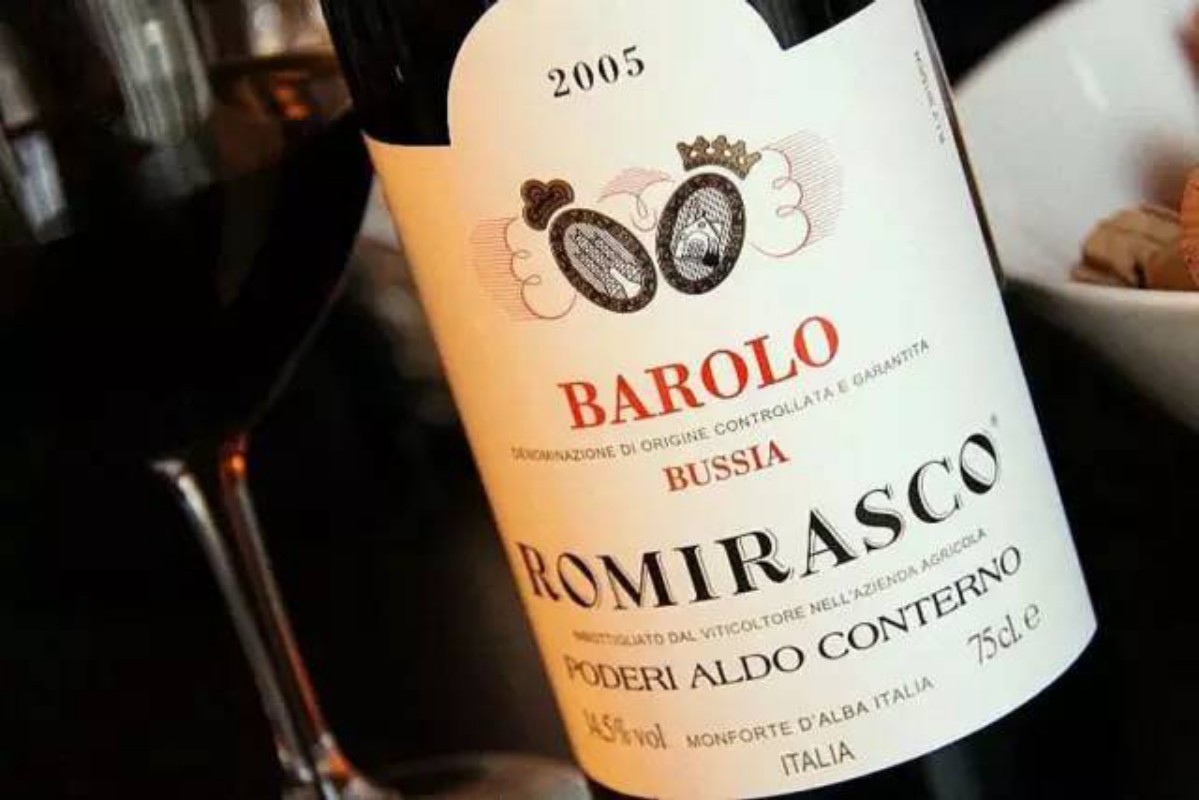
When purchasing, pay attention to the DO certification mark on the label, avoiding products with unclear labeling. DO-level red wines sold through legitimate channels will clearly indicate regional information and vintage on their labels, which serves as an important quality guarantee. Overall, Spanish DO-level red wines offer high value for money within their price categories and are worth trying for wine enthusiasts.
