As a wine enthusiast who has lived in Spain for many years, I’ve noticed that many friends don’t fully understand the Spanish DOC wine classification system. Today I’ll discuss this topic in detail, including [DO-grade wines], hoping to help everyone avoid pitfalls when selecting wines.
Overview of Spanish Wine Classification System
Spain’s wine classification system is quite rigorous, divided into four main levels from lowest to highest. The most basic is table wine, followed by regional wine, then designated origin wine, and the highest level is qualified designated origin wine. This system ensures quality assurance for wines at different price points.
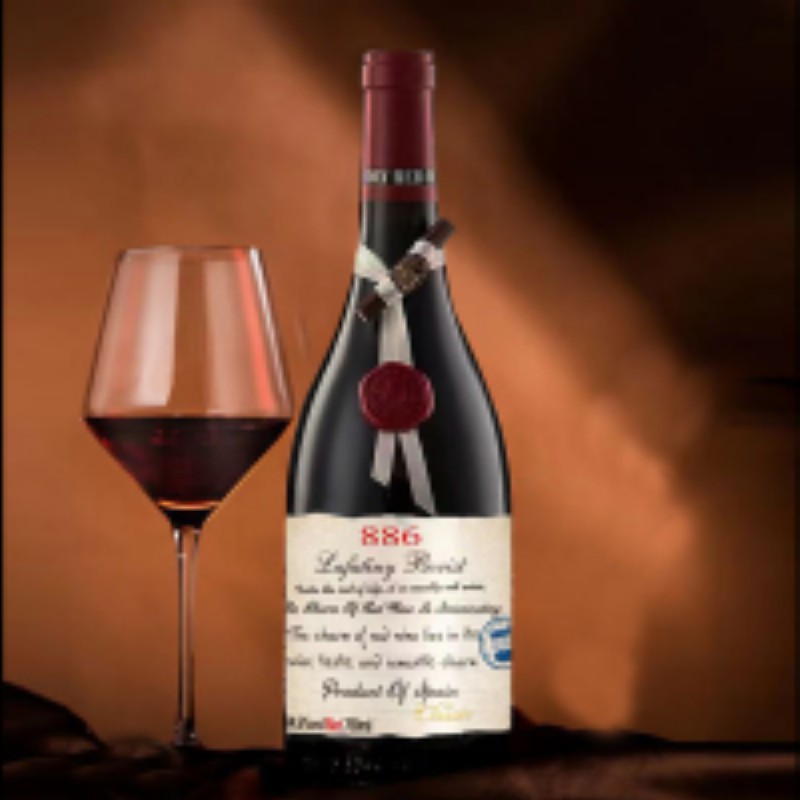
In daily purchases, we most commonly encounter DO-level red wines. DO stands for Denominación de Origen, similar to France’s AOC system, with strict regulations on regions, grape varieties, and winemaking processes. Currently, Spain has over 70 DO regions, each with its unique terroir characteristics.
Importance of Aging Classifications
Besides regional classification, Spanish red wines have a very important aging classification system. This system is mainly divided into four levels: Joven, Crianza, Reserva, and Gran Reserva. Each level has clear requirements for oak barrel aging and bottle aging time.
| Level | Minimum Aging Time | Oak Barrel Requirement | Bottle Aging |
|---|
| Joven | No requirement | Optional | Optional |
| Crianza | 24 months | At least 6 months | Remaining time |
| Reserva | 36 months | At least 12 months | Remaining time |
| Gran Reserva | 60 months | At least 18 months | At least 24 months |
From actual tasting experience, price does reflect quality differences, but the best value for money is often at the Crianza level. Wines at this level have complexity from oak barrels while remaining relatively affordable, making them perfect for daily consumption.
Purchasing Recommendations and Personal Insights
In Spanish supermarkets, you’ll find that the same winery may produce multiple levels of red wine simultaneously. My recommendation is to start with Crianza from renowned regions, such as products from Rioja or Ribera del Duero. Wines from these regions have stable quality, and even entry-level Crianza performs well.
For special occasions or collecting needs, considering [Spanish red wine ladoto], Reserva and Gran Reserva are certainly better choices. However, note that these high-level wines usually require decanting, and Spanish DO-grade red wine taste is best enjoyed at appropriate temperatures. My personal experience is that Gran Reserva level wines should be opened 2-3 hours in advance to let them breathe fully, which allows them to show their optimal condition.
