DOC319 Spanish Wine Region In-Depth Exploration Guide
Recently at a professional winery tasting event in Madrid, I encountered Spanish wines bearing the DOC319 designation. As a wine enthusiast who has lived on the Iberian Peninsula for many years and is familiar with [DO-grade wines], I’d like to share some practical information about this category of Spanish wines. Spain’s wine industry has a rich history, from northern Rioja to central La Mancha, with each region offering its unique terroir characteristics.
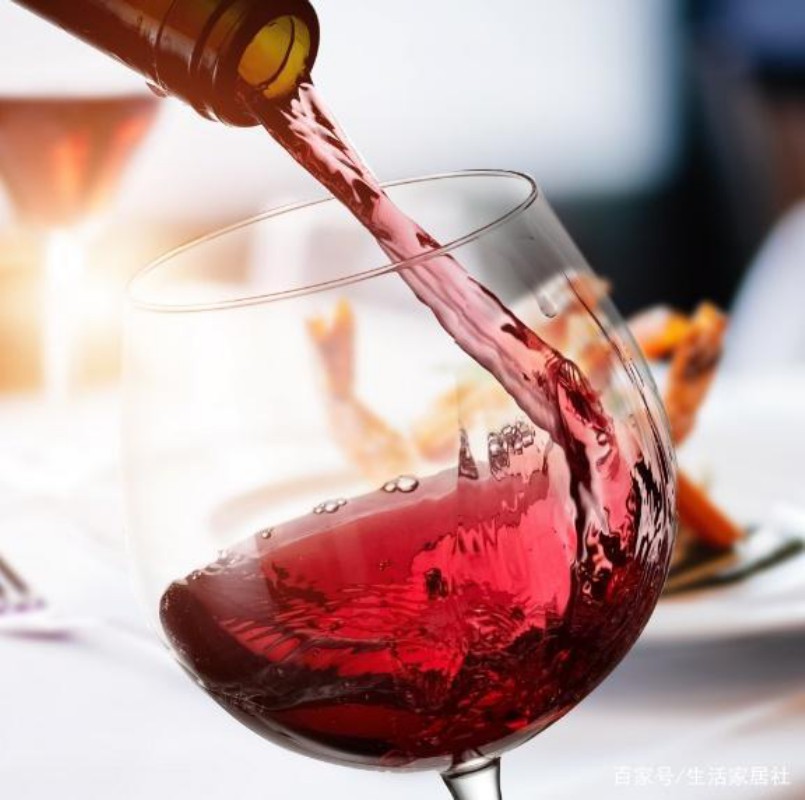
Main Regional Distribution and Characteristics
Spain’s wine regions are arguably among the most diverse in Europe. Rioja, as the most renowned region, primarily uses Tempranillo grapes to produce wines typically featuring rich fruit aromas and moderate tannins. Meanwhile, Ribera del Duero is known for its more robust style, where wines often have higher alcohol content and fuller body.
| Region Name | Main Grape Varieties | Style Characteristics | Food Pairing |
|---|
| Rioja | Tempranillo, Garnacha | Elegant Balance | Grilled Meat, Cheese |
| Ribera del Duero | Tempranillo | Rich and Robust | Steak, Game |
| Priorat | Garnacha, Carinena | Strong Minerality | Seafood, White Meat |
Tasting Techniques and Purchasing Recommendations
For Spanish wines with designations like [Spanish wine Ladoto] DOC319, I recommend paying attention to several key factors when purchasing. First is the vintage - while Spain’s climate is relatively stable, different years still show notable variations. 2018 and 2019 are considered excellent recent vintages, with wines from these years typically offering better balance and aging potential.
During tasting, start by observing the wine’s color depth - quality Spanish wines usually display deep ruby or garnet red hues. After swirling, the aroma should reveal red berry fruits, vanilla, and toasted notes from oak aging. When tasting, pay attention to the balance of acidity, tannins, and alcohol content - good Spanish wines won’t have any overly dominant elements.
Food Pairing and Serving Temperature
One of the charms of Spanish wines is their perfect pairing with local cuisine. Traditional Iberian ham, roast suckling pig, and various cheeses are classic combinations. For wines like [Spanish DOC wine grades] DOC319, I personally recommend pairing with strong-flavored seafood moderate-intensity meat dishes, such as grilled lamb chops or braised beef.
Serving temperature is also crucial - Spanish red wines typically perform best at 16-18°C. Too low temperatures suppress aroma release, while too high temperatures make the alcohol too prominent. I suggest removing the bottle from storage an hour in advance, allowing the wine to naturally reach the optimal serving temperature.
