As a wine enthusiast who has lived in Spain for several years, I’ve noticed many friends aren’t fully familiar with Spain’s wine classification system. Today I’d like to share my understanding of the Spanish wine grading hierarchy, hoping to help everyone make more informed purchasing decisions.
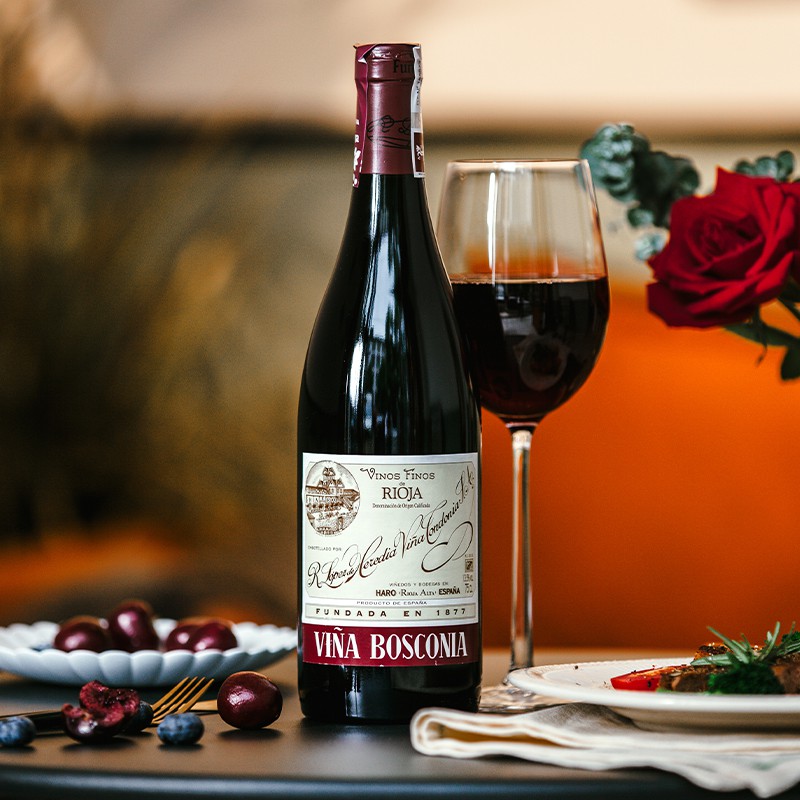
Spain’s wine classification system is relatively comprehensive, divided into four main levels. The highest level is DOCa, which represents the supreme honor in Spanish wine. Currently, only two regions have achieved this certification: Rioja and Priorat. DOCa-level wines undergo extremely strict quality control, with detailed regulations covering everything from grape cultivation to winemaking processes, as outlined in Spanish wine region classifications.
The second level is DO, equivalent to France’s AOC classification. DO level encompasses most of Spain’s renowned wine regions, including Ribera del Duero, Toro, and Jumilla. These regions possess unique terroir conditions and traditional winemaking techniques, producing wines with consistent quality and typically excellent value.
Mid and Entry-Level Classifications
The third level is IGP, formerly known as VdlT. This classification allows winemakers greater creative freedom, permitting more diverse grape varieties and winemaking techniques. While not as prestigious as DO, many IGP-level wines deliver impressive performance at relatively accessible prices.
The basic level is Vino de Mesa, the most common wine grade. However, this classification has now been replaced by VdE, representing basic-level wines produced within Spain.
| Level | Full Name | Characteristics |
|---|
| DOCa | Denominación de Origen Calificada | Highest level, only 2 regions |
| DO | Denominación de Origen | Major quality regions |
| IGP | Indicación Geográfica Protegida | Protected geographical indication |
| VdE | Vino de España | Basic table wine |
Beyond these official classifications covered in the [Spanish wine level indicators], Spanish wines also feature traditional aging classifications: Joven, Crianza, Reserva, Gran Reserva. These aging classifications operate independently from regional designations, so a DO-level wine can simultaneously carry a Reserva designation.
Spain’s wine classification system provides consumers with excellent quality references, as detailed in this [Spanish wine classification guide]. For everyday consumers, I personally recommend prioritizing DO-level wines, which offer guaranteed quality at reasonable prices. For those seeking premium experiences, DOCa-level wines from Rioja and Priorat are absolutely worth trying.
