Spanish Wine Classification Labels Explained
As a wine enthusiast who has lived in Spain for many years, I’m frequently asked by friends how to identify the quality levels of Spanish wines. Today I’ll provide a detailed discussion of Spain’s wine classification system, hoping to help everyone make more informed purchasing decisions.
Overview of Spanish Wine Classification System
Spain’s wine classification system is relatively comprehensive, divided into four main levels. From highest to lowest grade: DOCa, DO, VdlT, and Vino de Mesa. This system ensures that wines from different regions and quality levels have clear identification.
Premium DOCa Certification Analysis
DOCa represents the highest level of Spanish wine classification. Currently, only Rioja and Priorat regions have achieved this certification for Spanish wine region classifications. DOCa level wines must undergo strict quality control, including grape variety restrictions, yield limitations, aging requirements, and multiple other standards. On wine labels, you’ll see prominent DOCa lettering and corresponding certification marks.
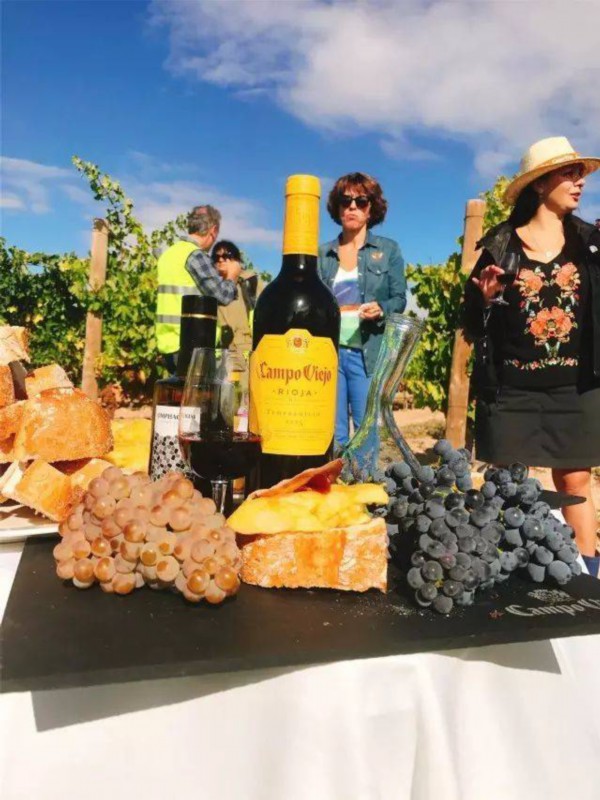
Rioja DOCa wines typically use Tempranillo as the primary grape variety in their [Spanish wine classification system], offering rich flavors with excellent aging potential. Priorat focuses on Grenache and Carignan, producing more intense and powerful wines.
DO Level Wine Characteristics
DO level represents the main classification for Spanish wines, covering most quality regions throughout the country. Each DO region has its own regulatory council establishing specific production standards and quality requirements. When selecting DO level wines, it’s advisable to focus on specific regional characteristics.
| Notable DO Regions | Main Grape Varieties | Style Characteristics |
|---|
| Ribera del Duero | Tempranillo | Powerful structure, rich tannins |
| La Mancha | Tempranillo, Bobal | Intense fruit flavors, affordable pricing |
| Jumilla | Tempranillo | Elegant finesse, well-balanced |
| Montsant | Grenache | Soft palate, suitable for daily drinking |
Purchasing Recommendations and Important Notes
When making actual purchases, beyond considering [Spanish wine classification pricing] and classification labels, pay attention to other label information. Vintage year, alcohol content, and specific regional location are all important references for quality assessment. Although VdlT level has lower classification, certain small-region VdlT wines offer excellent value, particularly suitable for everyday meal pairing.
Finally, I’d like to remind everyone that Spanish wine aging designations are also important: Joven, Crianza, Reserva, Gran Reserva represent different aging periods and quality levels. Don’t be misled by fancy packaging - recognizing official certification marks is key.
