Complete Analysis of Spanish Red Wine VOC Classification System
Spanish red wine regional classifications
As a red wine enthusiast who has lived in Spain for many years, I’d like to share my understanding of Spain’s wine classification system with fellow wine lovers. Many friends get confused by various labels when purchasing Spanish red wines, so today let’s dive deep into what this VOC classification system is all about, including the [Spanish wine grade labels complete guide].
Basic Classification System Overview
Spanish red wine classification consists of four main levels, from lowest to highest: Vino de Mesa, IGP, DO, and DOCa. This system draws inspiration from France’s AOC system while incorporating Spain’s unique characteristics.
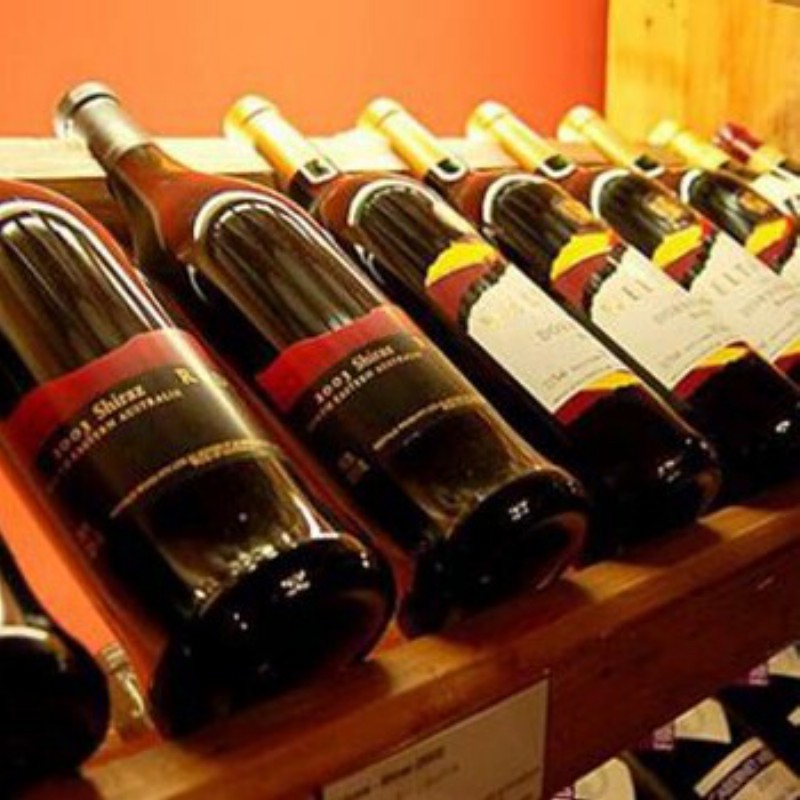
Detailed Comparison of Classification Levels
| Grade | Characteristics | Price Range | Suitable Occasions |
|---|
| Vino de Mesa | No regional restrictions, basic quality | €3-8 | Daily consumption |
| IGP | Regional identity, stable quality | €8-15 | Social gatherings |
| DO | Strict regional control, excellent quality | €15-50 | Formal dinners |
| DOCa | Premium quality, prestigious reputation | €50+ | Special occasions |
In my purchasing experience, DO-level red wines offer the best value, providing quality assurance at reasonable prices. For instance, DO wines from Rioja and Ribera del Duero typically offer excellent products in the €20-30 range.
Importance of Vintage Labels
Beyond the basic [Spanish red wine classification], Spanish wines also feature a vintage labeling system: Joven, Crianza, Reserva, and Gran Reserva. These labels indicate aging time and quality level. Generally, Reserva wines require at least 12 months of oak barrel aging with a total aging period of no less than 36 months.
Purchasing Tips and Practical Advice
Based on my experience, several key points should be considered when selecting Spanish red wines. First, check regional labels - Rioja and Ribera del Duero are the most renowned regions. Second, pay attention to vintages; years like 2016 and 2018 generally offer superior quality. Finally, don’t overlook excessively cheap products - while affordable, they often compromise on quality.
For newcomers to Spanish red wines, I recommend starting with DO-level Crianza wines. This combination allows you to experience Spanish wine characteristics without straining your budget. You can find excellent selections at local supermarkets like El Corte Inglés or specialized wineries.
