Overview of Spanish Wine Classification System
As the world’s third-largest wine producer, Spain has established a comprehensive wine classification system. Many newcomers to Spain often feel overwhelmed when facing the wide selection of wines in supermarkets, unsure of how to choose. Today, let’s explore in detail the Spanish wine grading system with insights from Spanish wine region classifications.
Spanish wines are primarily classified into four levels: Vino de Mesa, Vino de la Tierra, Denominación de Origen, and Denominación de Origen Calificada. This classification system not only ensures wine quality but also provides clear purchasing guidance for consumers, as detailed in the [Spanish wine grade labeling guide].
Detailed Basic Classification
| Grade | Spanish Name | Quality Characteristics | Price Range |
|---|
| Table Wine | Vino de Mesa | Daily drinking, no regional restrictions | 2-5 euros |
| Regional Wine | Vino de la Tierra | Regional identity, slightly higher quality | 4-8 euros |
| Designated Origin | DO | Strict regional control, quality assured | 6-20 euros |
| Qualified Designated Origin | DOCa | Highest grade, exceptional quality | 15-50+ euros |
Vino de Mesa is the most basic level, typically used for everyday table pairing. These wines have no strict regional restrictions, are affordably priced, and suitable for beginners. Vino de la Tierra adds regional identification to table wine, offering relatively more stable quality.
Aging Classification System
Beyond the regional [Spanish wine classification] system, Spanish wines feature a unique aging classification with four main levels: Joven, Crianza, Reserva, and Gran Reserva.
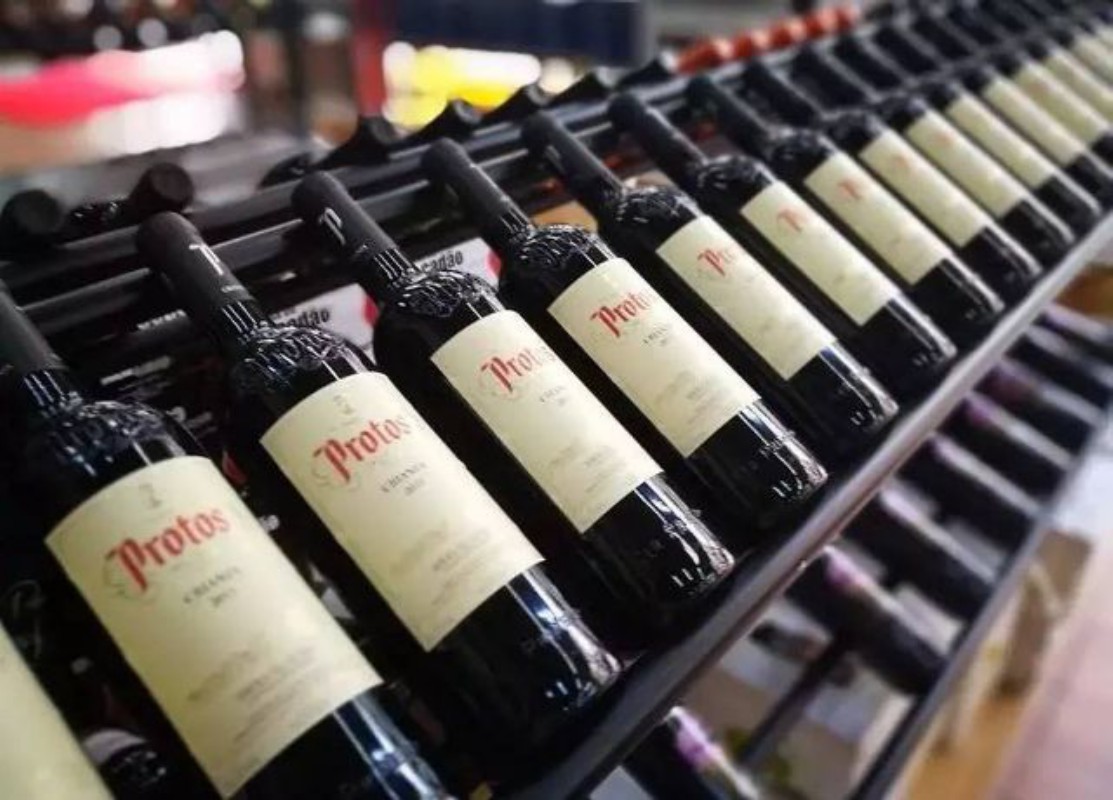
Joven refers to wines bottled in the same or following year, offering intense fruit aromas and fresh taste. Crianza requires at least 6 months of oak barrel aging with a minimum total aging period of 2 years, resulting in more complex and mellow flavors. Reserva demands at least 3 years of aging, including minimum 1 year in oak barrels, typically produced only in exceptional vintage years.
Gran Reserva represents the highest level, requiring minimum 5 years of aging with at least 18 months in oak barrels. These wines are rare and expensive but offer exceptional quality with excellent collectible value. In Spain’s high-end restaurants and wineries, Gran Reserva is often considered the crown jewel.
Practical Purchase Recommendations
For daily consumption, we recommend DO-level Crianza or Reserva wines for the best value. For special occasions or collecting, consider DOCa-level Gran Reserva. When purchasing, pay attention to aging information and regional designations on the label, as these are important quality indicators.
Red wines from famous Spanish regions like Rioja and Ribera del Duero offer excellent quality even at the basic Crianza level. Beginners should start with mid-priced wines from these renowned regions to gradually develop their wine tasting abilities.
