Complete Guide to Spanish Original Bottle Wine Barcode Identification
Recently I’ve been browsing several supermarkets in Madrid and noticed that there are increasingly more varieties of Spanish wines available, but with significant price differences. As a wine enthusiast who has lived in Spain for several years, I’d like to share some practical experience about identifying Spanish original bottle wine barcodes.
Basic Patterns of Spanish Wine Barcodes
Spanish original wines typically have barcodes starting with 84, which is Spain’s country code in the international barcode system. However, it’s important to note that not all barcodes starting with 84 represent Spanish original bottling, as some Spanish original imported wines imported to Spain and then repackaged may also Spanish original wine gift boxes use this prefix.
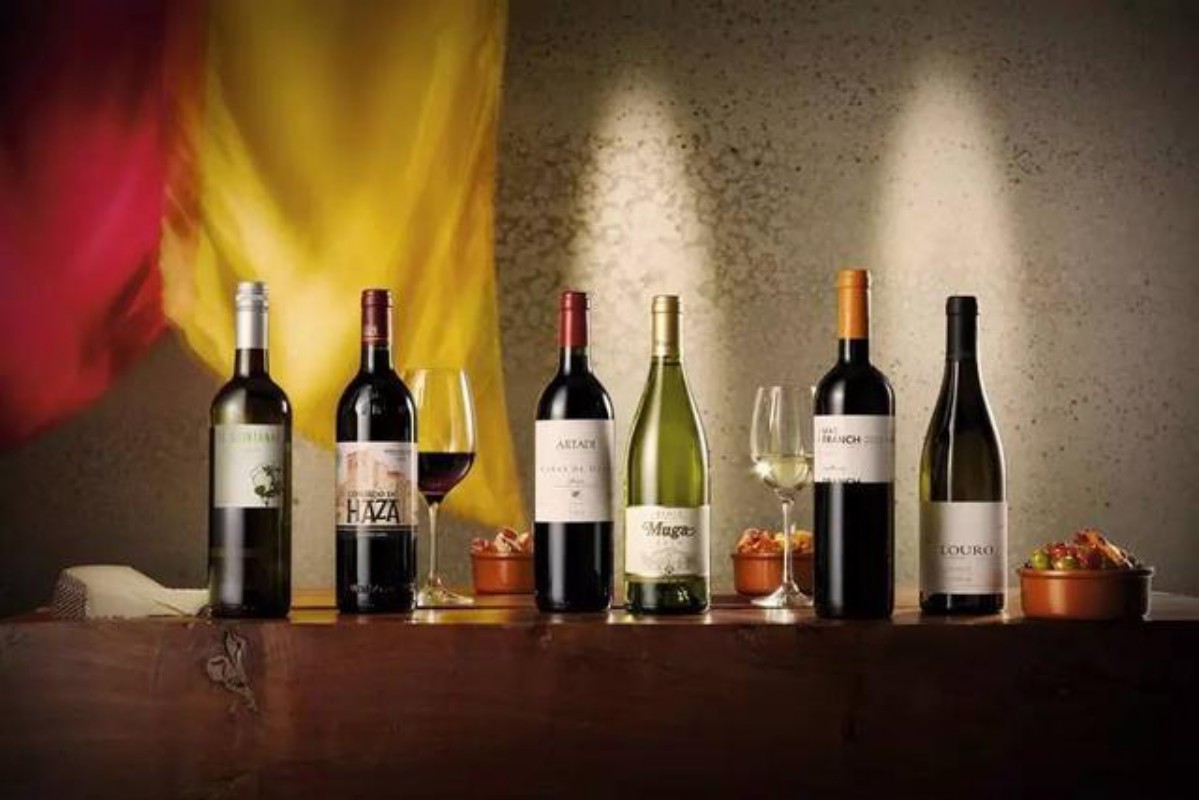
Authentic Spanish original bottle wines have additional detailed characteristics in their barcode design. For example, beneath the barcode you’ll usually find “Vino de España” or specific regional designations like “D.O. Rioja”, “D.O. Ribera del Duero”, etc. This information can help us further confirm the wine’s true origin.
Common Regional Barcode Characteristics Comparison
| Region Name | Barcode Features | Price Range |
|---|
| Rioja | 84 prefix + D.O. marking | 8-25 |
| Ribera del Duero | 84 prefix + certification label | 12-35 |
| Priorat | 84 prefix + special wax seal | 15-45 |
| La Mancha | 84 prefix + basic marking | 3-12 |
From my purchasing experience, excessively low-priced “Spanish wines” often have issues. For example, the so-called Rioja wines priced at 2-3 euros found in some Asian supermarkets, when verified through barcode scanning, are often found to be bottled in other countries.
Practical Barcode Verification Tips
When purchasing, you can download barcode scanning apps on your phone, such as “Barcode Scanner” or “ScanLife”. If after scanning, the Spanish original direct supply wines displayed producer information doesn’t match what’s on the wine label, you should be particularly cautious. Additionally, authentic Spanish wineries typically have their own websites where you can verify barcode information through their product pages.
I previously bought several fake Torres wines, but after learning these identification methods, I rarely get fooled anymore. Now I carefully check barcodes and labels before every purchase. Although it’s a bit troublesome, it ensures I buy authentic Spanish wines.
I hope this experience is helpful to everyone. If you have other questions about Spanish wine identification, feel free to discuss in the comments. After all, in Spain, this wine-producing country, learning to identify good wines is also a life skill.
