Overview of Spain’s DO Wine Classification System
As one of Europe’s major wine-producing countries, Spain has established a comprehensive wine classification system. DO, as an important grade within [DO-level wines], represents Designation of Origin protection, ensuring wine quality and regional authenticity. This system not only protects consumer rights but also maintains the reputation of each wine region.
Specific Requirements and Standards for DO Classification
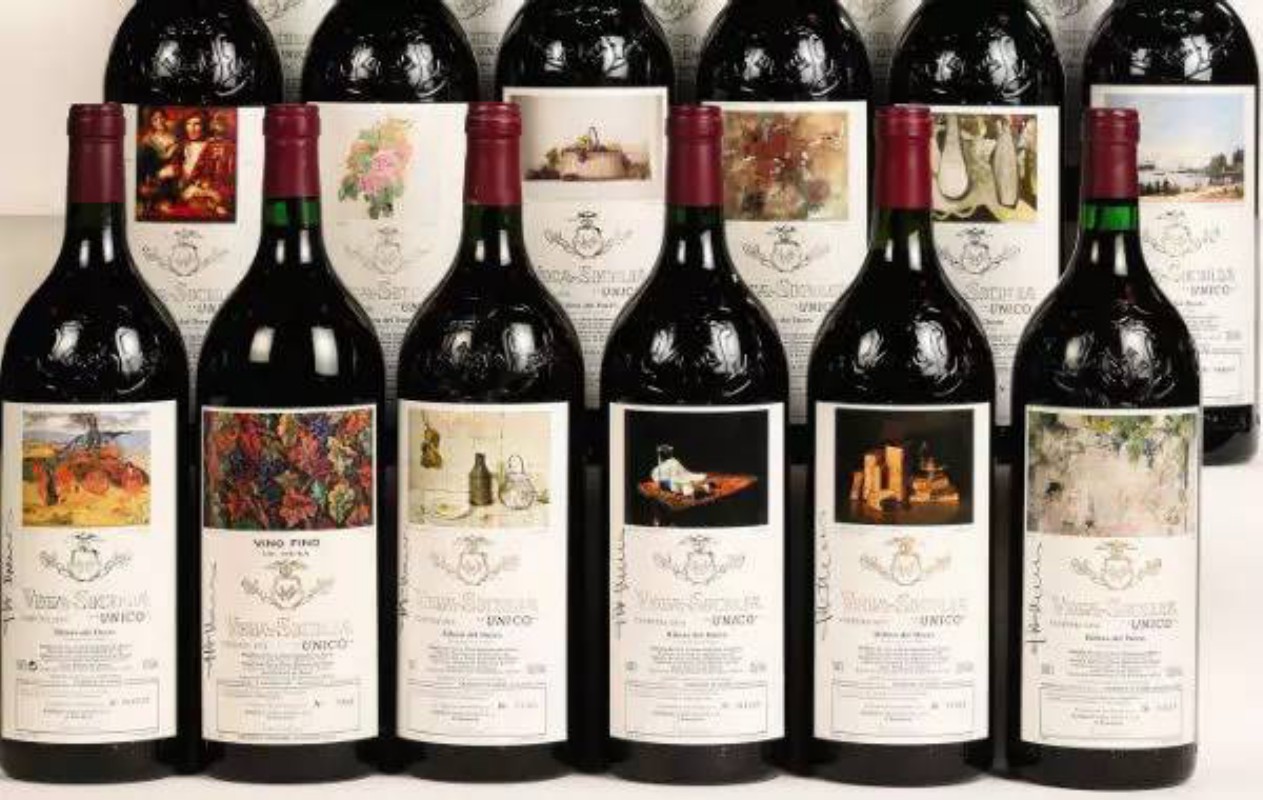
DO-level wines must meet strict production standards. First, grapes must be 100% sourced from designated regions, with no blending from other areas allowed. Second, winemaking processes must follow traditional methods, including specific requirements for fermentation time and aging periods. Finally, each bottle must pass quality testing by [Spanish wine Ladoto] official tasting committees.
| Testing Category | Standard Requirements | Testing Frequency |
|---|
| Alcohol Content | 11.5%-15% | Every batch |
| Acidity | 4.5-6.5g/L | Every batch |
| Sensory Evaluation | 80+ points | Random sampling |
Distribution of Major DO Regions
Spain currently has over 70 DO regions within [Spanish DOC wine classifications], with the most famous including Rioja, Ribera del Duero, and Priorat. The Rioja region primarily uses Tempranillo grapes, producing wines with elegant tannins and complex aromatic layers. People once considered Spanish wines of average quality, but DO-level wines now enjoy international recognition.
Each DO region has unique climate conditions and soil characteristics. For instance, the Ribera del Duero region is located at high altitude with significant day-night temperature variations, favoring grape sugar and aromatic compound accumulation. These natural differences create the distinctive styles of each region’s wines.
When purchasing DO wines, focus on regional information and vintage markings on the label. Authentic DO wines clearly display region names, alcohol content, and volume on their labels, with back labels typically featuring DO regulatory committee certification marks. Price-wise, DO wines usually cost 20-50% more than table wines, but offer better quality assurance, making them suitable for daily consumption and collection.
